Toshimaru Nakamura

Jazz
Free Jazz
Other Electronic Music
 Viberate Rank: 459864
 Viberate Rank: 459864
 Monthly ListenersFollowers
 Subscribers
 Followers
 Followers
 FansTop YouTube VideosMonthly ListenersFeatured in Playlists
| Playlist | Followers | |
|---|---|---|
1 |  🪐Floating Points Turntable🪐 Floating Points | 35.36K |
2 |  Late Night Tales: The Collection Late Night Tales | 32.82K |
3 |  NTS x Floating Points + Four Tet der_brummer | 4.07K |
4 |  MUCHA MÚSICA! tomás | 3.11K |
5 |  The Sound of Lowercase The Sounds of Spotify | 2.67K |
Audience| City | Monthly Listeners | |
|---|---|---|
1 |  | 40 |
2 |  | 23 |
3 |  | 17 |
4 |  | 16 |
5 | | 16 |
See full performance history, audience data, playlist activity, rankings, comparisons, and more in Viberate music analytics. Start with a free trial, then continue with a paid plan.
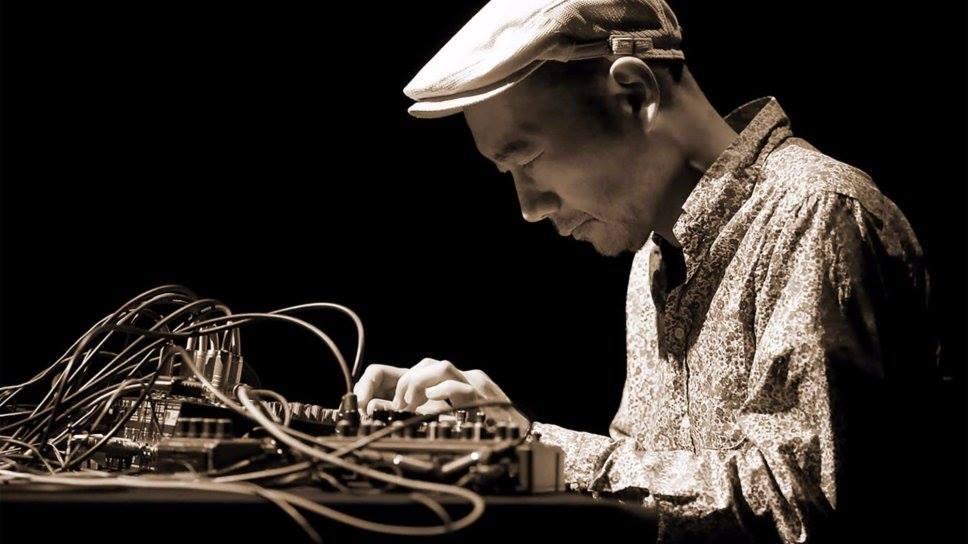
Toshimaru Nakamura’s Spotify BioToshimaru Nakamura belongs to a small group of Japanese improvisers who in the late '90s dropped whatever they were previously doing to develop a new minimalist music; free improvisation based on silence and tiny gestures. This scene was later dubbed "onkyo" and Nakamura became one of its leading figures, thanks to his regular participation to the improvised music meetings at Bar Aoyama and later at the gallery Off Site. His instrument of predilection is the "no-input mixing board," basically a mixing console wired so that it feeds back into its own input slots, producing feedback tones and miscellaneous sounds the artist loops and sculpts. He has released albums on small independent labels in Japan, Europe, and America.
Nakamura started his career in the early '90s as a guitarist in experimental rock groups. He formed his first group, A Paragon of Beauty, in 1992. Its only album, eponymous, came out three years later. In the meantime, he was also a member of Sadato's band and appeared… on 1992 (1992) and No More Reggae (1995). The guitarist's taste for textural sounds and avant-garde music already played an important part in his music. In 1996, he started a lasting collaboration with dancer Kim Ito for whom he composed works and designed sonic environments.
Regular visits to Berlin since 1994 led to a few collaborations, namely the duo Repeat with Jason Kahn, a drummer of American extraction established in Germany by then. Formed in 1997, the duo released its first album a year later. Kahn also involuntarily supplied the impetus for the first Improvisation: Meeting at Bar Aoyama. Nakamura, fixing up a concert for the drummer's visit to Tokyo, ended up booking the two of them plus Taku Sugimoto and Tetuzi Akiyama at the small club. The three Japanese musicians continued to perform there every month with guests, quickly building a new free improv esthetic from the ground up. Sugimoto was in the process of turning from a noise rock guitarist to post-minimalist reductionist. It is at that time, in 1998, that Nakamura abandoned the guitar altogether and found unheard sounds in his no-input mixing board. He used his new instrument on Repeat's subsequent albums and in a duet with Sachiko M. on a no-input sampler. Their CD Un (1999, on Meme) proposed a highly provoking form of music with its high-pitched tones and immateriality. It struck a chord in a few European musicians and by 2002 Nakamura had a number of duo performances out with the likes of Keith Rowe and Andrea Neumann. His first solo album, simply titled No-Input Mixing Board, came out in 2000. He was also featured on the landmark 2001 box set Improvised Music From Japan. ~ François Couture, Rovi
Viberate is a music analytics platform built for A&Rs, artist managers, labels, booking agents, marketers, and artists.
It helps music professionals track artist growth, analyze audience data, monitor playlist activity, compare artists, follow song performance, and identify opportunities across the music market.
Public artist pages provide a free preview of selected artist data. Paid plans provide access to deeper analytics, historical data, charts, comparisons, playlist tools, exports, alerts, reports, and additional professional features.
Yes. Public Viberate artist pages provide selected artist analytics and music data for free.
Viberate also offers a 7-day free trial of the full platform. A credit card is required to start the trial. The trial includes access to the complete product so users can test deeper artist analytics, historical views, playlist insights, comparisons, charts, exports, alerts, and reporting features before choosing a paid plan.
Viberate provides artist analytics across streaming, playlists, social media, video, radio airplay, songs, and audience markets.
Users can analyze Spotify performance, Spotify and Apple Music playlists, YouTube activity, TikTok and Instagram growth, radio spins, song performance, audience locations, demographics, rankings, and overall artist momentum.
Artist profiles also connect to music charts, similar artists, and comparison tools, helping users benchmark performance and evaluate artists in context.
Viberate updates key artist and track data daily.
For followed artists and tracks, selected data is refreshed multiple times per day. This helps teams monitor playlist changes, streaming movement, audience growth, releases, and campaign performance with more current data.
Update frequency can vary depending on the metric and data source.
Yes. Viberate lets users compare up to five artists side by side across streaming, social media, audience, and engagement metrics.
Users can compare fanbase growth, audience demographics, locations, Spotify performance, social metrics, and other artist data over selected time periods.
Artist comparison can be used for A&R scouting, benchmarking, booking decisions, campaign planning, and evaluating artists with similar audiences or market positions.