Tortureslave

Metal
Death Metal
Thrash Metal
 Viberate Rank: 589246
 Viberate Rank: 589246
 Monthly ListenersFollowers
 Subscribers
 Followers
 Followers
 FansTop Spotify Songs
| Track | 7-Day Streams | |
|---|---|---|
1 | 9 | |
2 | 8 | |
3 | 6 | |
4 | 6 | |
5 | 5 |
Top YouTube VideosMonthly ListenersFeatured in Playlists| Playlist | Followers | |
|---|---|---|
1 | Death Metal Mix 2025 Robin Hassel | 7.44K |
2 | Thrash Metal Up Your Ass Germonio | 6.86K |
3 | Thrash Daniel Höld | 4.50K |
4 |  New Wave Of Thrash Metal Andrew Saalmann | 4.41K |
5 | Wanna listen to some tunes? Eris | 1.84K |
Audience| City | Monthly Listeners | |
|---|---|---|
1 | | 19 |
2 | | 6 |
3 | | 4 |
4 |  | 3 |
See full performance history, audience data, playlist activity, rankings, comparisons, and more in Viberate music analytics. Start with a free trial, then continue with a paid plan.
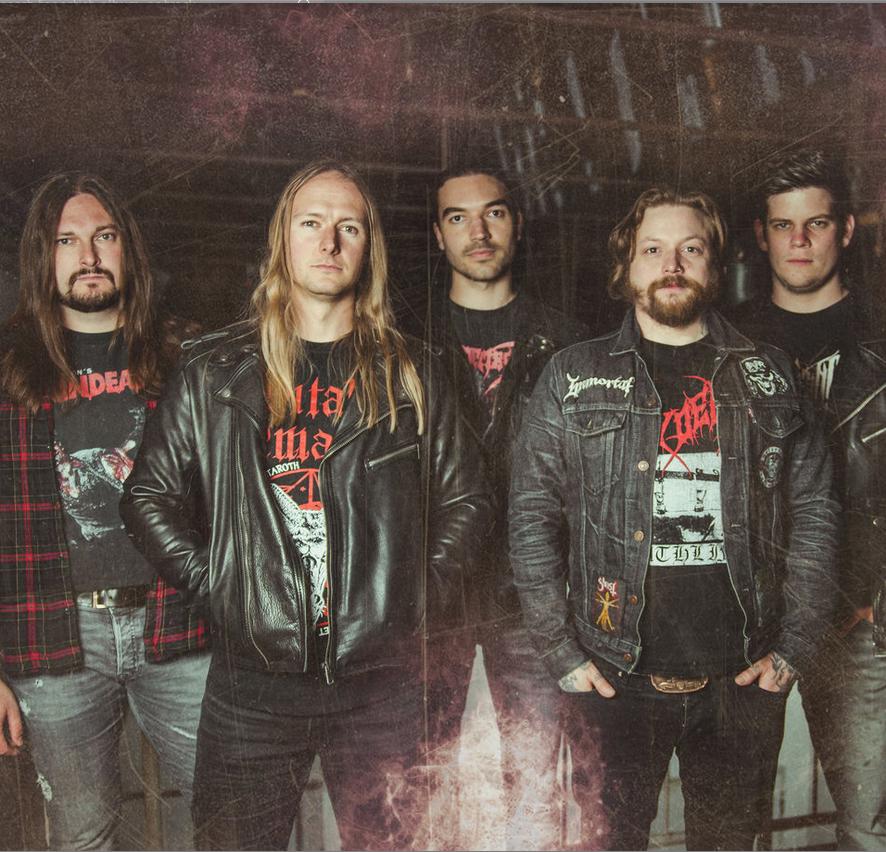
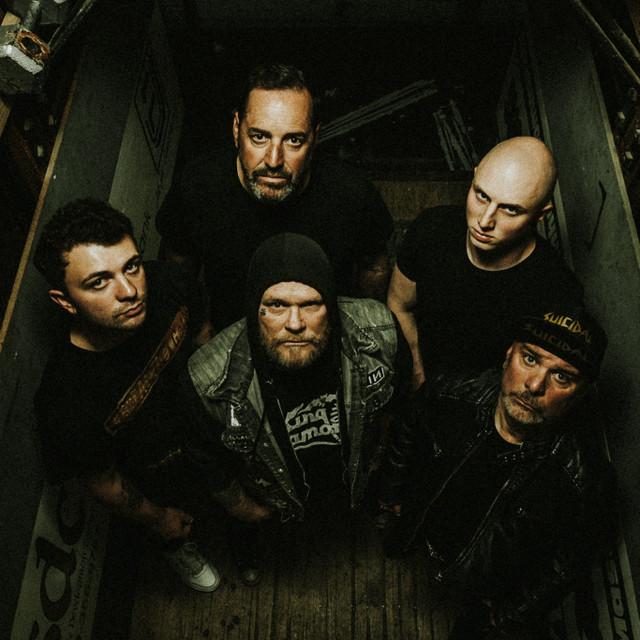
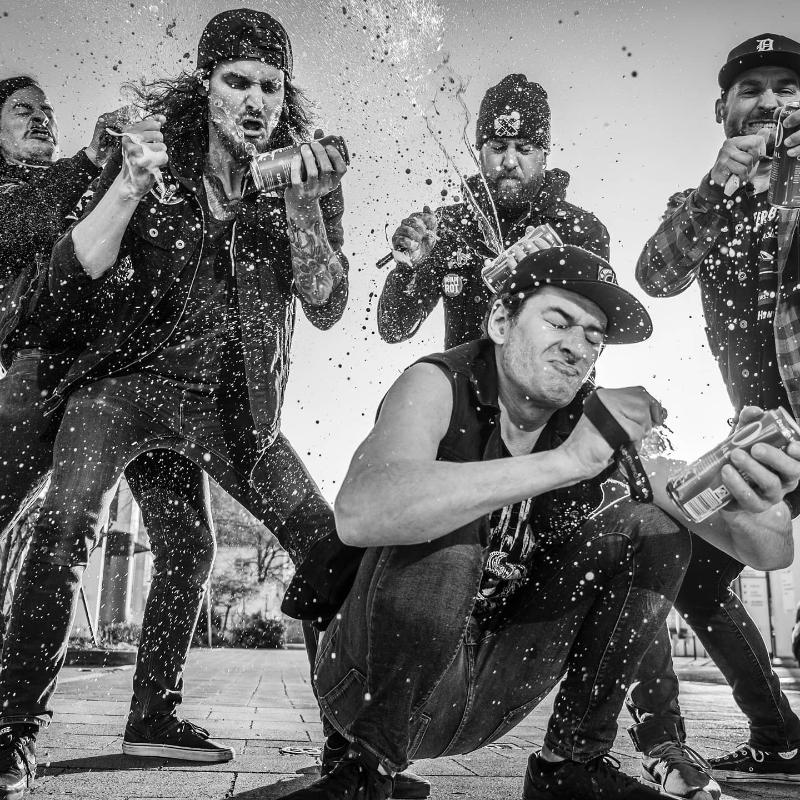
Tortureslave’s Spotify BioMunich doesn’t exactly have the reputation of being a heavy metal stronghold, „death“ or „thrash“ aren’t neccessarily the first words that come to mind when thinking about the bavarian city that often appears more like a very large village.
Under these circumstances you could waste a great amount of time complaining about the status quo and jealously looking at places like LA, Gothenburg or Toronto. The other option? Take action and fill the metal-gap yourself by creating the sound, that you find to be missing in your local band-landscape.
That is exactly the demand that Tortureslave make on themselves. Against this background, the band blasts a furious mix of swedish-inspired melodic death metal and raw 80s-thrash with a firm punk-based, sociocritical stance. In their lyrics, Tortureslave angrily address social issues such as capitalism, meritocracy, war and the racist conservative shift of society.
Band members come from varying musical backgrounds (e.g. Spread the Plague, Damien, Cult… of the Black Moon Rising, Sonic Abuse…) so the classic thrash/death sound is given a very unique edge. Raw, fresh and completely free of unnecessary frills. Simply put: 0% bullshit, 100% metal.
After the Demo EP from 2017, wich managed to cause a stir in southern Germany and beyond, the long anticipated full-length Debutalbum now faces the light of this barren world in February 2021. „Tools of Torture“ elevates the Band to a whole new level in terms of songwriting, sound and aggression.
Viberate is a music analytics platform built for A&Rs, artist managers, labels, booking agents, marketers, and artists.
It helps music professionals track artist growth, analyze audience data, monitor playlist activity, compare artists, follow song performance, and identify opportunities across the music market.
Public artist pages provide a free preview of selected artist data. Paid plans provide access to deeper analytics, historical data, charts, comparisons, playlist tools, exports, alerts, reports, and additional professional features.
Yes. Public Viberate artist pages provide selected artist analytics and music data for free.
Viberate also offers a 7-day free trial of the full platform. A credit card is required to start the trial. The trial includes access to the complete product so users can test deeper artist analytics, historical views, playlist insights, comparisons, charts, exports, alerts, and reporting features before choosing a paid plan.
Viberate provides artist analytics across streaming, playlists, social media, video, radio airplay, songs, and audience markets.
Users can analyze Spotify performance, Spotify and Apple Music playlists, YouTube activity, TikTok and Instagram growth, radio spins, song performance, audience locations, demographics, rankings, and overall artist momentum.
Artist profiles also connect to music charts, similar artists, and comparison tools, helping users benchmark performance and evaluate artists in context.
Viberate updates key artist and track data daily.
For followed artists and tracks, selected data is refreshed multiple times per day. This helps teams monitor playlist changes, streaming movement, audience growth, releases, and campaign performance with more current data.
Update frequency can vary depending on the metric and data source.
Yes. Viberate lets users compare up to five artists side by side across streaming, social media, audience, and engagement metrics.
Users can compare fanbase growth, audience demographics, locations, Spotify performance, social metrics, and other artist data over selected time periods.
Artist comparison can be used for A&R scouting, benchmarking, booking decisions, campaign planning, and evaluating artists with similar audiences or market positions.