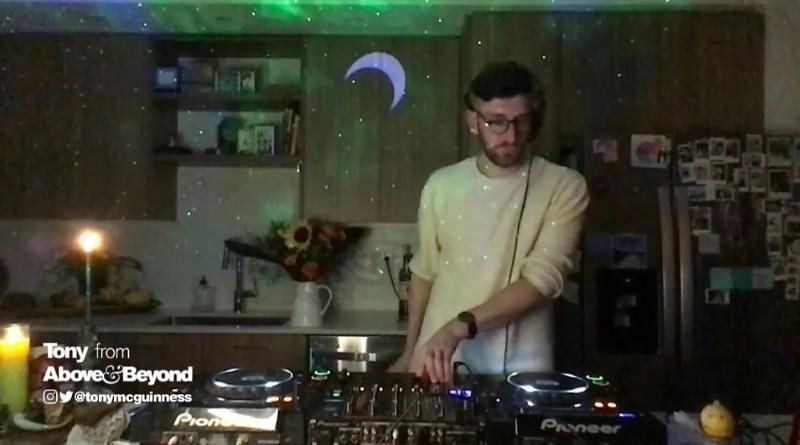
Tony McGuinness

Electronic
House
Dance
Deep House
 Viberate Rank: 157228
 Viberate Rank: 157228
 Monthly ListenersFollowers
 Subscribers
 Followers
 Followers
 FansTop Spotify Songs
| Track | 7-Day Streams | |
|---|---|---|
1 | 17.06K | |
2 | 17.06K | |
3 | 15.12K | |
4 | 3.59K | |
5 | 1.20K |
Top YouTube VideosMonthly ListenersFeatured in Playlists| Playlist | Followers | |
|---|---|---|
1 |  Trance Anthems 90s-00s Shane Codd | 161.06K |
2 |  POP DIVAS DANCE HITS sso | 81.00K |
3 |  Madonna Greatest Hits OfficialWill | 71.69K |
4 |  90's Trance & Techno Anthems Bryan Nguyen | 61.24K |
5 |  Trance & Progressive 2026 Anjunabeats | 50.66K |
Audience| City | Monthly Listeners | |
|---|---|---|
1 | | 418 |
2 |  | 374 |
3 | | 351 |
4 |  | 268 |
5 | | 221 |
See full performance history, audience data, playlist activity, rankings, comparisons, and more in Viberate music analytics. Start with a free trial, then continue with a paid plan.
Tony McGuinness’ Spotify BioBefore Tony McGuinness was Tony McGuinness of Above & Beyond, he was another artist, another music industry professional, another man entirely.
Salt is the great lost solo project from the songwriter who would become the chief “male voice” lyricist in Above & Beyond. That is, as he puts it, “pretty much anything that a man is singing for Above & Beyond, I will have written it”. So, amongst other beloved favourites in the canon of the multi-million-selling global electronic music phenom, that’s Sun and Moon, Thing Called Love, Northern Soul, Gratitude, Blue Sky Action, Happiness Amplified as well as Satellite (with Justine Suissa) and Far From In Love.
Now, at last, in 2024, the fans, the followers and the fascinated can hear the DNA of that songwriting mastery. The heart of Salt’s nine tracks were written by McGuinness in a heady six-month burst between 1995 and 1996, the result of classic ’90s whirlwind romance in a London that was popping off with the explosion of club culture in the… UK.
But the essential truth, the essential artistry, the essential honesty of these songs remain the same. Salt is the singer-songwriter sound of McGuinness feeling his way towards the musician he would become – and, as one third of Above & Beyond alongside Jono Grant and Paavo Siljamäki, the band they would become, too.
Viberate is a music analytics platform built for A&Rs, artist managers, labels, booking agents, marketers, and artists.
It helps music professionals track artist growth, analyze audience data, monitor playlist activity, compare artists, follow song performance, and identify opportunities across the music market.
Public artist pages provide a free preview of selected artist data. Paid plans provide access to deeper analytics, historical data, charts, comparisons, playlist tools, exports, alerts, reports, and additional professional features.
Yes. Public Viberate artist pages provide selected artist analytics and music data for free.
Viberate also offers a 7-day free trial of the full platform. A credit card is required to start the trial. The trial includes access to the complete product so users can test deeper artist analytics, historical views, playlist insights, comparisons, charts, exports, alerts, and reporting features before choosing a paid plan.
Viberate provides artist analytics across streaming, playlists, social media, video, radio airplay, songs, and audience markets.
Users can analyze Spotify performance, Spotify and Apple Music playlists, YouTube activity, TikTok and Instagram growth, radio spins, song performance, audience locations, demographics, rankings, and overall artist momentum.
Artist profiles also connect to music charts, similar artists, and comparison tools, helping users benchmark performance and evaluate artists in context.
Viberate updates key artist and track data daily.
For followed artists and tracks, selected data is refreshed multiple times per day. This helps teams monitor playlist changes, streaming movement, audience growth, releases, and campaign performance with more current data.
Update frequency can vary depending on the metric and data source.
Yes. Viberate lets users compare up to five artists side by side across streaming, social media, audience, and engagement metrics.
Users can compare fanbase growth, audience demographics, locations, Spotify performance, social metrics, and other artist data over selected time periods.
Artist comparison can be used for A&R scouting, benchmarking, booking decisions, campaign planning, and evaluating artists with similar audiences or market positions.