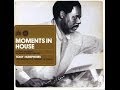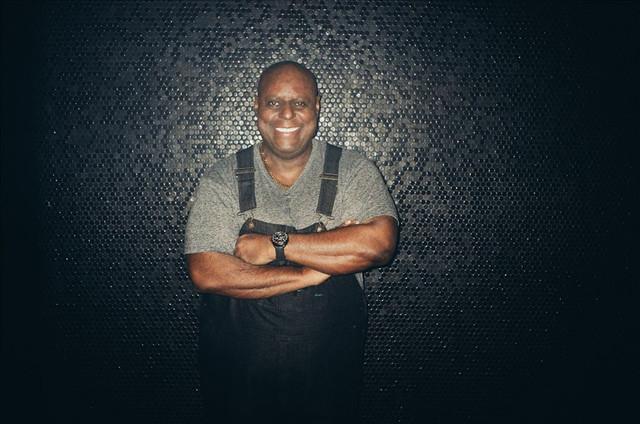
Tony Humphries

Electronic
House
Funk
Other Electronic Music
 Viberate Rank: 128729
 Viberate Rank: 128729
 Monthly ListenersFollowers
 Subscribers
 Followers
 Followers
 FansTop Spotify SongsTop YouTube Videos
| Video | 7-Day Views | |
|---|---|---|
1 | 156 | |
2 | 101 | |
3 | 99 | |
4 | 64 | |
5 | 30 |
Monthly ListenersFeatured in Playlists| Playlist | Followers | |
|---|---|---|
1 |  Best House & Club Tracks | Defected Defected Records | 109.21K |
2 |  Techno 2020 Odin Media Group | 57.52K |
3 | 90s Dance Anthems Mark Jason | 47.94K |
4 | 80's 12" & Extended Remixes enigma804 | 47.09K |
5 |  Summer Bounce Spotify | 15.78K |
Audience| City | Monthly Listeners | |
|---|---|---|
1 |  | 476 |
2 |  | 438 |
3 | | 300 |
4 |  | 238 |
5 | | 224 |
See full performance history, audience data, playlist activity, rankings, comparisons, and more in Viberate music analytics. Start with a free trial, then continue with a paid plan.
Tony Humphries’ Spotify BioOne of the few DJs whose career at the hub of dance music (New York) spanned the 1970s,'80s and '90s, Tony Humphries is one of the most important names in the evolution of house. His status is especially vaunted, considering his role in the development of garage music (also known as the Jersey Sound, in honor of Humphries' work at Newark's Club Zanzibar). Though Larry Levan is considered the seminal garage DJ (his Paradise Garage club gave its name to the style), Humphries nurtured the style throughout the 1980s and '90s and was potentially Levan's equal at inspiring audiences to higher and higher flights of dancefloor bliss.
Born in Brooklyn in 1957, he began collecting records at the age of ten and joined a DJ club while at college in Manhattan. Humphries had never considered a career in music, but when his job in the editorial department of New York's Daily News was temporarily halted due to a strike early in the 1980s, he never looked back. Humphries began working at a record store… and spent his extra time spinning at New York's 98.7 KISS-FM in 1981. One year later, he debuted with a residency at the Club Zanzibar in nearby Newark, New Jersey.
Though Larry Levan's DJing at the Paradise Garage gave a name to the soulful New York variant of early house music later termed garage, Humphries was just as instrumental in bringing the sound to a wide audience. Every major East Coast producer coming up in the late '80s and early '90s name-checked him with vigor, and his DJing was also influential on many second-wave British acts. The U.K. connection came in handy by the turn of the decade -- Humphries became one of several American DJs to make a name (and quite a large paycheck) on British shores. Several years later, the London super-club Ministry of Sound tapped Humphries for an exclusive deal to DJ and produce for its club/label combo, and Humphries also worked on remixing for Chaka Khan, Deee-Lite, the Sugarcubes and Janet Jackson, among others. Besides mix albums for Strictly Rhythm and Tribal UK, Humphries has recorded several of his own productions as the Tony Humphries Project. ~ John Bush, Rovi
Viberate is a music analytics platform built for A&Rs, artist managers, labels, booking agents, marketers, and artists.
It helps music professionals track artist growth, analyze audience data, monitor playlist activity, compare artists, follow song performance, and identify opportunities across the music market.
Public artist pages provide a free preview of selected artist data. Paid plans provide access to deeper analytics, historical data, charts, comparisons, playlist tools, exports, alerts, reports, and additional professional features.
Yes. Public Viberate artist pages provide selected artist analytics and music data for free.
Viberate also offers a 7-day free trial of the full platform. A credit card is required to start the trial. The trial includes access to the complete product so users can test deeper artist analytics, historical views, playlist insights, comparisons, charts, exports, alerts, and reporting features before choosing a paid plan.
Viberate provides artist analytics across streaming, playlists, social media, video, radio airplay, songs, and audience markets.
Users can analyze Spotify performance, Spotify and Apple Music playlists, YouTube activity, TikTok and Instagram growth, radio spins, song performance, audience locations, demographics, rankings, and overall artist momentum.
Artist profiles also connect to music charts, similar artists, and comparison tools, helping users benchmark performance and evaluate artists in context.
Viberate updates key artist and track data daily.
For followed artists and tracks, selected data is refreshed multiple times per day. This helps teams monitor playlist changes, streaming movement, audience growth, releases, and campaign performance with more current data.
Update frequency can vary depending on the metric and data source.
Yes. Viberate lets users compare up to five artists side by side across streaming, social media, audience, and engagement metrics.
Users can compare fanbase growth, audience demographics, locations, Spotify performance, social metrics, and other artist data over selected time periods.
Artist comparison can be used for A&R scouting, benchmarking, booking decisions, campaign planning, and evaluating artists with similar audiences or market positions.