TONS

Metal
Doom/Sludge Metal
 Viberate Rank: 324607
 Viberate Rank: 324607
 Monthly ListenersFollowers
 Subscribers
 Followers
 Followers
 FansTop Spotify Songs
| Track | 7-Day Streams | |
|---|---|---|
1 | 186 | |
2 | 75 | |
3 | 75 | |
4 | 67 | |
5 | 65 |
Top YouTube VideosMonthly ListenersFeatured in Playlists| Playlist | Followers | |
|---|---|---|
1 |  Stoner, Sludge & Doom Metal blaatz0r | 4.21K |
2 |  psych stoner doom blues rock metal chris | 3.77K |
3 |  Weedian (Worldwide) Dom Riso | 2.65K |
4 |  Daily Techno & House ikbenbjorn | 2.04K |
5 |  Assortment of Doom & Stoner !Orlag | 1.34K |
Audience| City | Monthly Listeners | |
|---|---|---|
1 |  | 20 |
2 |  | 16 |
3 | | 14 |
4 | | 12 |
5 | | 12 |
See full performance history, audience data, playlist activity, rankings, comparisons, and more in Viberate music analytics. Start with a free trial, then continue with a paid plan.
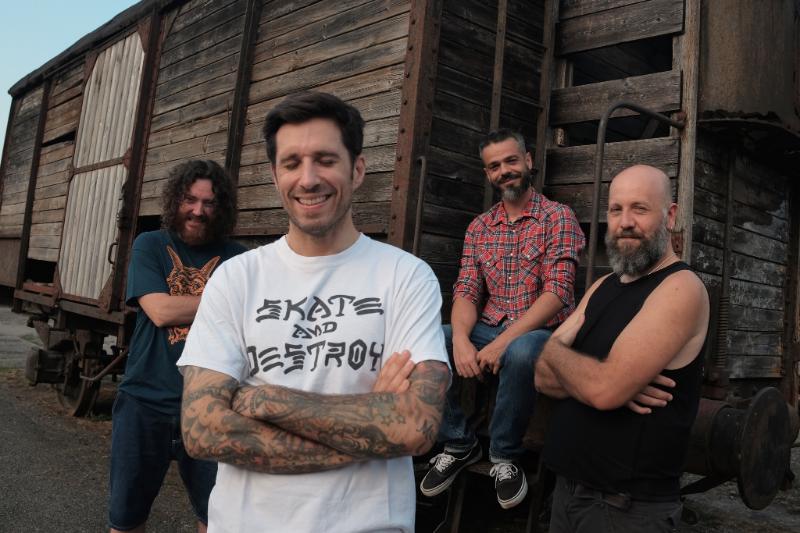
TONS’ Spotify BioTons formed in 2009 with members of hardcore bands from the 00’s Turin scene (The Redrum, Lama Tematica and NoInfo). Slow and heavy sounds take the place of frenetic HC rhythms; the texts speak about weed in an ironic way, but also about a certain tendency to esotericism that characterizes the city of Turin. In 2010 they recorded a demo and in 2012 their first full length “Musineè Doom Session, Volume 1”, recorded by Danilo “Dano” Battocchio, was released for the Turin-based Escape From Today (EFT050) and for the young Roman label, Heavy Psych Sounds (First non Black Rainbows release, HPS005). In 2013 a split with Lento from Rome came out and Tons began to plow the European venues, opening the stage for bands like Bongzilla, Unsane, Church of Misery, Napalm Death, Pentagram etc ... In 2015 the drummer Marco Dinocco left the band and was replaced by Andrea Peracchia (Dogs for Breakfast/Slaiver). Paolo Paganelli (Woptime/Linea77) was also added as lead guitarist. In 2018 the second full… length of the band "Filthy Flowers of Doom" was released for Heavy Psych Sounds Records, which would bring Tons again around Europe in 2018 and in 2019. In 2021 they released a split record with the mighty Bongzilla followed by a European tour together in 2022. Now the band is coming back with a brand new album called "Hashension" and for the 10th anniversary of their debut album "Musineè Doom Session, Volume 1" will be released as a repress with remastered audio and a new cover artwork.
Viberate is a music analytics platform built for A&Rs, artist managers, labels, booking agents, marketers, and artists.
It helps music professionals track artist growth, analyze audience data, monitor playlist activity, compare artists, follow song performance, and identify opportunities across the music market.
Public artist pages provide a free preview of selected artist data. Paid plans provide access to deeper analytics, historical data, charts, comparisons, playlist tools, exports, alerts, reports, and additional professional features.
Yes. Public Viberate artist pages provide selected artist analytics and music data for free.
Viberate also offers a 7-day free trial of the full platform. A credit card is required to start the trial. The trial includes access to the complete product so users can test deeper artist analytics, historical views, playlist insights, comparisons, charts, exports, alerts, and reporting features before choosing a paid plan.
Viberate provides artist analytics across streaming, playlists, social media, video, radio airplay, songs, and audience markets.
Users can analyze Spotify performance, Spotify and Apple Music playlists, YouTube activity, TikTok and Instagram growth, radio spins, song performance, audience locations, demographics, rankings, and overall artist momentum.
Artist profiles also connect to music charts, similar artists, and comparison tools, helping users benchmark performance and evaluate artists in context.
Viberate updates key artist and track data daily.
For followed artists and tracks, selected data is refreshed multiple times per day. This helps teams monitor playlist changes, streaming movement, audience growth, releases, and campaign performance with more current data.
Update frequency can vary depending on the metric and data source.
Yes. Viberate lets users compare up to five artists side by side across streaming, social media, audience, and engagement metrics.
Users can compare fanbase growth, audience demographics, locations, Spotify performance, social metrics, and other artist data over selected time periods.
Artist comparison can be used for A&R scouting, benchmarking, booking decisions, campaign planning, and evaluating artists with similar audiences or market positions.