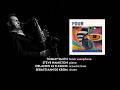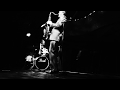
Tommy Smith

Country
Contemporary Country
Jazz Fusion
 Viberate Rank: 357634
 Viberate Rank: 357634
 Monthly ListenersFollowers
 Subscribers
 Followers
 Followers
 FansTop YouTube Videos
| Video | 7-Day Views | |
|---|---|---|
1 | 28 | |
2 | 24 | |
3 | 22 | |
4 | 20 | |
5 | 14 |
Monthly ListenersFeatured in Playlists| Playlist | Followers | |
|---|---|---|
1 |  Nordic Jazz Spotify | 103.25K |
2 |  Midnight Jazz Bar 🍸 by Don's Tunes Don's Tunes | 11.61K |
3 |  ECM Yves Riviere | 5.39K |
4 |  Best Audiophile songs to test speakers and headphones juriaan van der zwan | 4.25K |
5 |  Heavy Jazz - Modern Jazz-Rock Fusion Joe Williamson | 4.01K |
Audience| City | Monthly Listeners | |
|---|---|---|
1 |  | 72 |
2 | | 64 |
3 | | 58 |
4 |  | 49 |
5 |  | 41 |
See full performance history, audience data, playlist activity, rankings, comparisons, and more in Viberate music analytics. Start with a free trial, then continue with a paid plan.
Tommy Smith’s Spotify BioBorn and raised in Edinburgh, Scotland, Tommy Smith is a big-toned tenor saxophonist who has played both straight-ahead jazz and fusion. It was in Edinburgh that Smith became seriously interested in jazz as a teenager, and he was only 15 when he was accepted to the renowned Berklee College of Music. In 1984, the saxman moved to Boston to attend Berklee, and, in 1986, an 18-year-old Smith was hired as a sideman by Gary Burton at the recommendation of Chick Corea. Smith signed with Blue Note in 1989, recording 1990's Burton-produced fusion/post-bop date Peeping Tom and 1991's straight-ahead Standards. After finishing up at Berklee, Smith returned to Scotland, where he signed with the Glasgow-based Linn label and recorded several albums in the mid- to late '90s: Misty Morning & No Time, Reminiscence, Beasts of Scotland, Azure, and the Duke Ellington/Billy Strayhorn tribute The Sound of Love. Blue Smith, his first release of the new century, followed in the spring of 2000. ~ Alex… Henderson, Rovi
Viberate is a music analytics platform built for A&Rs, artist managers, labels, booking agents, marketers, and artists.
It helps music professionals track artist growth, analyze audience data, monitor playlist activity, compare artists, follow song performance, and identify opportunities across the music market.
Public artist pages provide a free preview of selected artist data. Paid plans provide access to deeper analytics, historical data, charts, comparisons, playlist tools, exports, alerts, reports, and additional professional features.
Yes. Public Viberate artist pages provide selected artist analytics and music data for free.
Viberate also offers a 7-day free trial of the full platform. A credit card is required to start the trial. The trial includes access to the complete product so users can test deeper artist analytics, historical views, playlist insights, comparisons, charts, exports, alerts, and reporting features before choosing a paid plan.
Viberate provides artist analytics across streaming, playlists, social media, video, radio airplay, songs, and audience markets.
Users can analyze Spotify performance, Spotify and Apple Music playlists, YouTube activity, TikTok and Instagram growth, radio spins, song performance, audience locations, demographics, rankings, and overall artist momentum.
Artist profiles also connect to music charts, similar artists, and comparison tools, helping users benchmark performance and evaluate artists in context.
Viberate updates key artist and track data daily.
For followed artists and tracks, selected data is refreshed multiple times per day. This helps teams monitor playlist changes, streaming movement, audience growth, releases, and campaign performance with more current data.
Update frequency can vary depending on the metric and data source.
Yes. Viberate lets users compare up to five artists side by side across streaming, social media, audience, and engagement metrics.
Users can compare fanbase growth, audience demographics, locations, Spotify performance, social metrics, and other artist data over selected time periods.
Artist comparison can be used for A&R scouting, benchmarking, booking decisions, campaign planning, and evaluating artists with similar audiences or market positions.