TOMB

Electronic
Dance
Deep House
 Viberate Rank: 182088
 Viberate Rank: 182088
 Monthly ListenersFollowers
 Subscribers
 Followers
 Followers
 FansTop Spotify Songs
| Track | 7-Day Streams | |
|---|---|---|
1 | 15.65K | |
2 | 10.61K | |
3 | 9.35K | |
4 | 7.95K | |
5 | 6.85K |
Top YouTube VideosMonthly ListenersFeatured in Playlists| Playlist | Followers | |
|---|---|---|
1 |  NIGHT DRIVE ⚫️ Late Night Drive ⚫️ Deep House, Melancholic Dance, Electronic Dance Music THE NIGHT DRIVE | 314.02K |
2 |  Electronic Chill & Deep House UOAK | 211.26K |
3 |  Melodic Deep House UOAK | 58.56K |
4 |  Purified by Nora En Pure Nora En Pure | 46.83K |
5 |  VOCAL TRANCE 2026 🔥🔥🔥 Vocal Trance | 34.83K |
Audience| City | Monthly Listeners | |
|---|---|---|
1 |  | 1.89K |
2 |  | 1.42K |
3 |  | 1.32K |
4 | | 1.27K |
5 | | 1.17K |
See full performance history, audience data, playlist activity, rankings, comparisons, and more in Viberate music analytics. Start with a free trial, then continue with a paid plan.
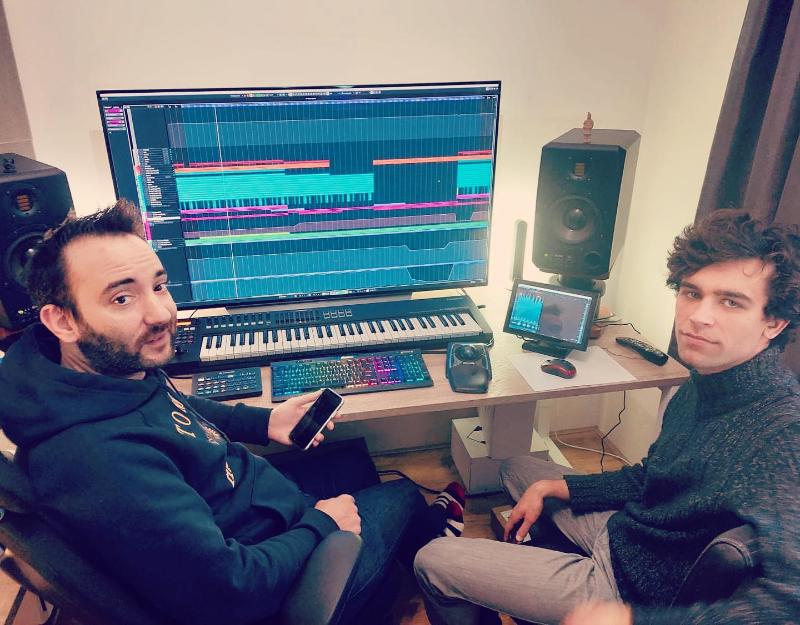
TOMB’s Spotify BioFormed in 2021, Dutch duo TOMB craft emotive, club-ready melodic progressive house. Releases on Monstercat Silk, Sekora, Songspire, Spectrum Recordings, and Sirup Music have earned support from Martin Garrix, Sultan + Shepard, and Piece Wise, with features on SiriusXM Chill, top editorial playlists on Spotify and Apple Music, and airplay on Radio 538. Recent highlights include an official remix by UOAK, TOMB’s remix for Matt Leger, and collaborations with LAR, Lewyn, and Into the Ether. TOMB—Thomas Bronzwaer and Koen de Boer—blend widescreen pads, melodic hooks, and a focused low end: music built for late-night floors and long-day repeats.
Viberate is a music analytics platform built for A&Rs, artist managers, labels, booking agents, marketers, and artists.
It helps music professionals track artist growth, analyze audience data, monitor playlist activity, compare artists, follow song performance, and identify opportunities across the music market.
Public artist pages provide a free preview of selected artist data. Paid plans provide access to deeper analytics, historical data, charts, comparisons, playlist tools, exports, alerts, reports, and additional professional features.
Yes. Public Viberate artist pages provide selected artist analytics and music data for free.
Viberate also offers a 7-day free trial of the full platform. A credit card is required to start the trial. The trial includes access to the complete product so users can test deeper artist analytics, historical views, playlist insights, comparisons, charts, exports, alerts, and reporting features before choosing a paid plan.
Viberate provides artist analytics across streaming, playlists, social media, video, radio airplay, songs, and audience markets.
Users can analyze Spotify performance, Spotify and Apple Music playlists, YouTube activity, TikTok and Instagram growth, radio spins, song performance, audience locations, demographics, rankings, and overall artist momentum.
Artist profiles also connect to music charts, similar artists, and comparison tools, helping users benchmark performance and evaluate artists in context.
Viberate updates key artist and track data daily.
For followed artists and tracks, selected data is refreshed multiple times per day. This helps teams monitor playlist changes, streaming movement, audience growth, releases, and campaign performance with more current data.
Update frequency can vary depending on the metric and data source.
Yes. Viberate lets users compare up to five artists side by side across streaming, social media, audience, and engagement metrics.
Users can compare fanbase growth, audience demographics, locations, Spotify performance, social metrics, and other artist data over selected time periods.
Artist comparison can be used for A&R scouting, benchmarking, booking decisions, campaign planning, and evaluating artists with similar audiences or market positions.