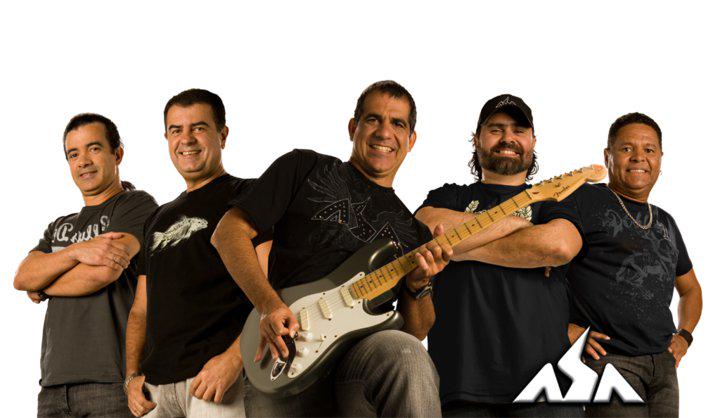
Tomate

Rock
Pop Rock
Other Latin Music
 Viberate Rank: 73695
 Viberate Rank: 73695
 Monthly ListenersFollowers
 Subscribers
 Followers
 Followers
 FansTop Spotify Songs
| Track | 7-Day Streams | |
|---|---|---|
1 | 25.67K | |
2 | 16.54K | |
3 | 13.72K | |
4 | 10.88K | |
5 | 7.60K |
Top YouTube Videos| Video | 7-Day Views | |
|---|---|---|
1 | 348 |
Monthly ListenersFeatured in Playlists| Playlist | Followers | |
|---|---|---|
1 |  Pagodão Baiano Spotify | 229.25K |
2 |  No Trio Elétrico Spotify | 215.36K |
3 | Carnaval da Bahia - Só as melhores Roberto Ramos Manoel | 99.13K |
4 |  CANCIONES DE SEÑORA Less | 97.27K |
5 |  This Is XANDDY HARMONIA Spotify | 74.13K |
Audience| City | Monthly Listeners | |
|---|---|---|
1 | | 23.64K |
2 | | 13.51K |
3 | | 11.60K |
4 |  | 8.93K |
5 | | 6.02K |
See full performance history, audience data, playlist activity, rankings, comparisons, and more in Viberate music analytics. Start with a free trial, then continue with a paid plan.
Tomate’s Spotify BioFabrício Kraychete, conhecido como Tomate, nasceu em 18 de Novembro de 1982 em Salvador (BA). Cantor, compositor, músico e produtor, deu início a sua carreira ainda bem jovem, aos 16 anos. Dono de sucessos como “Te Espero no Farol” e “A Gente Se Vê Depois da Chuva”, coleciona ao longo da sua trajetória solo três CDs, um DVD e dois clipes em turnê internacional.
Atualmente, Tomate é também considerado um dos melhores puxadores de trio, conhecido por sua personalidade irreverente e energia contagiante, não deixa ninguém parado e investe em um repertório eclético que passa pelo pop, rock, dance, metal sem deixar as batida raiz brasileira de lado. Tom, como gosta de ser chamado, escolheu o rótulo de não ter rótulos e encantar todos os públicos, independente da classe social e idade, seja no palco ou em cima do trio.
O seu objetivo é produzir um material que possa romper preconceitos e mostrar que música é para tocar e que qualquer artista pode passear por vários ritmos e sons.
Tom, vem… conquistando cada vez mais admiradores por sua versatilidade.
Viberate is a music analytics platform built for A&Rs, artist managers, labels, booking agents, marketers, and artists.
It helps music professionals track artist growth, analyze audience data, monitor playlist activity, compare artists, follow song performance, and identify opportunities across the music market.
Public artist pages provide a free preview of selected artist data. Paid plans provide access to deeper analytics, historical data, charts, comparisons, playlist tools, exports, alerts, reports, and additional professional features.
Yes. Public Viberate artist pages provide selected artist analytics and music data for free.
Viberate also offers a 7-day free trial of the full platform. A credit card is required to start the trial. The trial includes access to the complete product so users can test deeper artist analytics, historical views, playlist insights, comparisons, charts, exports, alerts, and reporting features before choosing a paid plan.
Viberate provides artist analytics across streaming, playlists, social media, video, radio airplay, songs, and audience markets.
Users can analyze Spotify performance, Spotify and Apple Music playlists, YouTube activity, TikTok and Instagram growth, radio spins, song performance, audience locations, demographics, rankings, and overall artist momentum.
Artist profiles also connect to music charts, similar artists, and comparison tools, helping users benchmark performance and evaluate artists in context.
Viberate updates key artist and track data daily.
For followed artists and tracks, selected data is refreshed multiple times per day. This helps teams monitor playlist changes, streaming movement, audience growth, releases, and campaign performance with more current data.
Update frequency can vary depending on the metric and data source.
Yes. Viberate lets users compare up to five artists side by side across streaming, social media, audience, and engagement metrics.
Users can compare fanbase growth, audience demographics, locations, Spotify performance, social metrics, and other artist data over selected time periods.
Artist comparison can be used for A&R scouting, benchmarking, booking decisions, campaign planning, and evaluating artists with similar audiences or market positions.