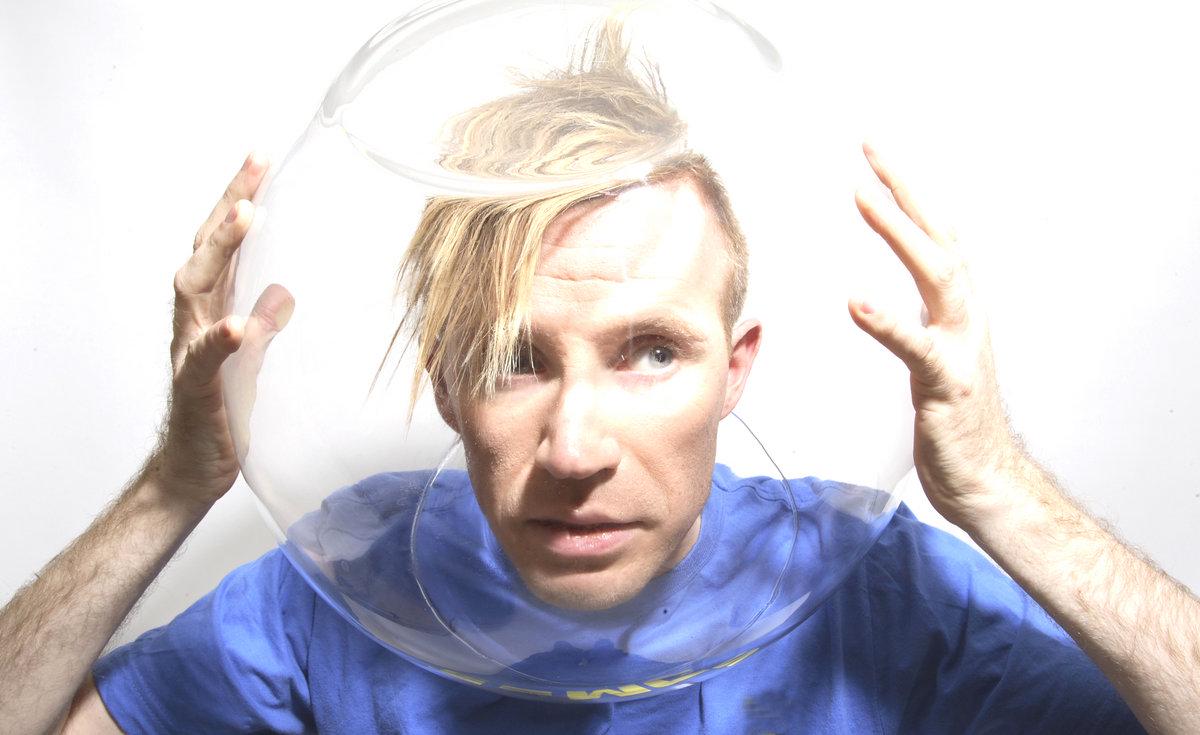
Tomas Grut

Classical
Classical Crossover
 Viberate Rank: 331983
 Viberate Rank: 331983
 Monthly ListenersFollowers
 Subscribers
 Followers
 Followers
 FansTop Spotify Songs
| Track | 7-Day Streams | |
|---|---|---|
1 | 2.79K | |
2 | 1.32K | |
3 | 988 | |
4 | 874 | |
5 | 874 |
Top YouTube Videos| Video | 7-Day Views | |
|---|---|---|
1 | 536 | |
2 | 413 | |
3 | 247 | |
4 | 145 | |
5 | 110 |
Monthly ListenersFeatured in Playlists| Playlist | Followers | |
|---|---|---|
1 |  Reading Music (Instrumentals) Trevor Reeves | 123.98K |
2 |  Focus Music - Work | Studying | Concentration Kroschi | 112.12K |
3 |  Concentration (Piano, Classic & Instrumental) RÆV | 39.93K |
4 |  Dark Academia and Study Music EMITHA | 30.63K |
5 |  Sad Instrumental Amber Bell | 22.27K |
Audience| City | Monthly Listeners | |
|---|---|---|
1 |  | 444 |
2 | | 361 |
3 | | 360 |
4 | | 333 |
5 |  | 261 |
See full performance history, audience data, playlist activity, rankings, comparisons, and more in Viberate music analytics. Start with a free trial, then continue with a paid plan.
Tomas Grut’s Spotify BioPianist and composer Tomas Grut was born and raised in a musical family in Östersund, northern Sweden. He started playing the piano at the age of ten and soon also discovered the joy in creating his own music. Tomas has since studied under the likes of award-winning Swedish pianist Lena Johnson and British composer Peter Lyne among others and has released five studio albums.
Grut’s musical style is often described as minimalistic, filmic and often introspective, drawing comparisons to contemporary artists such as Ludovici Einaudi and Michael Nyman
Outtakes from album reviews:
”Anxious, richly illustrated and emotionally strong” - Lo Rindberg, LT
”A philosophical appropriation in both the titles and the highly cohesive mood that Tomas Grut creates with his music” – Lo Rindberg, LT
”The music is filmic, scaled-down and easy to grasp” - Paula Dahlin, LT
”It’s melancholic music with a gloom in the middle of a sort of explanatory light" – Lena Byström, LT
”Tomas piano playing is deft, the… appropriation is very nice and the minimalist music required a soft consistency in the technical which Tomas possesses” – Lena Byström, LT
Outtakes from concert reviews:
”…expressed with spark and passion…” ”… dreamy and saturated with beauty…” ”…as a modern raindrop prelude…” – Bernt Carlsson, ÖP
”…strong and melancholic…” ”…warmly and sincerely played…” – Jenny Isaksson, ÖP
”…mysterious, dreamy and soothing as a crystal clear waterfall… – Linda Peterson, LT
Viberate is a music analytics platform built for A&Rs, artist managers, labels, booking agents, marketers, and artists.
It helps music professionals track artist growth, analyze audience data, monitor playlist activity, compare artists, follow song performance, and identify opportunities across the music market.
Public artist pages provide a free preview of selected artist data. Paid plans provide access to deeper analytics, historical data, charts, comparisons, playlist tools, exports, alerts, reports, and additional professional features.
Yes. Public Viberate artist pages provide selected artist analytics and music data for free.
Viberate also offers a 7-day free trial of the full platform. A credit card is required to start the trial. The trial includes access to the complete product so users can test deeper artist analytics, historical views, playlist insights, comparisons, charts, exports, alerts, and reporting features before choosing a paid plan.
Viberate provides artist analytics across streaming, playlists, social media, video, radio airplay, songs, and audience markets.
Users can analyze Spotify performance, Spotify and Apple Music playlists, YouTube activity, TikTok and Instagram growth, radio spins, song performance, audience locations, demographics, rankings, and overall artist momentum.
Artist profiles also connect to music charts, similar artists, and comparison tools, helping users benchmark performance and evaluate artists in context.
Viberate updates key artist and track data daily.
For followed artists and tracks, selected data is refreshed multiple times per day. This helps teams monitor playlist changes, streaming movement, audience growth, releases, and campaign performance with more current data.
Update frequency can vary depending on the metric and data source.
Yes. Viberate lets users compare up to five artists side by side across streaming, social media, audience, and engagement metrics.
Users can compare fanbase growth, audience demographics, locations, Spotify performance, social metrics, and other artist data over selected time periods.
Artist comparison can be used for A&R scouting, benchmarking, booking decisions, campaign planning, and evaluating artists with similar audiences or market positions.