Tomas Fujiwara

Jazz
Free Jazz
 Viberate Rank: 699089
 Viberate Rank: 699089
 Monthly ListenersFollowers
 Subscribers
 Followers
 Followers
 FansTop Spotify SongsTop YouTube VideosMonthly ListenersFeatured in Playlists
| Playlist | Followers | |
|---|---|---|
1 |  The Jazz Clarinet Adam Price | 10.19K |
2 |  The Sound of Tzadik The Sounds of Spotify | 1.01K |
3 |  This Is Mary Halvorson Spotify | 602 |
4 |  Better Call Soup Mister-Soup🍵 Jc | 429 |
5 |  label: Clean Feed / Trem Azul (RIP 06/2026) pgtja | 207 |
Audience| City | Monthly Listeners | |
|---|---|---|
1 | | 5 |
2 | | 5 |
3 | | 5 |
4 |  | 4 |
5 | | 4 |
See full performance history, audience data, playlist activity, rankings, comparisons, and more in Viberate music analytics. Start with a free trial, then continue with a paid plan.
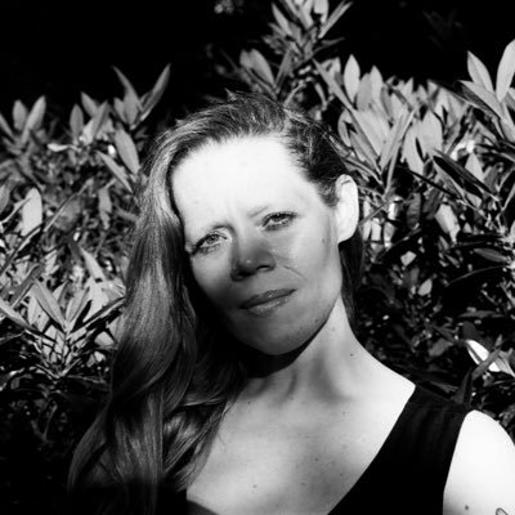
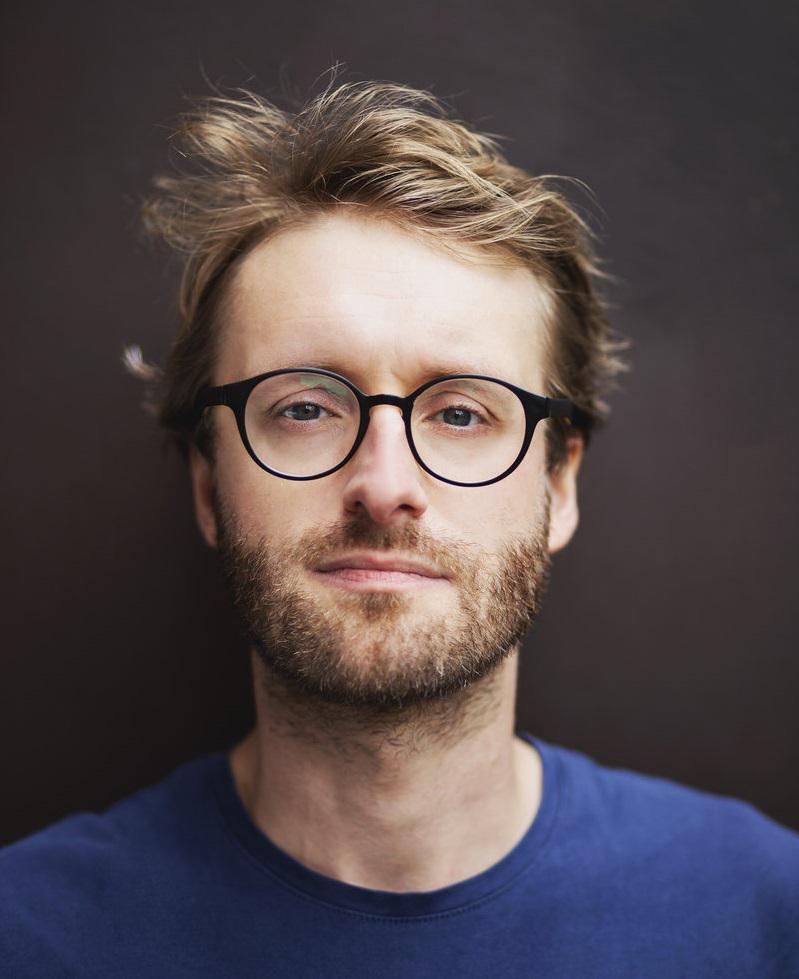
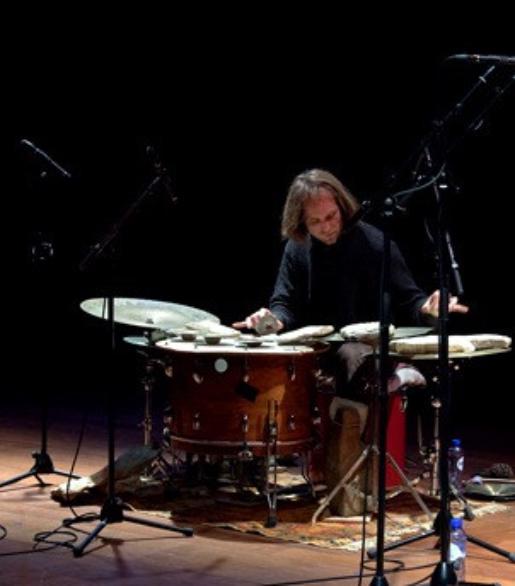
Tomas Fujiwara’s Spotify BioBrooklyn-based drummer Tomas Fujiwara emerged during the early to mid-2000s as a valued sideman before forming his own quintet, Tomas Fujiwara & the Hook Up, which gathered accolades for blending influences such as Wayne Shorter, Taleb Kweli, and Me'Shell Ndegéocello with the experimental and unpredictable spirit of the 21st century Brooklyn creative jazz scene. It's a sound he has displayed on albums like 2010's Actionspeak, 2017's Triple Double, and 2018's Ours with the collaborative Thumbscrew trio. The many other projects in which Fujiwara has played as a collaborator or sideman include the Steve Lacy tribute band Ideal Bread, the eight-piece "bhangra funk dhol 'n' brass" outfit Red Baraat, and saxophonist/clarinetist Matt Bauder's acoustic jazz quintet.
Born in Boston in 1977, Fujiwara studied for eight years with drummer and educator Alan Dawson before moving to New York at the age of 17. His first performing experiences included a five-year stint beginning around the turn of the… millennium with the off-Broadway show Stomp, but he also began appearing as a sideman on jazz recordings (e.g., Three Souls by the Adam Rafferty Trio in 2003) and moving in exploratory, adventurous directions.
Fujiwara developed a particularly strong collaborative relationship with New Haven, Connecticut-based cornetist Taylor Ho Bynum, whose own avant-leaning ensembles have featured a number of top Brooklyn improvising musicians. Fujiwara first appeared with Bynum on two 2007 recordings, The Middle Picture by the Taylor Ho Bynum Sextet (Firehouse 12) and True Events by the Taylor Ho Bynum/Tomas Fujiwara Duo (482 Music). During the following years, the drummer appeared on the Bynum Sextet albums Asphalt Flowers Forking Paths (hatOLOGY, 2009), Apparent Distance (Firehouse 12, 2011), and Navigation (Possibility Abstracts X & XI) (Firehouse 12, 2013), and the Bynum/Fujiwara Duo album Stepwise (Nottwo, 2010). Fujiwara is also a member of Positive Catastrophe, a ten-piece outfit co-led by Bynum and percussionist Abraham Gomez-Delgado and inspired by Sun Ra and Latin jazz; the group has released two albums on Cuneiform, Garabatos, Vol. One (2009) and Dibrujo, Dibrujo, Dibrujo... (2012).
Fujiwara has often worked with guitarist Mary Halvorson, who often travels in the same creative orbit as Taylor Ho Bynum; like Fujiwara, Halvorson is a member of the Bynum Sextet, and along with Bynum and violist Jessica Pavone, the drummer and guitarist formed the collective quartet the Thirteenth Assembly, which has recorded two albums for the Important Records label, 2009's (un)sentimental and 2011's Station Direct. Fujiwara, Halvorson, and Bynum also appeared as members of the Chicago-New York nonet Living by Lanterns, whose New Myth/Old Science album -- based on fragments of music recorded by Sun Ra in 1961 -- appeared on Cuneiform in 2012. In 2014 Cuneiform released another album featuring Fujiwara and Halvorson, the eponymous debut of Thumbscrew, a collaborative trio also including veteran bassist Michael Formanek. A second Thumbscrew album, Convallaria, was released by Cuneiform in 2016.
Fujiwara first assembled his Hook Up quintet in 2008, later describing the bandmembers as "some of the most important musicians in my life" -- and given all of Fujiwara and Halvorson's recorded appearances together in various settings, it was no surprise that the guitarist was in the lineup. Also featuring tenor saxophonist Brian Settles, trumpeter Jonathan Finlayson, and bassist Danton Boller, Tomas Fujiwara & the Hook Up released their debut album, Actionspeak, on 482 Music in 2010. Featuring Trevor Dunn on bass in place of Boller, the group's sophomore album, The Air Is Different, arrived (also on 482 Music) in 2012.
In 2017, Fujiwara again emerged as a leader of his own ensemble on the Firehouse 12 album Triple Double, appropriately titled given its lineup of two drummers, two guitarists, and two trumpeters (or, actually, a cornetist and a trumpeter). Joining Fujiwara on the fiery, propulsive, and exploratory project were longtime collaborators guitarist Halvorson and cornetist Bynum, as well as drummer Gerald Cleaver, guitarist Brandon Seabrook, and trumpeter Ralph Alessi. 7 Poets Trio arrived in 2019 and found Fujiwara playing with percussionist Patricia Brennan and cellist Tomeka Reid. ~ Dave Lynch, Rovi
Viberate is a music analytics platform built for A&Rs, artist managers, labels, booking agents, marketers, and artists.
It helps music professionals track artist growth, analyze audience data, monitor playlist activity, compare artists, follow song performance, and identify opportunities across the music market.
Public artist pages provide a free preview of selected artist data. Paid plans provide access to deeper analytics, historical data, charts, comparisons, playlist tools, exports, alerts, reports, and additional professional features.
Yes. Public Viberate artist pages provide selected artist analytics and music data for free.
Viberate also offers a 7-day free trial of the full platform. A credit card is required to start the trial. The trial includes access to the complete product so users can test deeper artist analytics, historical views, playlist insights, comparisons, charts, exports, alerts, and reporting features before choosing a paid plan.
Viberate provides artist analytics across streaming, playlists, social media, video, radio airplay, songs, and audience markets.
Users can analyze Spotify performance, Spotify and Apple Music playlists, YouTube activity, TikTok and Instagram growth, radio spins, song performance, audience locations, demographics, rankings, and overall artist momentum.
Artist profiles also connect to music charts, similar artists, and comparison tools, helping users benchmark performance and evaluate artists in context.
Viberate updates key artist and track data daily.
For followed artists and tracks, selected data is refreshed multiple times per day. This helps teams monitor playlist changes, streaming movement, audience growth, releases, and campaign performance with more current data.
Update frequency can vary depending on the metric and data source.
Yes. Viberate lets users compare up to five artists side by side across streaming, social media, audience, and engagement metrics.
Users can compare fanbase growth, audience demographics, locations, Spotify performance, social metrics, and other artist data over selected time periods.
Artist comparison can be used for A&R scouting, benchmarking, booking decisions, campaign planning, and evaluating artists with similar audiences or market positions.