Tom Robinson

Rock
Indie Rock
Mainstream Pop
 Viberate Rank: 117583
 Viberate Rank: 117583
 Monthly ListenersFollowers
 Subscribers
 Followers
 Followers
 FansTop Spotify Songs
| Track | 7-Day Streams | |
|---|---|---|
1 | 6.20K | |
2 | 2.60K | |
3 | 2.40K | |
4 | 861 | |
5 | 313 |
Top YouTube VideosMonthly ListenersFeatured in Playlists| Playlist | Followers | |
|---|---|---|
1 | Nostalgie top 1000 117365148 | 18.16K |
2 |  Glastonbury 2017 RM | 9.93K |
3 |  Ashes to Ashes soundtrack series 1-3 hollycrooks | 9.37K |
4 |  Radio 10 80s Top 1500 2024 Micha Jans | 9.25K |
5 |  Ashes to Ashes Soundtrack (Seasons 1-3) stevenixon | 8.79K |
Audience| City | Monthly Listeners | |
|---|---|---|
1 | | 1.53K |
2 |  | 1.22K |
3 | | 683 |
4 | | 463 |
5 |  | 453 |
See full performance history, audience data, playlist activity, rankings, comparisons, and more in Viberate music analytics. Start with a free trial, then continue with a paid plan.
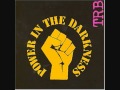
Tom Robinson’s Spotify BioThere were few punk-era, major-label performers as intensely creative and controversial as Tom Robinson. Cutting his teeth with folk-rockers Café Society (who released a Ray Davies-produced record on the head Kink's Konk label in 1975), Robinson roared into the spotlight in 1978 with a great single ("2-4-6-8 Motorway") and a much-ballyhooed contract with EMI. What was remarkable about this was that Robinson was the kind of politically conscious, confrontational performer that major labels generally ignored -- he was openly gay and sang about it ("Glad to Be Gay"); he was vociferous in his hatred for then-British Prime Minister Margaret Thatcher; he helped form Rock Against Racism; and he generally spoke in favor of any leftist political tract that would embarrass the ruling ultraconservative Tory government. His debut album, 1978's Power in the Darkness, was an occasionally stunning piece of punk/hard rock agitprop that, along with being ferociously direct, was politicized rock that… focused more on songs than slogans.
His second album, the Todd Rundgren-produced TRB Two, performed less well. By the end of the '70s, Robinson signed to maverick major I.R.S. as a solo act. In a wise move, he ditched the hard rock polemics of TRB for a more sophisticated pop/rock sound. A brief period of silence ended with him, somewhat surprisingly, signing with Geffen and releasing Hope and Glory. It was a politically tinged but mostly mainstream rock record that featured a cover of that decidedly non-punk song, Steely Dan's "Rikki Don't Lose That Number," with Robinson deftly exploring the song's homoerotic subtext. Still, it wasn't enough to resuscitate his career and for the remainder of the decade Robinson released U.K.-only albums while also hosting a radio show for the BBC, which started in 1986 on their World Service.
During the '90s, Robinson released a trio of albums for Cooking Vinyl -- Living in a Boom Time, Love Over Rage, and Having It Both Ways -- and saw himself performing at Glastonbury 1994. With a renewed interest in his music, the U.K. tabloids also delved into his personal life, revealing that he had fathered a child with Sue Brearley, whom he would later go on to marry. Robinson continued with his radio shows for the BBC, eventually becoming one of BBC 6 Music's stalwarts. In 2015, Robinson returned to the studio some 15 years after his 1999 album Home from Home, and the resulting Only the Now was released in October of that year. ~ John Dougan & Rich Wilson, Rovi
Viberate is a music analytics platform built for A&Rs, artist managers, labels, booking agents, marketers, and artists.
It helps music professionals track artist growth, analyze audience data, monitor playlist activity, compare artists, follow song performance, and identify opportunities across the music market.
Public artist pages provide a free preview of selected artist data. Paid plans provide access to deeper analytics, historical data, charts, comparisons, playlist tools, exports, alerts, reports, and additional professional features.
Yes. Public Viberate artist pages provide selected artist analytics and music data for free.
Viberate also offers a 7-day free trial of the full platform. A credit card is required to start the trial. The trial includes access to the complete product so users can test deeper artist analytics, historical views, playlist insights, comparisons, charts, exports, alerts, and reporting features before choosing a paid plan.
Viberate provides artist analytics across streaming, playlists, social media, video, radio airplay, songs, and audience markets.
Users can analyze Spotify performance, Spotify and Apple Music playlists, YouTube activity, TikTok and Instagram growth, radio spins, song performance, audience locations, demographics, rankings, and overall artist momentum.
Artist profiles also connect to music charts, similar artists, and comparison tools, helping users benchmark performance and evaluate artists in context.
Viberate updates key artist and track data daily.
For followed artists and tracks, selected data is refreshed multiple times per day. This helps teams monitor playlist changes, streaming movement, audience growth, releases, and campaign performance with more current data.
Update frequency can vary depending on the metric and data source.
Yes. Viberate lets users compare up to five artists side by side across streaming, social media, audience, and engagement metrics.
Users can compare fanbase growth, audience demographics, locations, Spotify performance, social metrics, and other artist data over selected time periods.
Artist comparison can be used for A&R scouting, benchmarking, booking decisions, campaign planning, and evaluating artists with similar audiences or market positions.