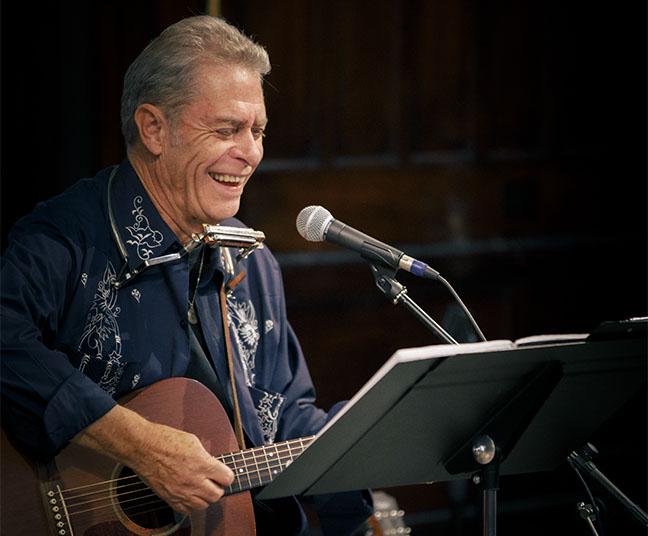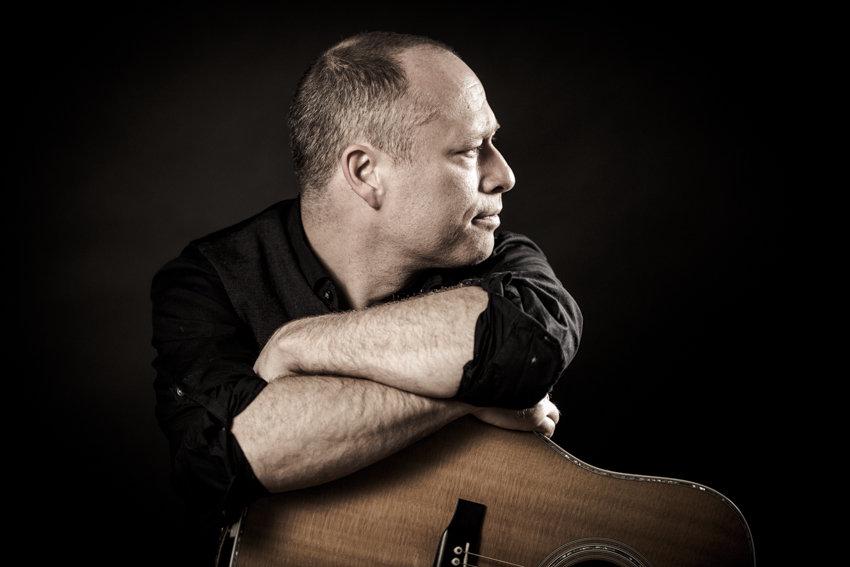
Tom Pacheco

Country
Americana/Alt Country
Folk Rock
 Viberate Rank: 586650
 Viberate Rank: 586650
 Monthly ListenersFollowers
 Subscribers
 Followers
 Followers
 FansTop Spotify Songs
| Track | 7-Day Streams | |
|---|---|---|
1 | 41 | |
2 | 25 | |
3 | 22 | |
4 | 21 | |
5 | 21 |
Top YouTube VideosMonthly ListenersFeatured in Playlists| Playlist | Followers | |
|---|---|---|
1 | Relaxing & Romantic Babak Tamjidi | 11.21K |
2 | Bygdefest mix 🤠 Jeanette Heia | 6.11K |
3 | Jævla bra countrymusikk Erik Valebrokk | 1.08K |
4 | dansemusikk norsk/svensk runeh69 | 1.04K |
Audience| City | Monthly Listeners | |
|---|---|---|
1 |  | 69 |
2 | | 22 |
3 | | 13 |
4 |  | 8 |
5 | | 7 |
See full performance history, audience data, playlist activity, rankings, comparisons, and more in Viberate music analytics. Start with a free trial, then continue with a paid plan.
Tom Pacheco’s Spotify BioAlthough he has had success in Europe, songwriter Tom Pacheco is virtually unknown in America, which is somewhat of a mystery, since his songs are frequently brilliant and have been covered by countless folk and country artists. Pacheco was born November 4, 1946, in New Bedford, Massachusetts, the son of jazz guitarist Tony Pacheco, and he had taken up his father's instrument by the time he was ten years old; by 19, he had released a solo album of original material, Turn Away from the Storm. He formed a psychedelic folk-rock group called the Ragamuffins, releasing a couple of singles before joining with Sharon Alexander in the group Euphoria, whose self-titled album was released by Heritage Records in 1969. Pacheco & Alexander followed in 1971 from CBS Records.
Pacheco signed with RCA for two solo records, Swallowed Up in the Great American Heart and The Outsider, both of which came out in 1976. Pacheco moved to Woodstock, New York, in 1978, where he formed a band for local gigs called… the Hellhounds, then relocated to Austin, TX in 1981, where he threw together another band called the Hellhounds before moving back to Woodstock in 1983 and reuniting the original Hellhounds. Always the gypsy, Pacheco moved to Nashville in 1986, then to Dublin, which was to be his base in Europe for the next decade, where he released several albums, including Eagle in the Rain (1989), Sunflowers & Scarecrows (1991), Tales from the Red Lake (1992), a duet album with Norwegian singer Steinar Albrigtsen called Big Storm Comin' (1993), and Luck of the Angels (1994).
Pacheco returned to Woodstock in 1997, recording what is arguably his finest album, Woodstock Winter, with producer and Band guitarist Jim Weider. The album was tracked at Levon Helm's studio and featured guest shots by several members of the Band, including Helm and Rick Danko. Although critically acclaimed, Woodstock Winter failed to find the large audience it deserved, and Pacheco remained a cult musician in the States. He continued to release albums in Europe, including an acoustic set called Bare Bones and Barbed Wire (1998), the appropriately titled The Lost American Songwriter (1999), again produced by Weider, and a second collaboration with Steinar Albrigtsen, Nobodies (2000).
In 2002, Appleseed Recordings released There Was a Time, and two more albums followed in 2004, Long Walk and a third Weider-produced set, Year of the Big. Pacheco's fan base remains strong in Europe, but he continues to be unsung in the United States, which is highly ironic, because Pacheco's voice and vision are as timelessly American (and at times as political) as Woody Guthrie. ~ Steve Leggett, Rovi
Viberate is a music analytics platform built for A&Rs, artist managers, labels, booking agents, marketers, and artists.
It helps music professionals track artist growth, analyze audience data, monitor playlist activity, compare artists, follow song performance, and identify opportunities across the music market.
Public artist pages provide a free preview of selected artist data. Paid plans provide access to deeper analytics, historical data, charts, comparisons, playlist tools, exports, alerts, reports, and additional professional features.
Yes. Public Viberate artist pages provide selected artist analytics and music data for free.
Viberate also offers a 7-day free trial of the full platform. A credit card is required to start the trial. The trial includes access to the complete product so users can test deeper artist analytics, historical views, playlist insights, comparisons, charts, exports, alerts, and reporting features before choosing a paid plan.
Viberate provides artist analytics across streaming, playlists, social media, video, radio airplay, songs, and audience markets.
Users can analyze Spotify performance, Spotify and Apple Music playlists, YouTube activity, TikTok and Instagram growth, radio spins, song performance, audience locations, demographics, rankings, and overall artist momentum.
Artist profiles also connect to music charts, similar artists, and comparison tools, helping users benchmark performance and evaluate artists in context.
Viberate updates key artist and track data daily.
For followed artists and tracks, selected data is refreshed multiple times per day. This helps teams monitor playlist changes, streaming movement, audience growth, releases, and campaign performance with more current data.
Update frequency can vary depending on the metric and data source.
Yes. Viberate lets users compare up to five artists side by side across streaming, social media, audience, and engagement metrics.
Users can compare fanbase growth, audience demographics, locations, Spotify performance, social metrics, and other artist data over selected time periods.
Artist comparison can be used for A&R scouting, benchmarking, booking decisions, campaign planning, and evaluating artists with similar audiences or market positions.