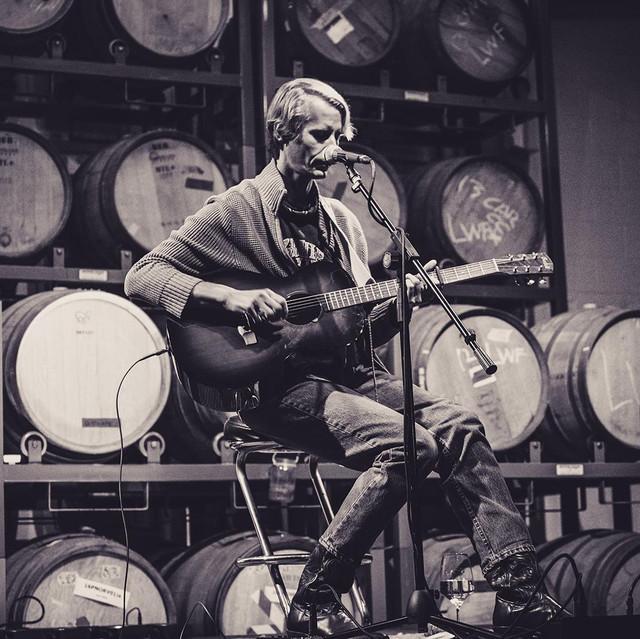
Tom Brosseau

Country
Americana/Alt Country
Indie Rock
 Viberate Rank: 290847
 Viberate Rank: 290847
 Monthly ListenersFollowers
 Subscribers
 Followers
 Followers
 FansTop Spotify Songs
| Track | 7-Day Streams | |
|---|---|---|
1 | 672 | |
2 | 282 | |
3 | 264 | |
4 | 65 | |
5 | 62 |
Top YouTube VideosMonthly ListenersFeatured in Playlists| Playlist | Followers | |
|---|---|---|
1 |  The Wilds Spotify | 674.73K |
2 |  NPR All Songs Considered - The Bob Boilen years (unofficial) Fri Tsch | 30.02K |
3 |  Love - TV Soundtrack (A Netflix Original Series) Tyler Ortega | 28.04K |
4 |  ☽ Witching Hour ☾ Emma Berg | 19.30K |
5 |  Love (Netflix) Soundtrack r | 15.21K |
Audience| City | Monthly Listeners | |
|---|---|---|
1 |  | 75 |
2 | | 63 |
3 | | 63 |
4 | | 59 |
5 | | 44 |
See full performance history, audience data, playlist activity, rankings, comparisons, and more in Viberate music analytics. Start with a free trial, then continue with a paid plan.
Tom Brosseau’s Spotify BioGrand Forks, North Dakota native Tom Brosseau grew up with music, listening to Marty Robbins, Bob Dylan, Pablo Casals, and Lead Belly, with a bluegrass-playing grandmother who taught him the guitar and a grandfather who had a band and a large record collection. After graduating from the University of North Dakota, Brosseau enrolled in music school but dropped out after only a few weeks, feeling that music theory classes took the fun out of playing. Instead, he started performing at open-mike nights around Grand Forks, and eventually moved to San Diego, California, where he was introduced to musician Gregory Page, who ended up recording and producing much of Brosseau's early material. Brosseau's first album, North Dakota, came out in 2002, followed by 2004's Late Night at Largo, recorded after-hours at a club where he frequently played in Los Angeles (his new hometown). The next year, Loveless Records issued What I Mean to Say Is Goodbye, followed in 2006 by Tom Brosseau, a re-release… of older material. Continuing with that same idea in 2006, Brosseau, with help from the British Fat Cat label, also released Empty Houses Are Lonely, whose songs were pulled from three of his previous records.
In 2007, he released Grand Forks, an album inspired by the flood that hit his hometown in 1997. That same year he released the spare Cavalier. Brosseau returned in 2009 with Posthumous Success, which featured more of his signature indie folk, this time fleshed out with various instruments for a more indie rock sound. The following year he collaborated with vocalist Angela Correa on their eponymous duo album Les Shelleys. In 2011, Brosseau appeared on several Jack White-produced 7" singles, including actor/singer John C. Reilly's "Gonna Lay Down My Old Guitar"/"Lonesome Yodel Blues #2" and his own "John & Tom," both released on White's Third Man Records. Brosseau next made his feature film debut in director Andrew van Baal's 2012 effort, Wonder Valley, and in 2014 he delivered his seventh studio album, Grass Punks. With Grass Punks, he began a trilogy of similarly themed works based on memory. For his follow-up, Brosseau traveled to Bristol, England in order to work with producer John Parish and engineer Ali Chant. Recording in mono with a small band, he emerged with ten songs that became 2015's Perfect Abandon. It was followed a year later by North Dakota Impressions, the third LP in his memory trilogy. Brousseau followed it with 2017's Treasures Untold, a live date captured at a private event in Cologne, Germany. Performing with just his guitar as accompaniment, the set included six originals and four American standards including Hank Williams' "You Win Again" and Jimmie Rodgers' title cut. ~ Marisa Brown, Rovi
Viberate is a music analytics platform built for A&Rs, artist managers, labels, booking agents, marketers, and artists.
It helps music professionals track artist growth, analyze audience data, monitor playlist activity, compare artists, follow song performance, and identify opportunities across the music market.
Public artist pages provide a free preview of selected artist data. Paid plans provide access to deeper analytics, historical data, charts, comparisons, playlist tools, exports, alerts, reports, and additional professional features.
Yes. Public Viberate artist pages provide selected artist analytics and music data for free.
Viberate also offers a 7-day free trial of the full platform. A credit card is required to start the trial. The trial includes access to the complete product so users can test deeper artist analytics, historical views, playlist insights, comparisons, charts, exports, alerts, and reporting features before choosing a paid plan.
Viberate provides artist analytics across streaming, playlists, social media, video, radio airplay, songs, and audience markets.
Users can analyze Spotify performance, Spotify and Apple Music playlists, YouTube activity, TikTok and Instagram growth, radio spins, song performance, audience locations, demographics, rankings, and overall artist momentum.
Artist profiles also connect to music charts, similar artists, and comparison tools, helping users benchmark performance and evaluate artists in context.
Viberate updates key artist and track data daily.
For followed artists and tracks, selected data is refreshed multiple times per day. This helps teams monitor playlist changes, streaming movement, audience growth, releases, and campaign performance with more current data.
Update frequency can vary depending on the metric and data source.
Yes. Viberate lets users compare up to five artists side by side across streaming, social media, audience, and engagement metrics.
Users can compare fanbase growth, audience demographics, locations, Spotify performance, social metrics, and other artist data over selected time periods.
Artist comparison can be used for A&R scouting, benchmarking, booking decisions, campaign planning, and evaluating artists with similar audiences or market positions.