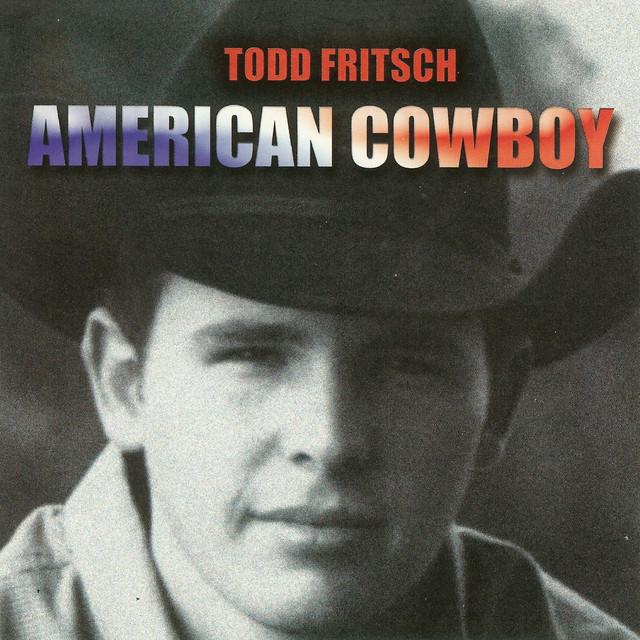
Todd Fritsch

Country
Contemporary Country
Americana/Alt Country
 Viberate Rank: 329580
 Viberate Rank: 329580
 Monthly ListenersFollowers
 Subscribers
 Followers
 Followers
 FansTop Spotify Songs
| Track | 7-Day Streams | |
|---|---|---|
1 | 1.05K | |
2 | 720 | |
3 | 181 | |
4 | 42 | |
5 | 39 |
Top YouTube VideosMonthly ListenersFeatured in Playlists| Playlist | Followers | |
|---|---|---|
1 | 2026 Texas Country & Red Dirt Bryn Janca | 6.62K |
2 |  Cowboy Country Ty Hickey | 4.04K |
3 | Country Music Jacob Sargent | 2.55K |
4 | Rodeo cowboy songs Michael Mccowan Jr. | 2.36K |
5 | Old country and classic rock Dyson | 1.60K |
Audience| City | Monthly Listeners | |
|---|---|---|
1 | | 275 |
2 | | 244 |
3 | | 210 |
4 | | 208 |
5 |  | 123 |
See full performance history, audience data, playlist activity, rankings, comparisons, and more in Viberate music analytics. Start with a free trial, then continue with a paid plan.
Todd Fritsch’s Spotify BioPlenty of country singers act like they're cowboys, but Todd Fritsch doesn't have to pretend -- when he's not on the road or in the studio, Fritsch helps run his family's Texas cattle ranch, and he helps raise up to 40,000 head of cattle each year when not busy performing his brand of traditional honky tonk music. Fritsch was born in 1981 in Willow Springs, a rural community west of Houston; at the age of 14 he became interested in music, and started singing in local talent competitions with his sister. Music was one of many interests (including sports and horses) that occupied Fritsch when he attended high school in Fayetteville, but after completing college he rediscovered his enthusiasm for music and began singing again, as well as writing songs. Fritsch began playing the Texas honky tonk circuit, and in 2005 he released his self-titled debut album, which earned him some nationwide radio airplay for the song "Small Town Radio." Fritsch's second album, Sawdust, arrived in 2007,… followed by significant touring both in the United States and Europe. ~ Mark Deming, Rovi
Viberate is a music analytics platform built for A&Rs, artist managers, labels, booking agents, marketers, and artists.
It helps music professionals track artist growth, analyze audience data, monitor playlist activity, compare artists, follow song performance, and identify opportunities across the music market.
Public artist pages provide a free preview of selected artist data. Paid plans provide access to deeper analytics, historical data, charts, comparisons, playlist tools, exports, alerts, reports, and additional professional features.
Yes. Public Viberate artist pages provide selected artist analytics and music data for free.
Viberate also offers a 7-day free trial of the full platform. A credit card is required to start the trial. The trial includes access to the complete product so users can test deeper artist analytics, historical views, playlist insights, comparisons, charts, exports, alerts, and reporting features before choosing a paid plan.
Viberate provides artist analytics across streaming, playlists, social media, video, radio airplay, songs, and audience markets.
Users can analyze Spotify performance, Spotify and Apple Music playlists, YouTube activity, TikTok and Instagram growth, radio spins, song performance, audience locations, demographics, rankings, and overall artist momentum.
Artist profiles also connect to music charts, similar artists, and comparison tools, helping users benchmark performance and evaluate artists in context.
Viberate updates key artist and track data daily.
For followed artists and tracks, selected data is refreshed multiple times per day. This helps teams monitor playlist changes, streaming movement, audience growth, releases, and campaign performance with more current data.
Update frequency can vary depending on the metric and data source.
Yes. Viberate lets users compare up to five artists side by side across streaming, social media, audience, and engagement metrics.
Users can compare fanbase growth, audience demographics, locations, Spotify performance, social metrics, and other artist data over selected time periods.
Artist comparison can be used for A&R scouting, benchmarking, booking decisions, campaign planning, and evaluating artists with similar audiences or market positions.