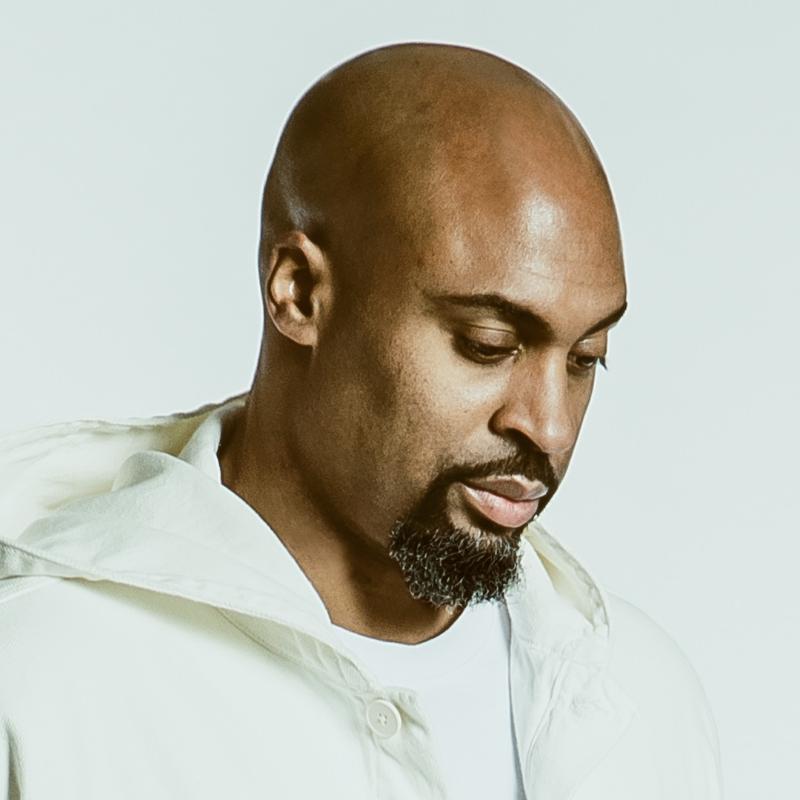
Todd Dulaney

Religious
Christian Music
Gospel
 Viberate Rank: 17612
 Viberate Rank: 17612
 Monthly ListenersFollowers
 Subscribers
 Followers
 Followers
 FansTop Spotify Songs
| Track | 7-Day Streams | |
|---|---|---|
1 | 60.99K | |
2 | 55.97K | |
3 | 38.06K | |
4 | 32.59K | |
5 | 20.96K |
Top YouTube Videos| Video | 7-Day Views | |
|---|---|---|
1 | 118.33K | |
2 | 72.90K | |
3 | 16.12K | |
4 | 14.22K | |
5 | 10.45K |
Monthly ListenersFeatured in Playlists| Playlist | Followers | |
|---|---|---|
1 |  Spread the Gospel Spotify | 347.02K |
2 |  Gospel Hits 2026 SOZO Playlists | 160.02K |
3 | Gospel 💫 swag | 156.82K |
4 |  Gospel Worship Spotify | 125.37K |
5 | Black Gospel Praise and Worship diywithme772 | 81.53K |
Audience| City | Monthly Listeners | |
|---|---|---|
1 |  | 21.86K |
2 |  | 15.45K |
3 | | 10.41K |
4 |  | 10.20K |
5 |  | 9.00K |
See full performance history, audience data, playlist activity, rankings, comparisons, and more in Viberate music analytics. Start with a free trial, then continue with a paid plan.
Todd Dulaney’s Spotify BioGospel/worship artist Todd Dulaney is noted for his smooth classic soul delivery and contemporary arranging and songwriting styles. After singing backup for Smokie Norful and others, he released his debut album, Pulling Me Through, in 2013. He went on to top the Billboard gospel albums chart with both 2016's A Worshipper's Heart and 2018's Your Great Name. Dulaney's fifth full-length, Anthems & Glory, relied heavily on scripture for its message.
Born and raised in Maywood, Illinois, and singing from a young age, Dulaney spent much of his youth aspiring to a career in baseball, eventually playing for Wabash Valley College in Mount Carmel, Illinois. From college, he was drafted by MLB's New York Mets in 2002 and spent five (non-consecutive) years playing professional minor-league baseball. During that span, he continued to devote energies to ministry and singing. He ultimately accepted an invitation to tour with Grammy-winning gospel artist Smokie Norful as a backup singer, and built a… performance résumé working with other artists including but not limited to Fred Hammond, Donnie McClurkin, and Michelle Williams.
In 2011, Dulaney issued his solo debut, Pulling Me Through, which appeared on the Billboard Top Gospel Albums chart in 2013 after receiving a label release with Gold Street Gospel Entertainment. The album led to a record deal with Entertainment One, which released his gospel-charting version of "The Anthem" (already known to praise & worship fans as a hit by Australia's the Planetshakers) in 2015. The song appeared on his sophomore outing, A Worshipper's Heart, delivered in April 2016. It reached number one on Billboard's Top Gospel Albums chart. 2018 saw the release of Dulaney's third full-length, Your Great Name, which marked his second gospel number one.
Dulaney's next long-player, To Africa with Love, was recorded live in Cape Town, South Africa and featured appearances from Nicole Harris, Illia Jackson, and South African gospel singer Lebohang Kgapola. Issued in 2019, it reached as high as number two on the gospel albums chart. With lyrics drawing from scripture, Anthems & Glory followed on eOne in 2021. ~ Marcy Donelson, Rovi
Viberate is a music analytics platform built for A&Rs, artist managers, labels, booking agents, marketers, and artists.
It helps music professionals track artist growth, analyze audience data, monitor playlist activity, compare artists, follow song performance, and identify opportunities across the music market.
Public artist pages provide a free preview of selected artist data. Paid plans provide access to deeper analytics, historical data, charts, comparisons, playlist tools, exports, alerts, reports, and additional professional features.
Yes. Public Viberate artist pages provide selected artist analytics and music data for free.
Viberate also offers a 7-day free trial of the full platform. A credit card is required to start the trial. The trial includes access to the complete product so users can test deeper artist analytics, historical views, playlist insights, comparisons, charts, exports, alerts, and reporting features before choosing a paid plan.
Viberate provides artist analytics across streaming, playlists, social media, video, radio airplay, songs, and audience markets.
Users can analyze Spotify performance, Spotify and Apple Music playlists, YouTube activity, TikTok and Instagram growth, radio spins, song performance, audience locations, demographics, rankings, and overall artist momentum.
Artist profiles also connect to music charts, similar artists, and comparison tools, helping users benchmark performance and evaluate artists in context.
Viberate updates key artist and track data daily.
For followed artists and tracks, selected data is refreshed multiple times per day. This helps teams monitor playlist changes, streaming movement, audience growth, releases, and campaign performance with more current data.
Update frequency can vary depending on the metric and data source.
Yes. Viberate lets users compare up to five artists side by side across streaming, social media, audience, and engagement metrics.
Users can compare fanbase growth, audience demographics, locations, Spotify performance, social metrics, and other artist data over selected time periods.
Artist comparison can be used for A&R scouting, benchmarking, booking decisions, campaign planning, and evaluating artists with similar audiences or market positions.