TOAL

Electronic
Other Electronic Music
 Viberate Rank: 291183
 Viberate Rank: 291183
 Monthly ListenersFollowers
 Subscribers
 Followers
 Followers
 FansTop Spotify Songs
| Track | 7-Day Streams | |
|---|---|---|
1 | 4.96K | |
2 | 1.75K | |
3 | 547 | |
4 | 525 | |
5 | 423 |
Top YouTube VideosMonthly ListenersFeatured in Playlists| Playlist | Followers | |
|---|---|---|
1 |  Cybergoth / Electro industrial / Dark Electro / Aggrotech Daren | 8.54K |
2 |  DARKWAVE darkTunes | 7.26K |
3 |  Gothy Dark Electro Dance Club Sin Fox | 6.20K |
4 |  Gothic Club Party Tennrich | 3.92K |
5 |  Dark Wave Gothic EBM JanM | 3.67K |
Audience| City | Monthly Listeners | |
|---|---|---|
1 | | 375 |
2 | | 253 |
3 | | 208 |
4 | | 197 |
5 | | 196 |
See full performance history, audience data, playlist activity, rankings, comparisons, and more in Viberate music analytics. Start with a free trial, then continue with a paid plan.
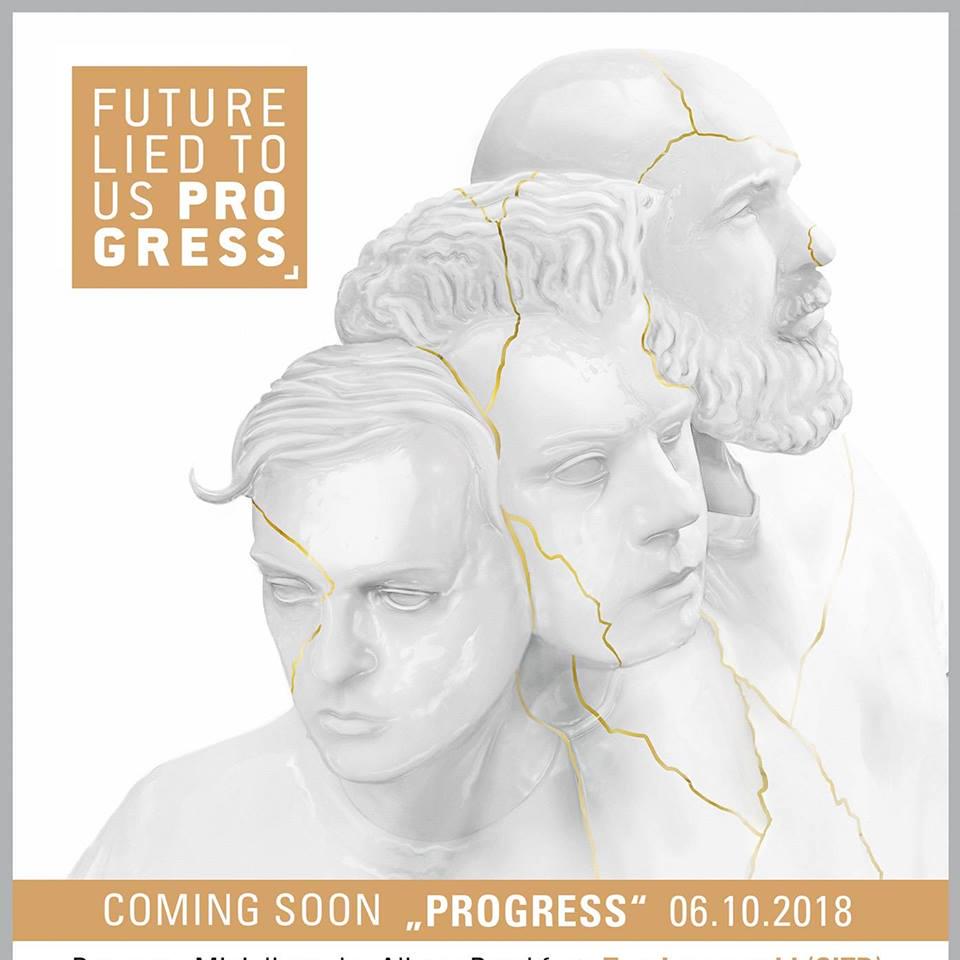
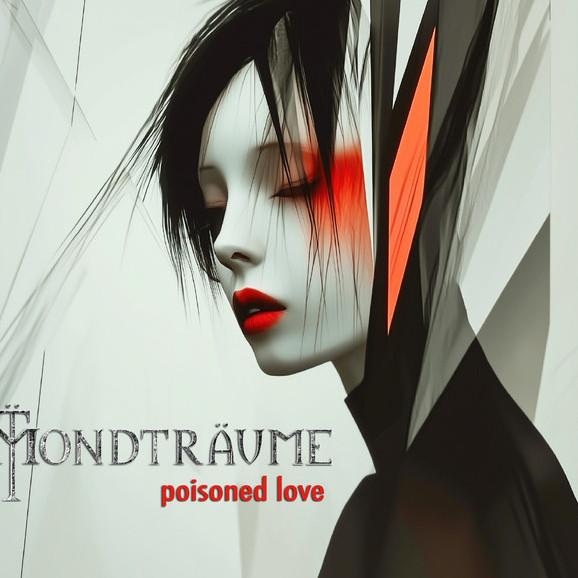
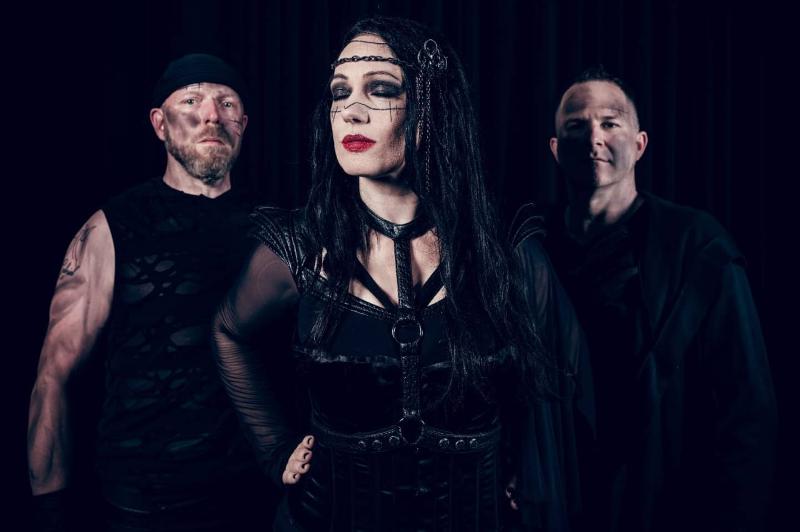
TOAL’s Spotify BioDark synth soundscapes caress her body, pumping basses break the silence, the deep beat of the night accompanies her every step. The heartbeat of longed-for liberation throbs in her chest, waiting to break the chains of emotional captivity. Luzi Lacole's fiery voice ignites the longing for a common path, a new beginning, a campaign against mechanized petrifactions. TOAL's multi-faceted style can be classified into three differing genres. A mystical-spherical NewAge ambient mix meets dark post-apocalyptic end-time industrial.
Varying TOAL refine their sound landscape partially with Dark Electro, Dubstep and Witchhouse influences. The musical origins of the individual band members allow the listener enormous scope for their own interpretations due to their individuality. In short, the songs deal with the reality of the soul, with the longing for being alive, for truth and for hope.
TOAL started in autumn 2017, when the 4 musicians met for the first time. The musicians from Braunschweig and… Herford didn't know each other well yet, but the search for alternatives to their current projects gave the joint impulse. It was about time to create something with their music, to share something, to be able to change something.
Luzi Lacole, who trained as a vocalist with Mina Harker, has been playing in a gospel choir and various rock cover bands since 2009. She successfully entered the electronic music scene in 2017 as keyboarder, dancer and singer of the band SYNTHATTACK.
Viberate is a music analytics platform built for A&Rs, artist managers, labels, booking agents, marketers, and artists.
It helps music professionals track artist growth, analyze audience data, monitor playlist activity, compare artists, follow song performance, and identify opportunities across the music market.
Public artist pages provide a free preview of selected artist data. Paid plans provide access to deeper analytics, historical data, charts, comparisons, playlist tools, exports, alerts, reports, and additional professional features.
Yes. Public Viberate artist pages provide selected artist analytics and music data for free.
Viberate also offers a 7-day free trial of the full platform. A credit card is required to start the trial. The trial includes access to the complete product so users can test deeper artist analytics, historical views, playlist insights, comparisons, charts, exports, alerts, and reporting features before choosing a paid plan.
Viberate provides artist analytics across streaming, playlists, social media, video, radio airplay, songs, and audience markets.
Users can analyze Spotify performance, Spotify and Apple Music playlists, YouTube activity, TikTok and Instagram growth, radio spins, song performance, audience locations, demographics, rankings, and overall artist momentum.
Artist profiles also connect to music charts, similar artists, and comparison tools, helping users benchmark performance and evaluate artists in context.
Viberate updates key artist and track data daily.
For followed artists and tracks, selected data is refreshed multiple times per day. This helps teams monitor playlist changes, streaming movement, audience growth, releases, and campaign performance with more current data.
Update frequency can vary depending on the metric and data source.
Yes. Viberate lets users compare up to five artists side by side across streaming, social media, audience, and engagement metrics.
Users can compare fanbase growth, audience demographics, locations, Spotify performance, social metrics, and other artist data over selected time periods.
Artist comparison can be used for A&R scouting, benchmarking, booking decisions, campaign planning, and evaluating artists with similar audiences or market positions.