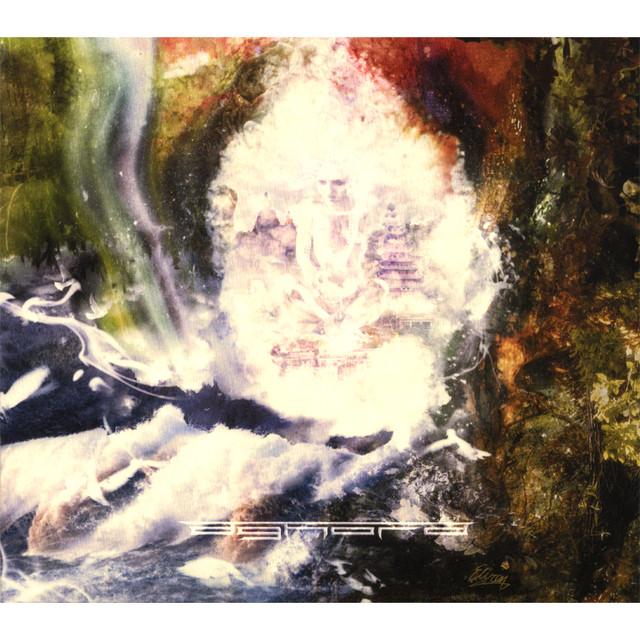
To-Mera

Metal
Progressive Metal
 Viberate Rank: 370667
 Viberate Rank: 370667
 Monthly ListenersFollowers
 Subscribers
 Followers
 Followers
 FansTop Spotify Songs
| Track | 7-Day Streams | |
|---|---|---|
1 | 94 | |
2 | 54 | |
3 | 51 | |
4 | 36 | |
5 | 36 |
Top YouTube VideosMonthly ListenersFeatured in Playlists| Playlist | Followers | |
|---|---|---|
1 |  Female Fronted Metal Tennrich | 23.86K |
2 |  Drum Solo Jesus Delgado | 4.39K |
3 |  Gothic/Symphonic Metal Bengan Bengtsson | 3.67K |
4 | Metal Goddesses terkein | 1.22K |
Audience| City | Monthly Listeners | |
|---|---|---|
1 |  | 22 |
2 |  | 10 |
3 |  | 10 |
4 |  | 7 |
5 |  | 6 |
See full performance history, audience data, playlist activity, rankings, comparisons, and more in Viberate music analytics. Start with a free trial, then continue with a paid plan.
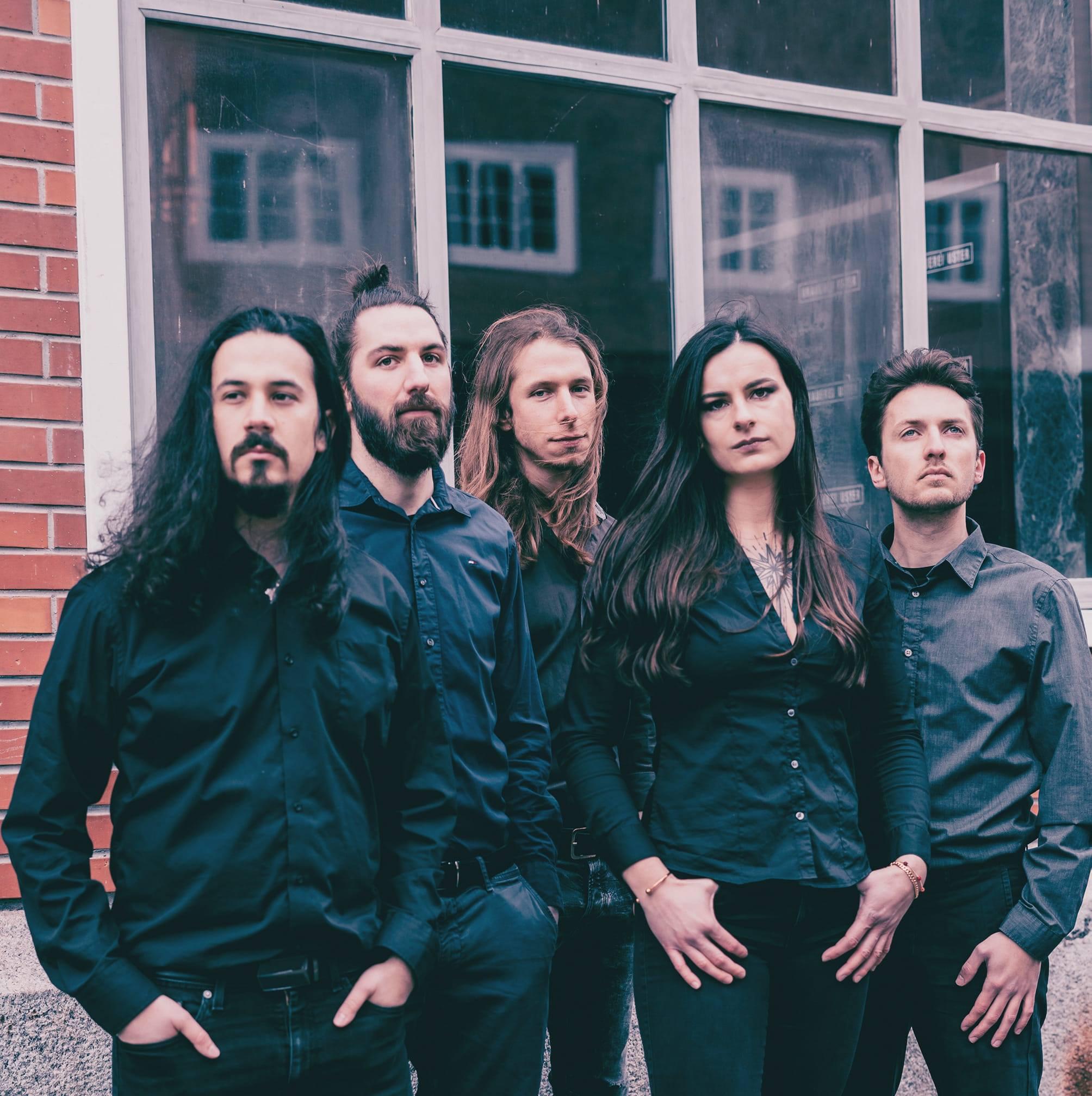
To-Mera’s Spotify BioStylistically, the part-British, part-Hungarian band To-Mera have not been easy to categorize. Most of their fans would agree that they fall into the metal category, but the band has not been affected by one type of metal exclusively; To-Mera's adventurous and experimental work has been described as everything from progressive metal to goth metal to alternative metal, and they have also incorporated elements of death metal and black metal. But To-Mera's influences have by no means been limited to metal. Metal-wise, they have been influenced by everyone from Dream Theater and Symphony X to Dark Funeral, Meshuggah, Opeth, and Lacuna Coil, but they also have non-metal influences that include jazz, European classical music, East European folk, and world music. Directly or indirectly, To-Mera's experimentation owes something to non-headbangers who range from Yes to Tori Amos to Chick Corea's 1970s fusion powerhouse Return to Forever. Very few metal bands have been serious about… incorporating jazz elements, but electric fusion and acoustic, straight-ahead post-bop have both left their mark on To-Mera's material.
To-Mera were founded in South Oxfordshire, England, in early 2004 by Hungarian vocalist Julie Kiss (who was born in the early '80s and favors an ethereal, angelic vocal style that owes a lot to goth rock and goth metal) and British bassist Lee Barrett; the band's name reflected Kiss' interest in Egyptology. Kiss was a former lead vocalist for Without Face (a Hungarian goth metal band that was formed in 1997), while Barrett was best known for his contributions to Extreme Noise Terror but also had alternative metal combo Disgust and the industrial-oriented Mussolini Headkick on his résumé. Kiss and Barrett soon recruited Hungarian drummer Akos Pirisi, and guitarist Tom MacLean (formerly of the bands Forlorn Hope and Fubar) was hired after talking to Kiss at a Dillinger Escape Plan concert in London; MacLean explained to Kiss that he had been a big admirer of her contributions to Without Face, and she decided that they were on the same page musically. During the summer of 2005, To-Mera's Kiss/Barrett/MacLean/Pirisi lineup recorded the band's first demo, which was mixed by producer Brett Caldas-Lima in France.
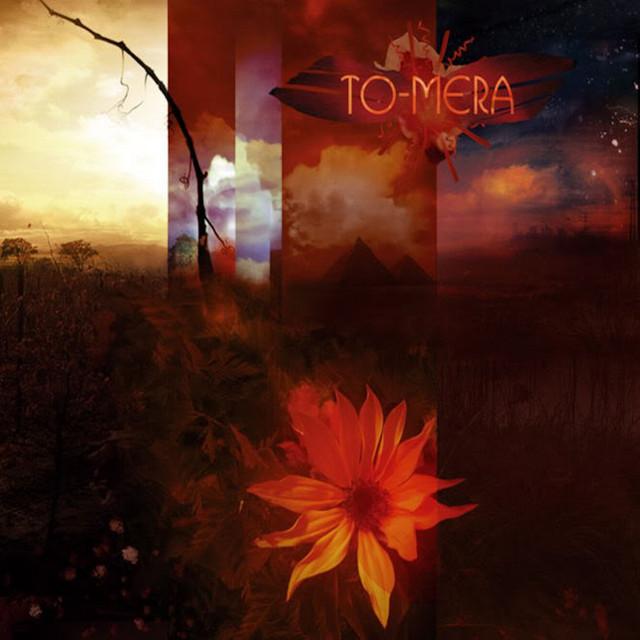
Not long after recording that demo, To-Mera became a quintet with the addition of Hugo Sheppard on keyboards. To-Mera's first demo led to a deal with Candlelight Records, and they recorded their official debut album, Transcendental (which reunited them with Caldas-Lima), for Candlelight in 2006. It was also in 2006 that Pirisi left his position as To-Mera's drummer and was replaced by Paul Westwood, who had been a member of the London-based band Foe. And when Sheppard left To-Mera in 2007, Hen (who had been with the band Haken) was hired as To-Mera's new keyboardist. Not long after Candlelight released To-Mera's second album, Delusions, in early 2008, co-founder Barrett announced his departure from the outfit; Mark Harrington (who had been with a London-based band called Demagogue) was hired as To-Mera's new bassist. ~ Alex Henderson, Rovi
Viberate is a music analytics platform built for A&Rs, artist managers, labels, booking agents, marketers, and artists.
It helps music professionals track artist growth, analyze audience data, monitor playlist activity, compare artists, follow song performance, and identify opportunities across the music market.
Public artist pages provide a free preview of selected artist data. Paid plans provide access to deeper analytics, historical data, charts, comparisons, playlist tools, exports, alerts, reports, and additional professional features.
Yes. Public Viberate artist pages provide selected artist analytics and music data for free.
Viberate also offers a 7-day free trial of the full platform. A credit card is required to start the trial. The trial includes access to the complete product so users can test deeper artist analytics, historical views, playlist insights, comparisons, charts, exports, alerts, and reporting features before choosing a paid plan.
Viberate provides artist analytics across streaming, playlists, social media, video, radio airplay, songs, and audience markets.
Users can analyze Spotify performance, Spotify and Apple Music playlists, YouTube activity, TikTok and Instagram growth, radio spins, song performance, audience locations, demographics, rankings, and overall artist momentum.
Artist profiles also connect to music charts, similar artists, and comparison tools, helping users benchmark performance and evaluate artists in context.
Viberate updates key artist and track data daily.
For followed artists and tracks, selected data is refreshed multiple times per day. This helps teams monitor playlist changes, streaming movement, audience growth, releases, and campaign performance with more current data.
Update frequency can vary depending on the metric and data source.
Yes. Viberate lets users compare up to five artists side by side across streaming, social media, audience, and engagement metrics.
Users can compare fanbase growth, audience demographics, locations, Spotify performance, social metrics, and other artist data over selected time periods.
Artist comparison can be used for A&R scouting, benchmarking, booking decisions, campaign planning, and evaluating artists with similar audiences or market positions.