Title Fight

Rock
Alternative Rock
Indie Rock
 Viberate Rank: 6172
 Viberate Rank: 6172
 Monthly ListenersFollowers
 Subscribers
 Followers
 Followers
 FansTop Spotify Songs
| Track | 7-Day Streams | |
|---|---|---|
1 | 929.09K | |
2 | 616.92K | |
3 | 312.59K | |
4 | 299.74K | |
5 | 257.04K |
Top YouTube VideosMonthly ListenersFeatured in Playlists| Playlist | Followers | |
|---|---|---|
1 |  10s Rock Anthems Spotify | 1.11M |
2 |  GYM MUSIC 2026 - Heavy Lifting💪 Music-Hits_. | 866.72K |
3 |  ALLURE Spotify | 420.93K |
4 |  IRL ANGEL Spotify | 269.91K |
5 |  Hip-Hop and Play PlayStation®️ | 224.73K |
Audience| City | Monthly Listeners | |
|---|---|---|
1 | | 77.40K |
2 | | 61.79K |
3 | | 52.85K |
4 | | 50.14K |
5 | | 47.03K |
See full performance history, audience data, playlist activity, rankings, comparisons, and more in Viberate music analytics. Start with a free trial, then continue with a paid plan.
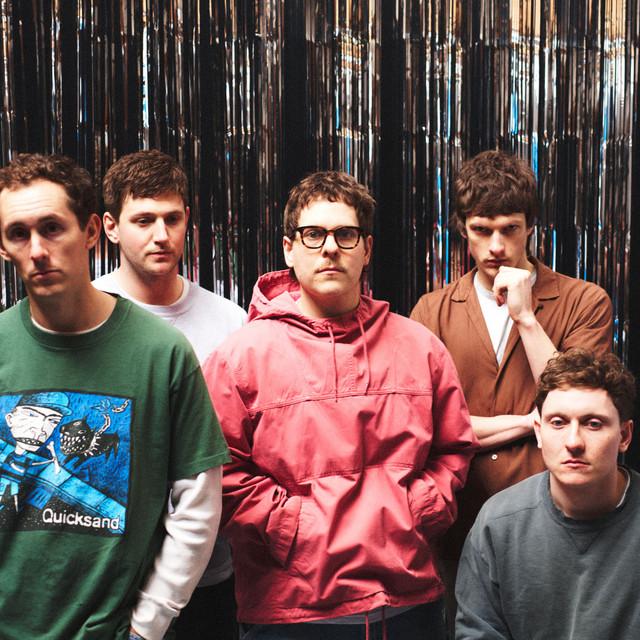
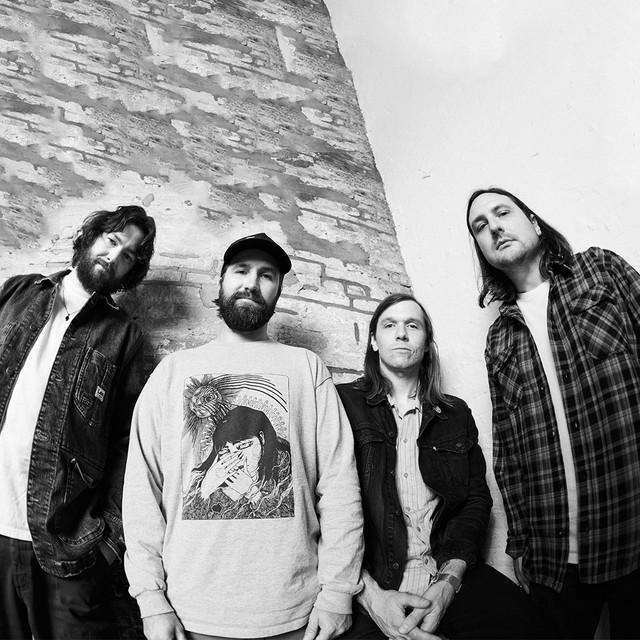
Title Fight’s Spotify BioFormed in 2003 in Kingston, Pennsylvania, Title Fight serves as a throwback to the early days of emo and post-hardcore, combining a driving, guitar-driven sound with anxious and gravelly hardcore vocals. The group initially formed as a trio consisting of Jamie Rhoden on guitar and vocals, as well as twin brothers Ned Russin and Ben Russin on bass and drums, eventually adding guitarist Shane Moran in 2005. The band released a number of singles and EPs that would eventually be compiled on 2009’s The Last Thing You Forget, released on Run for Cover. In 2011 the band signed on with SideOneDummy Records, and set to work on their proper full-length debut. Wanting to do things right, Title Fight turned to hardcore mainstay Walter Schreifels (formerly of Youth of Today and Gorilla Biscuits) to produce their album, and later that year released the Billboard-charting Shed. A hectic and successful year of touring followed its release as the band toured the U.S., Europe, and Australia with bands… like Rise Against and Touché Amoré. They followed up with the Will Yip-produced Floral Green in 2012 before leaving SideOneDummy. A 2013 EP called Spring Songs was released by Revelation Records and in 2014 Title Fight announced that they had signed with ANTI Records to release their third LP 2015's Hypervision. ~ Gregory Heaney & Timothy Monger, Rovi
Viberate is a music analytics platform built for A&Rs, artist managers, labels, booking agents, marketers, and artists.
It helps music professionals track artist growth, analyze audience data, monitor playlist activity, compare artists, follow song performance, and identify opportunities across the music market.
Public artist pages provide a free preview of selected artist data. Paid plans provide access to deeper analytics, historical data, charts, comparisons, playlist tools, exports, alerts, reports, and additional professional features.
Yes. Public Viberate artist pages provide selected artist analytics and music data for free.
Viberate also offers a 7-day free trial of the full platform. A credit card is required to start the trial. The trial includes access to the complete product so users can test deeper artist analytics, historical views, playlist insights, comparisons, charts, exports, alerts, and reporting features before choosing a paid plan.
Viberate provides artist analytics across streaming, playlists, social media, video, radio airplay, songs, and audience markets.
Users can analyze Spotify performance, Spotify and Apple Music playlists, YouTube activity, TikTok and Instagram growth, radio spins, song performance, audience locations, demographics, rankings, and overall artist momentum.
Artist profiles also connect to music charts, similar artists, and comparison tools, helping users benchmark performance and evaluate artists in context.
Viberate updates key artist and track data daily.
For followed artists and tracks, selected data is refreshed multiple times per day. This helps teams monitor playlist changes, streaming movement, audience growth, releases, and campaign performance with more current data.
Update frequency can vary depending on the metric and data source.
Yes. Viberate lets users compare up to five artists side by side across streaming, social media, audience, and engagement metrics.
Users can compare fanbase growth, audience demographics, locations, Spotify performance, social metrics, and other artist data over selected time periods.
Artist comparison can be used for A&R scouting, benchmarking, booking decisions, campaign planning, and evaluating artists with similar audiences or market positions.