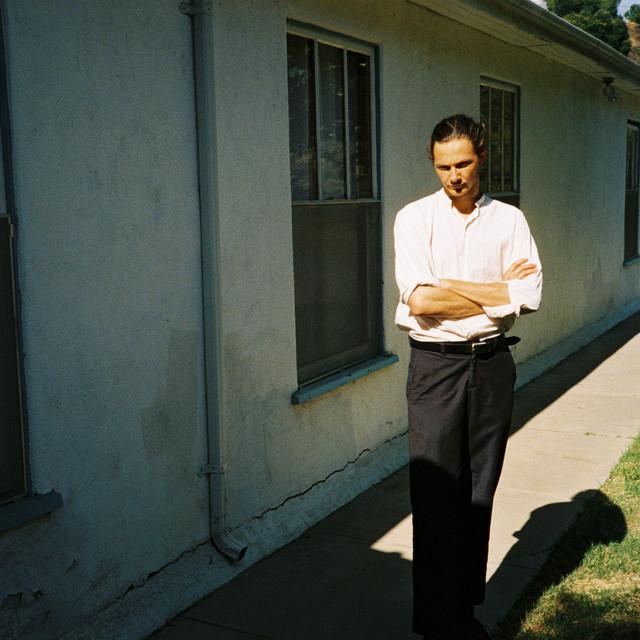
Tired Pony

Rock
Folk Rock
Indie Folk
 Viberate Rank: 128532
 Viberate Rank: 128532
 Monthly ListenersFollowers
 Subscribers
 Followers
 Followers
 FansTop Spotify Songs
| Track | 7-Day Streams | |
|---|---|---|
1 | 10.69K | |
2 | 5.36K | |
3 | 2.49K | |
4 | 972 | |
5 | 758 |
Top YouTube VideosMonthly ListenersFeatured in Playlists| Playlist | Followers | |
|---|---|---|
1 |  sad songs / crying myself to sleep / 😢 indiemono | 456.23K |
2 |  Millennial Life Crisis Mike Price | 67.36K |
3 |  Shameless Soundtrack - Music from the Showtime TV Series Excelsior Recordings | 60.42K |
4 |  Night Drive nisseknudsen | 30.16K |
5 |  Beards & Flannel hoodanga | 26.68K |
Audience| City | Monthly Listeners | |
|---|---|---|
1 |  | 1.42K |
2 |  | 721 |
3 | | 717 |
4 |  | 579 |
5 | | 574 |
See full performance history, audience data, playlist activity, rankings, comparisons, and more in Viberate music analytics. Start with a free trial, then continue with a paid plan.
Tired Pony’s Spotify BioFormed by Snow Patrol's Gary Lightbody as an outlet for his fascination with country music, Tired Pony began taking shape in May 2009. By October, the solo project had grown into a full-fledged supergroup featuring another Snow Patrol veteran, Iain Archer, his wife Miriam Kaufmann, producer/musician Jacknife Lee, Belle & Sebastian percussionist Richard Colburn, auxiliary R.E.M. member Scott McCaughey, and Troy Stewart. Peter Buck joined several months later, and Tired Pony traveled to Portland in early 2010 to record their debut album. Featuring guest appearances by Zooey Deschanel, M. Ward, and Editors frontman Tom Smith, The Place We Ran From was finished in one week and released later that year.
The album was well received by many fans and the supergroup subsequently went on tour in both the U.K. and across America. Lightbody reassembled Tired Pony in 2012 and began writing music for their sophomore record. They retreated to Jacknife Lee's California-based home studio, where they… recorded the tracks for The Ghost of the Mountain. The album arrived in 2013 and featured a small number of guest appearances, including vocalist Bronagh Gallagher and actress Minnie Driver. ~ Andrew Leahey & Scott Kerr, Rovi
Viberate is a music analytics platform built for A&Rs, artist managers, labels, booking agents, marketers, and artists.
It helps music professionals track artist growth, analyze audience data, monitor playlist activity, compare artists, follow song performance, and identify opportunities across the music market.
Public artist pages provide a free preview of selected artist data. Paid plans provide access to deeper analytics, historical data, charts, comparisons, playlist tools, exports, alerts, reports, and additional professional features.
Yes. Public Viberate artist pages provide selected artist analytics and music data for free.
Viberate also offers a 7-day free trial of the full platform. A credit card is required to start the trial. The trial includes access to the complete product so users can test deeper artist analytics, historical views, playlist insights, comparisons, charts, exports, alerts, and reporting features before choosing a paid plan.
Viberate provides artist analytics across streaming, playlists, social media, video, radio airplay, songs, and audience markets.
Users can analyze Spotify performance, Spotify and Apple Music playlists, YouTube activity, TikTok and Instagram growth, radio spins, song performance, audience locations, demographics, rankings, and overall artist momentum.
Artist profiles also connect to music charts, similar artists, and comparison tools, helping users benchmark performance and evaluate artists in context.
Viberate updates key artist and track data daily.
For followed artists and tracks, selected data is refreshed multiple times per day. This helps teams monitor playlist changes, streaming movement, audience growth, releases, and campaign performance with more current data.
Update frequency can vary depending on the metric and data source.
Yes. Viberate lets users compare up to five artists side by side across streaming, social media, audience, and engagement metrics.
Users can compare fanbase growth, audience demographics, locations, Spotify performance, social metrics, and other artist data over selected time periods.
Artist comparison can be used for A&R scouting, benchmarking, booking decisions, campaign planning, and evaluating artists with similar audiences or market positions.