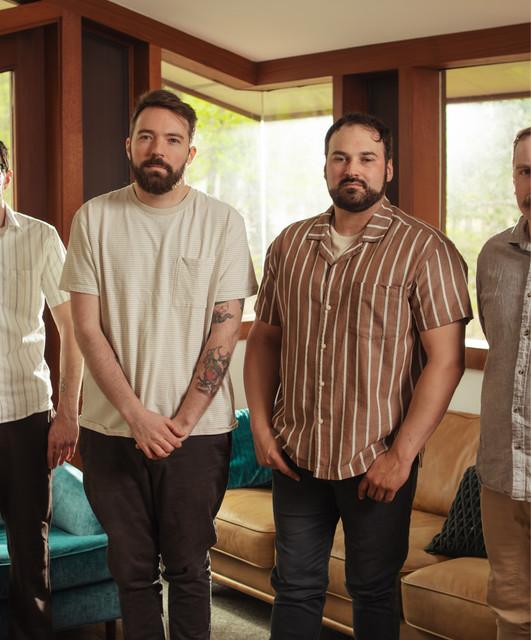
Tiny Moving Parts

Rock
Indie Rock
 Viberate Rank: 68057
 Viberate Rank: 68057
 Monthly ListenersFollowers
 Subscribers
 Followers
 Followers
 FansTop Spotify Songs
| Track | 7-Day Streams | |
|---|---|---|
1 | 23.25K | |
2 | 11.01K | |
3 | 9.65K | |
4 | 5.92K | |
5 | 5.66K |
Top YouTube Videos| Video | 7-Day Views | |
|---|---|---|
1 | 4.07K | |
2 | 2.52K | |
3 | 1.13K | |
4 | 942 | |
5 | 569 |
Monthly ListenersFeatured in Playlists| Playlist | Followers | |
|---|---|---|
1 |  Emo Forever Spotify | 1.94M |
2 |  midwest emo essentials midwest.merky | 138.66K |
3 |  midwest emo bangers leigha | 80.41K |
4 |  Midwest Emo Classics Mike | 63.09K |
5 | MATH ROCK CLASSICS Georgia | 37.24K |
Audience| City | Monthly Listeners | |
|---|---|---|
1 | | 2.45K |
2 |  | 1.72K |
3 | | 1.71K |
4 | | 1.70K |
5 | | 1.64K |
See full performance history, audience data, playlist activity, rankings, comparisons, and more in Viberate music analytics. Start with a free trial, then continue with a paid plan.
Tiny Moving Parts’ Spotify BioTiny Moving Parts has always been a vehicle for catharsis, and that’s nothing new on breathe. The fifth full-length by the Benson, Minnesota, trio sees vocalist/guitarist Dylan Mattheisen and his cousins, brothers Matt (bass) and Billy (drums) Chevalier, tackle issues such as mental health, anxiety and mortality while also expanding their sound. Recorded with longtime collaborator Greg Lindholm and established pop producer John Fields (Jimmy Eat World, Goo Goo Dolls, All Time Low), breathe is a valuable reminded that we’re all in this together, channelled through the band’s trademark blend of math-rock, pop-punk and emo, albeit with a few new musical tricks (including some electronic flourishes and a banjo). More than just a collection of songs, breathe serves as an important emotional crutch. It’s the friend we all need at our darkest times. It’s the sound of a band coming to terms with their own mortality, their own anxieties, their own self-doubts. And it’s a reminder that, as long… as there are songs sung back as if our lives depend on them, we are never alone.
Viberate is a music analytics platform built for A&Rs, artist managers, labels, booking agents, marketers, and artists.
It helps music professionals track artist growth, analyze audience data, monitor playlist activity, compare artists, follow song performance, and identify opportunities across the music market.
Public artist pages provide a free preview of selected artist data. Paid plans provide access to deeper analytics, historical data, charts, comparisons, playlist tools, exports, alerts, reports, and additional professional features.
Yes. Public Viberate artist pages provide selected artist analytics and music data for free.
Viberate also offers a 7-day free trial of the full platform. A credit card is required to start the trial. The trial includes access to the complete product so users can test deeper artist analytics, historical views, playlist insights, comparisons, charts, exports, alerts, and reporting features before choosing a paid plan.
Viberate provides artist analytics across streaming, playlists, social media, video, radio airplay, songs, and audience markets.
Users can analyze Spotify performance, Spotify and Apple Music playlists, YouTube activity, TikTok and Instagram growth, radio spins, song performance, audience locations, demographics, rankings, and overall artist momentum.
Artist profiles also connect to music charts, similar artists, and comparison tools, helping users benchmark performance and evaluate artists in context.
Viberate updates key artist and track data daily.
For followed artists and tracks, selected data is refreshed multiple times per day. This helps teams monitor playlist changes, streaming movement, audience growth, releases, and campaign performance with more current data.
Update frequency can vary depending on the metric and data source.
Yes. Viberate lets users compare up to five artists side by side across streaming, social media, audience, and engagement metrics.
Users can compare fanbase growth, audience demographics, locations, Spotify performance, social metrics, and other artist data over selected time periods.
Artist comparison can be used for A&R scouting, benchmarking, booking decisions, campaign planning, and evaluating artists with similar audiences or market positions.