Tiny Boost

Hip Hop
Contemporary Hip Hop
Grime
 Viberate Rank: 64871
 Viberate Rank: 64871
 Monthly ListenersFollowers
 Subscribers
 Followers
 Followers
 FansTop Spotify Songs
| Track | 7-Day Streams | |
|---|---|---|
1 | 79.88K | |
2 | 15.88K | |
3 | 14.87K | |
4 | 14.32K | |
5 | 13.38K |
Top YouTube VideosMonthly ListenersFeatured in Playlists| Playlist | Followers | |
|---|---|---|
1 |  Top Boy Official Playlist Spotify | 219.48K |
2 | Top G | 103.15K |
3 |  Top Boy: The Complete Playlist Topsify UK | 58.06K |
4 | DRIVE⚡️ MOLLYMAE1 | 45.21K |
5 | Riyan Shah | 35.45K |
Audience| City | Monthly Listeners | |
|---|---|---|
1 | | 34.78K |
2 | | 13.51K |
3 | | 11.88K |
4 | | 3.11K |
5 | | 2.80K |
See full performance history, audience data, playlist activity, rankings, comparisons, and more in Viberate music analytics. Start with a free trial, then continue with a paid plan.
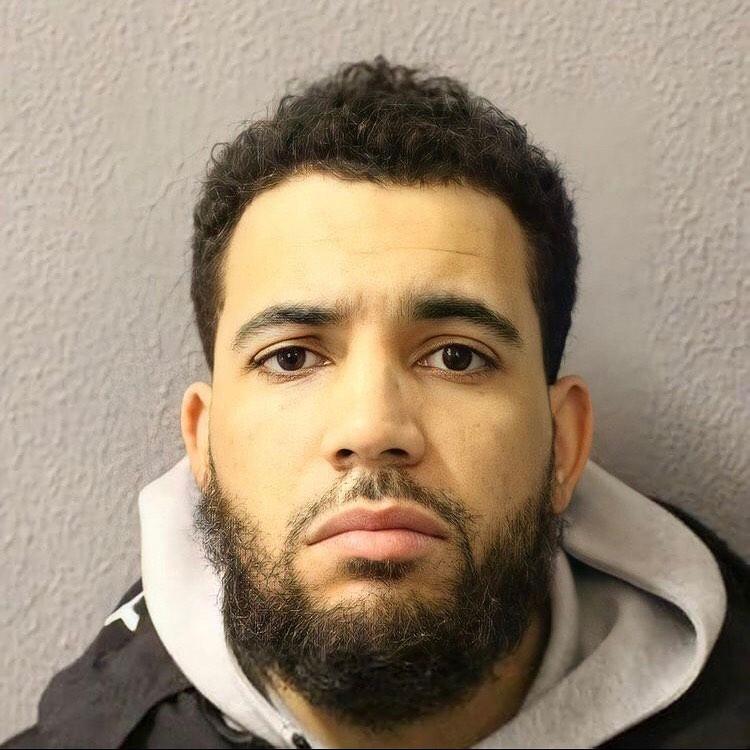
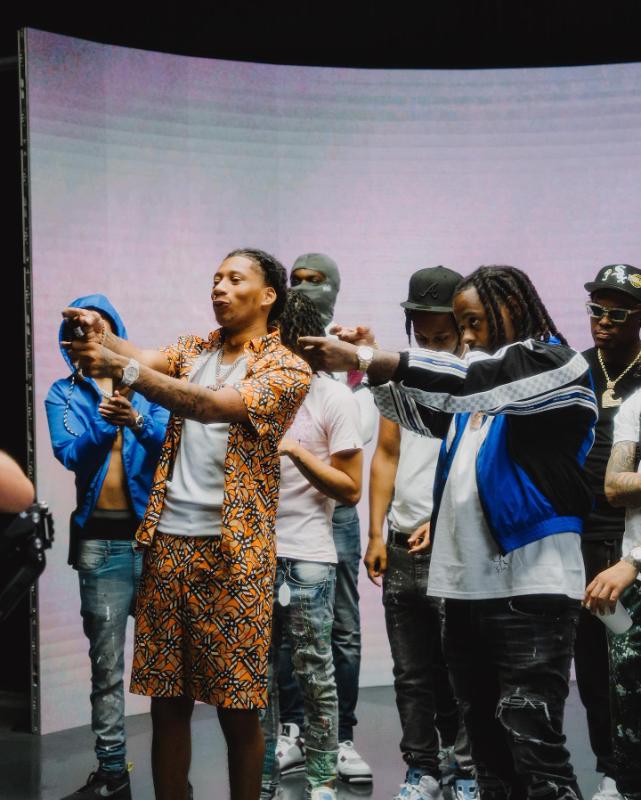
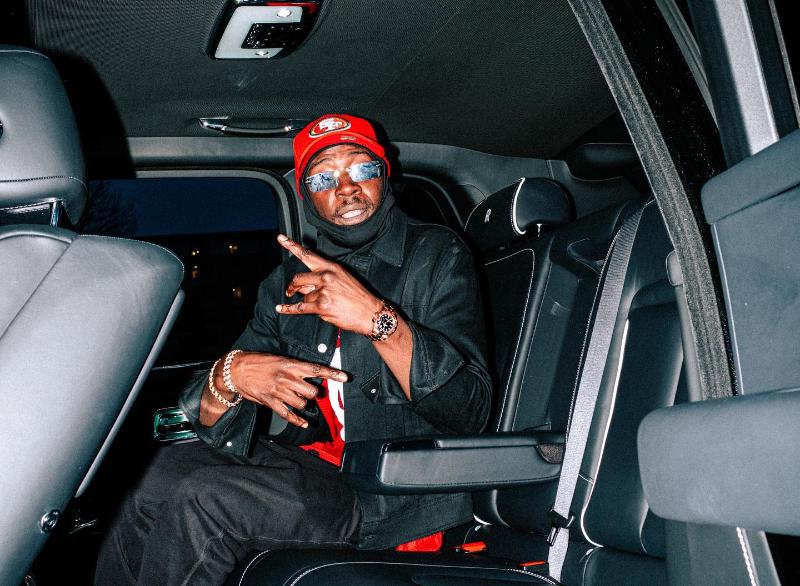
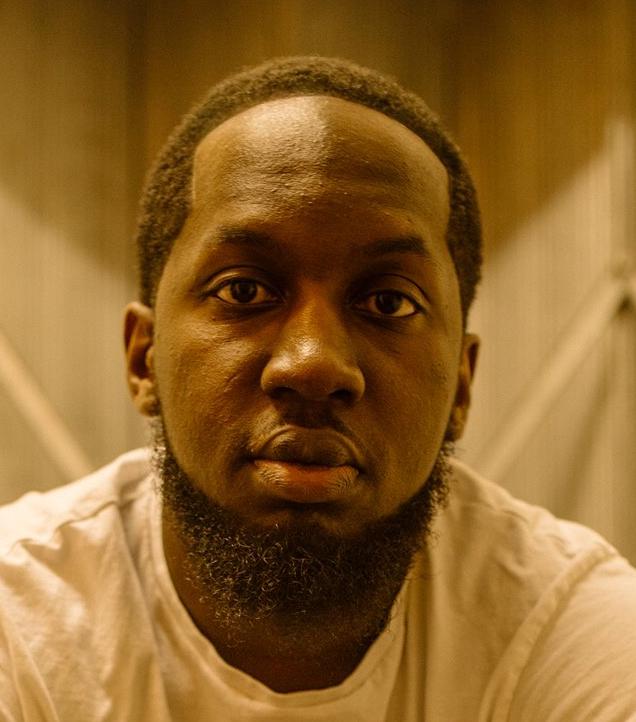
Tiny Boost’s Spotify BioBucking the trend of U.K. road rappers, south-east London's Tiny Boost is a prolific talent, whose gritty, deep-voiced delivery graced no fewer than 50 releases in the five years that followed his 2018 career reboot.
He was born-and-raised in a pre-gentrified, early-'90s Peckham, his father leaving home before he reached secondary school. Part of the gang Peckham Young Gunners, Boost was barely into his teens when he fell into crime and was first arrested for robbery. Alongside other crew members -- such as Y Lap and Shocks Shot -- he recorded a handful tracks in the mid-2000s under the PYG moniker: "Coming Up," "Gunshot Riddim" and "Who U Talkin' To?" The latter cut was picked by his musical mentor Giggs for a 2007 SN1 mixtape, Welcome to Boomville. Two years on, under both his Giggs and Hollowman aliases, the rising star gave Tiny Boost equal billing on an expansive project titled, Who Said Dat? However, shortly afterwards in 2009, Boost was arrested in Aylesbury for firearms… offences. His resulting conviction placed him behind the bars of 10 different prisons for the next eight-and-a-half years. During that time, his only musical activity came in the form of "Popping Freestyle," a 2015 recording made with Swaggie Studios while on day release.
Following his release in early 2018, Tiny Boost took full advantage of the streaming age and announced his return with three quickfire singles -- "Streets Back," "2 Days" and "240 Seconds (Pt. 1)" -- that September on Giggs' SN1 label. His first solo mixtape, Strictly for the Streets, appeared the following month before early 2019 brought one-off collaborations with Joe Grind, Frisco and Billy the Kid. August 2019's "Feels Good" anticipated his second project, Street Dreams, which appeared later that year after a joint single with Lewisham's Rosca Nini Zullu. Mid-2020 saw him work with ASB on "Where I Been" and "Get It," two tracks that ultimately appeared on the west London rapper's Prayer, Profit & Progress mixtape. After November's "Street Diary," Tiny Boost teamed up with the Paperboys Records production team for "Still Here," "Pandemic" and "Fresh." Alongside self-released 2021 singles such as "Certified" and "Nobody," Tiny Boost also issued tracks on other labels that year such as Sicario, Link Up TV, TruCulture and Rich Made.
Perhaps his busiest year to date was 2022, during which he not only released Street Paper -- a third full-length project -- but also worked with labels like Street Lounge, 23 Formation, JJR, Mxney Szn and GRM Daily. Then, early the following year, he released "Sharks 2" the first fruit of a joint project with Youngs Teflon, ultimately released as Purple Hearts that June. The record included guest spots from Wretch 32, K-Trap, Giggs and Miraa May and the pair embarked on a U.K. tour to promote it. ~ TiVo Staff, Rovi
Viberate is a music analytics platform built for A&Rs, artist managers, labels, booking agents, marketers, and artists.
It helps music professionals track artist growth, analyze audience data, monitor playlist activity, compare artists, follow song performance, and identify opportunities across the music market.
Public artist pages provide a free preview of selected artist data. Paid plans provide access to deeper analytics, historical data, charts, comparisons, playlist tools, exports, alerts, reports, and additional professional features.
Yes. Public Viberate artist pages provide selected artist analytics and music data for free.
Viberate also offers a 7-day free trial of the full platform. A credit card is required to start the trial. The trial includes access to the complete product so users can test deeper artist analytics, historical views, playlist insights, comparisons, charts, exports, alerts, and reporting features before choosing a paid plan.
Viberate provides artist analytics across streaming, playlists, social media, video, radio airplay, songs, and audience markets.
Users can analyze Spotify performance, Spotify and Apple Music playlists, YouTube activity, TikTok and Instagram growth, radio spins, song performance, audience locations, demographics, rankings, and overall artist momentum.
Artist profiles also connect to music charts, similar artists, and comparison tools, helping users benchmark performance and evaluate artists in context.
Viberate updates key artist and track data daily.
For followed artists and tracks, selected data is refreshed multiple times per day. This helps teams monitor playlist changes, streaming movement, audience growth, releases, and campaign performance with more current data.
Update frequency can vary depending on the metric and data source.
Yes. Viberate lets users compare up to five artists side by side across streaming, social media, audience, and engagement metrics.
Users can compare fanbase growth, audience demographics, locations, Spotify performance, social metrics, and other artist data over selected time periods.
Artist comparison can be used for A&R scouting, benchmarking, booking decisions, campaign planning, and evaluating artists with similar audiences or market positions.