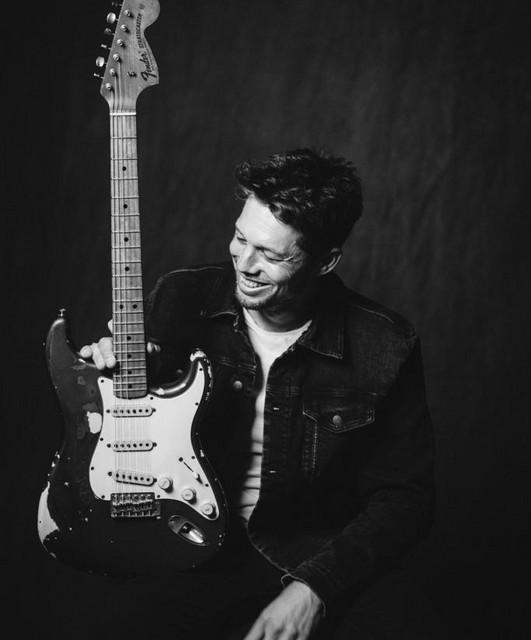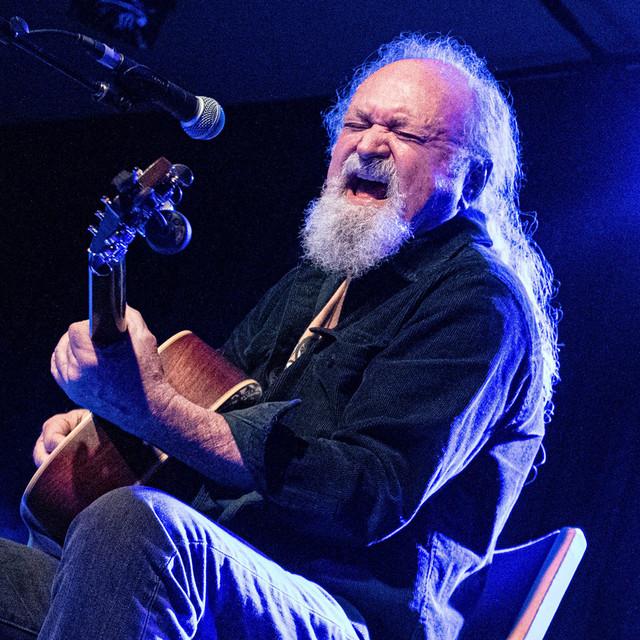
Tinsley Ellis

Blues
Blues Rock
Contemporary Blues
 Viberate Rank: 65527
 Viberate Rank: 65527
 Monthly ListenersFollowers
 Subscribers
 Followers
 Followers
 FansTop Spotify Songs
| Track | 7-Day Streams | |
|---|---|---|
1 | 25.72K | |
2 | 10.44K | |
3 | 10.17K | |
4 | 9.38K | |
5 | 7.93K |
Top YouTube VideosMonthly ListenersFeatured in Playlists| Playlist | Followers | |
|---|---|---|
1 |  Acoustic Blues Spotify | 873.79K |
2 |  Blue Ballads Spotify | 592.03K |
3 |  Blues & Whiskey 🥃 Whiskey blues music 🎸 Whisky Blues - Best of Slow Blues/Rock 🍥 | 333.29K |
4 |  Got Blues Spotify | 161.39K |
5 |  sensual dark blues. totti444 | 153.01K |
Audience| City | Monthly Listeners | |
|---|---|---|
1 |  | 2.97K |
2 |  | 2.78K |
3 |  | 1.93K |
4 |  | 1.61K |
5 |  | 1.37K |
See full performance history, audience data, playlist activity, rankings, comparisons, and more in Viberate music analytics. Start with a free trial, then continue with a paid plan.
Tinsley Ellis’ Spotify BioA hard-rocking, high-voltage blues guitarist most often compared to Stevie Ray Vaughan, Tinsley Ellis is hardly one of the legions of imitators that comparison might imply. Schooled in a variety of Southern musical styles as evidenced by his 1988 Alligator debut Georgia Blue (a label he has been signed to three different times), Ellis draws not only from fiery Vaughan-style blues-rock, but also from Texas bluesmen like Freddie King and Clarence "Gatemouth" Brown, the soulful blues of B.B. King, the funky grit of Memphis soul, and numerous other electric bluesmen. Later offerings such as 1997's Fire It Up showcased fine hopped-up originals alongside striking covers penned by everyone from Mickey Newbury and Danny Kirwan to Magic Sam and Los Lobos. Ellis has been praised in many quarters for the relentless, storming intensity of his sound. His early-21st century sides, such as The Hard Way in 2004 (Telarc), 2013's Midnight Blue, and 2016's Red Clay Soul (on his own Heartfixer Music label…), earned him the general acknowledgement that he is a consistent and formidable instrumentalist and a solid songwriter. He returned to Alligator for 2018's Winning Hand, and followed it with Ice Cream in Hell in 2020 and his 20th album, The Devil May Care, in 2022. Ellis issued Naked Truth, his first-ever solo acoustic album, in February 2024
Ellis was born in Atlanta in 1957 and spent most of his childhood in southern Florida. He began playing guitar in elementary school, first discovering the blues through the flagship bands of the British blues boom: John Mayall & the Bluesbreakers, the Peter Green-led Fleetwood Mac, the Yardbirds, the Rolling Stones, and so on. He soon moved into a wide variety of original sources, becoming especially fond of B.B. King and Freddie King. After high school, Ellis moved back to Atlanta to attend Emory University, and soon found work on the local music scene, joining a bar band called the Alley Cats (which also featured future Fabulous Thunderbird Preston Hubbard). In 1981, Ellis co-founded the Heartfixers with singer/harmonica player Chicago Bob Nelson, and they recorded an eponymous debut album for the tiny Southland imprint. They soon signed with the slightly larger Landslide and issued Live at the Moon Shadow in 1983, by which point they were one of the most popular live blues acts in the South. However, Nelson left the group shortly after the album's release and Ellis took over on lead vocal chores.
The Heartfixers' first project in their new incarnation was backing up blues shouter Nappy Brown on his well-received 1984 comeback album, Tore Up. Ellis debuted his vocals on the Heartfixers' 1986 LP Cool on It, which brought him to the attention of Alligator Records. Ellis left the Heartfixers to sign with Alligator as a solo artist in 1988, and they picked up his solo debut, Georgia Blue, for distribution. It helped make Ellis a fixture on the blues circuit and he toured heavily behind it, establishing a hard-working pattern he would follow for most of his career. Fanning the Flames appeared in 1989 and explored similar territory. Released in 1992, Trouble Time helped land Ellis on album rock radio thanks to the track "Highwayman," but it was 1994's Storm Warning that really broke him to a wider blues-rock audience, earning more media attention than any of his previous recordings; additionally, guitar prodigy Jonny Lang later covered Ellis' "A Quitter Never Wins" on Lie to Me.
For 1997's Fire It Up, Ellis worked with legendary blues-rock producer Tom Dowd (the Allman Brothers, Derek & the Dominos), as well as Booker T. & the MG's bassist Donald "Duck" Dunn. Ellis subsequently left Alligator and signed with Capricorn; unfortunately, shortly after the release of 2000's Kingpin, Capricorn went bankrupt, leaving the album high and dry. Ellis soon signed with Telarc, which released Hell or High Water on the label in 2002, followed by The Hard Way in 2004. One year later, Ellis was back with Alligator putting out the live set Live! Highwayman and 2007's Moment of Truth, the first studio LP to contain original material since Hell or High Water. Ellis toured relentlessly behind the album and re-entered the studio in early 2009. Speak No Evil was released that October, but it would be another three-and-a-half years before he issued another studio album, as Ellis chose to focus on live performance in the intervening period.
When the all-instrumental Get It! did arrive in March 2013, it contained tributes to a number of his blues guitar heroes such as Freddie King, Bo Diddley, and Albert Collins. Before the end of the year he had also prepared another album with the same lineup as Get It!: Kevin McKendree on keyboards, Lynn Williams on drums, and Ted Pecchio on bass. Midnight Blue was released in January of 2014, followed quickly by Tough Love in 2015 and Red Clay Soul in 2016. In 2018, Ellis returned with Winning Hand, co-produced in Nashville with rhythm guitarist and keyboardist McKendree. The very same team of players reconvened in the fall to cut Ice Cream in Hell, released in January of 2020. During the worst of the pandemic, Ellis hunkered down in quarantine and wrote more than 200 songs. He chose ten for his 20th album, the Kevin McKendree-produced The Devil May Care, issued by Alligator in January 2022.
In 2023, Ellis played more than 100 solo acoustic concerts -- often opening for labelmate Marcia Ball -- to wildly enthusiastic audiences. In February 2024, his 21st studio set, Naked Truth, became his first solo acoustic long player. In addition to realizing a personal ambition, it appeased his many fans, who'd been clamoring for such a recording for nearly two decades. In addition to covers of Leo Kottke's "A Soldier’s Grave on the Prairie" (he's been playing it for more than 50 years), Son House's "Death Letter Blues," and Willie Dixon's Don’t Go No Further," Ellis offered listeners nine originals. ~ Steve Huey, Rovi
Viberate is a music analytics platform built for A&Rs, artist managers, labels, booking agents, marketers, and artists.
It helps music professionals track artist growth, analyze audience data, monitor playlist activity, compare artists, follow song performance, and identify opportunities across the music market.
Public artist pages provide a free preview of selected artist data. Paid plans provide access to deeper analytics, historical data, charts, comparisons, playlist tools, exports, alerts, reports, and additional professional features.
Yes. Public Viberate artist pages provide selected artist analytics and music data for free.
Viberate also offers a 7-day free trial of the full platform. A credit card is required to start the trial. The trial includes access to the complete product so users can test deeper artist analytics, historical views, playlist insights, comparisons, charts, exports, alerts, and reporting features before choosing a paid plan.
Viberate provides artist analytics across streaming, playlists, social media, video, radio airplay, songs, and audience markets.
Users can analyze Spotify performance, Spotify and Apple Music playlists, YouTube activity, TikTok and Instagram growth, radio spins, song performance, audience locations, demographics, rankings, and overall artist momentum.
Artist profiles also connect to music charts, similar artists, and comparison tools, helping users benchmark performance and evaluate artists in context.
Viberate updates key artist and track data daily.
For followed artists and tracks, selected data is refreshed multiple times per day. This helps teams monitor playlist changes, streaming movement, audience growth, releases, and campaign performance with more current data.
Update frequency can vary depending on the metric and data source.
Yes. Viberate lets users compare up to five artists side by side across streaming, social media, audience, and engagement metrics.
Users can compare fanbase growth, audience demographics, locations, Spotify performance, social metrics, and other artist data over selected time periods.
Artist comparison can be used for A&R scouting, benchmarking, booking decisions, campaign planning, and evaluating artists with similar audiences or market positions.