Tim Sparks

Country
Contemporary Country
Contemporary Blues
 Viberate Rank: 257222
 Viberate Rank: 257222
 Monthly ListenersFollowers
 Subscribers
 Followers
 Followers
 FansTop Spotify Songs
| Track | 7-Day Streams | |
|---|---|---|
1 | 401 | |
2 | 333 | |
3 | 188 | |
4 | 87 | |
5 | 65 |
Top YouTube VideosMonthly ListenersFeatured in Playlists| Playlist | Followers | |
|---|---|---|
1 |  Alex Ross's The Rest is Noise aidanosu | 2.70K |
2 |  Beatles Acoustic Ballads Cocoy Claravall | 2.45K |
3 | Piedmont Blues Dara Anderbard | 2.33K |
4 |  Acoustic Blues Guitar (instrumental) marzoluis | 1.27K |
5 |  Piers Faccini Radio Piers Faccini | 1.22K |
Audience| City | Monthly Listeners | |
|---|---|---|
1 |  | 28 |
2 | | 24 |
3 | | 23 |
4 | | 20 |
5 | | 20 |
See full performance history, audience data, playlist activity, rankings, comparisons, and more in Viberate music analytics. Start with a free trial, then continue with a paid plan.
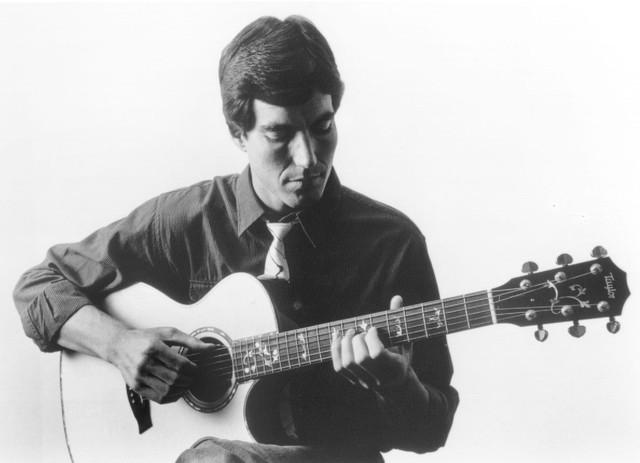
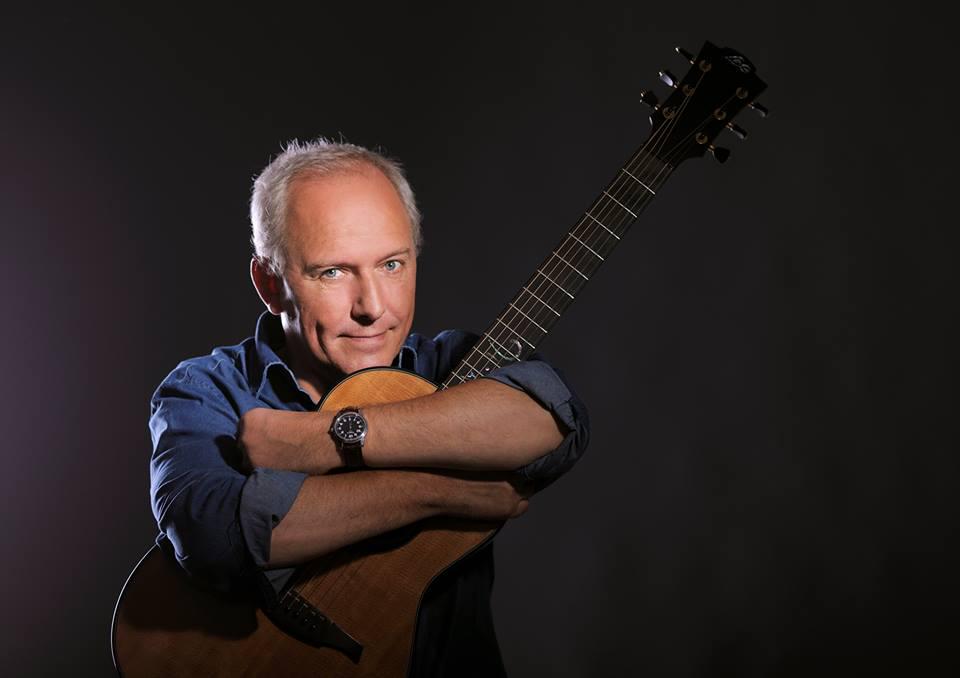
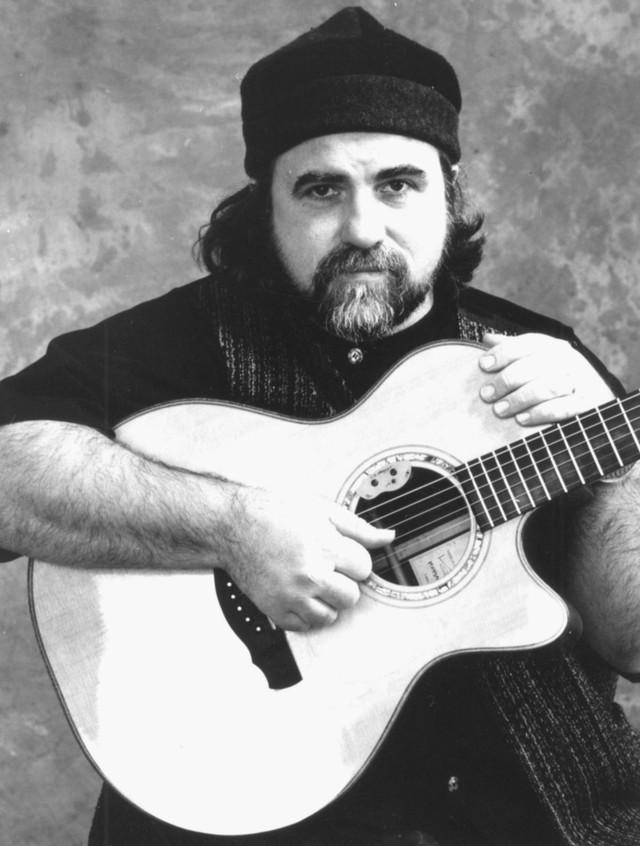
Tim Sparks’ Spotify BioGuitar virtuoso Tim Sparks was born October 31, 1954, in Winston-Salem, NC, taking his first music lessons from his moonshiner uncle; while attending the North Carolina School of the Arts, he also studied classical guitar with Andrés Segovia protégé Jesus Silva. Upon graduating in 1973, Sparks went on tour with an R&B band, and during a stop in Minneapolis he opted to move to the city permanently; there he joined the vintage jazz combo Rio Nido, which recorded albums including I Like to Riff, Hi Fly, and Voicings before disbanding in 1987. Sparks then spent the next several years exploring musical cultures from across the globe, winning a Jerome Foundation fellowship to study the fado tradition in Portugal as well as earning a grant from Minnesota's State Arts Board to study Eastern European music; he additionally played in a variety of local ethnic acts including including the Brazilian group Mandala, the Persian outfit Robayat, and even a Jewish wedding band. A year after the release… of his 1992 guitar adaptation of Tchaikovsky's The Nutcracker Suite, Sparks won the National Fingerstyle Guitar Championship in Winfield, KS, and released the solo effort Balkan Dreams; Guitar Bazaar followed in 1995. In 1999 Sparks released One String Leads to Another, followed closely by Neshamah, the first of several collections (Tanz [2000], At the Rebbe's Table [2002], and Little Princess [2009]) for John Zorn's Tzadik label. ~ Jason Ankeny, Rovi
Viberate is a music analytics platform built for A&Rs, artist managers, labels, booking agents, marketers, and artists.
It helps music professionals track artist growth, analyze audience data, monitor playlist activity, compare artists, follow song performance, and identify opportunities across the music market.
Public artist pages provide a free preview of selected artist data. Paid plans provide access to deeper analytics, historical data, charts, comparisons, playlist tools, exports, alerts, reports, and additional professional features.
Yes. Public Viberate artist pages provide selected artist analytics and music data for free.
Viberate also offers a 7-day free trial of the full platform. A credit card is required to start the trial. The trial includes access to the complete product so users can test deeper artist analytics, historical views, playlist insights, comparisons, charts, exports, alerts, and reporting features before choosing a paid plan.
Viberate provides artist analytics across streaming, playlists, social media, video, radio airplay, songs, and audience markets.
Users can analyze Spotify performance, Spotify and Apple Music playlists, YouTube activity, TikTok and Instagram growth, radio spins, song performance, audience locations, demographics, rankings, and overall artist momentum.
Artist profiles also connect to music charts, similar artists, and comparison tools, helping users benchmark performance and evaluate artists in context.
Viberate updates key artist and track data daily.
For followed artists and tracks, selected data is refreshed multiple times per day. This helps teams monitor playlist changes, streaming movement, audience growth, releases, and campaign performance with more current data.
Update frequency can vary depending on the metric and data source.
Yes. Viberate lets users compare up to five artists side by side across streaming, social media, audience, and engagement metrics.
Users can compare fanbase growth, audience demographics, locations, Spotify performance, social metrics, and other artist data over selected time periods.
Artist comparison can be used for A&R scouting, benchmarking, booking decisions, campaign planning, and evaluating artists with similar audiences or market positions.