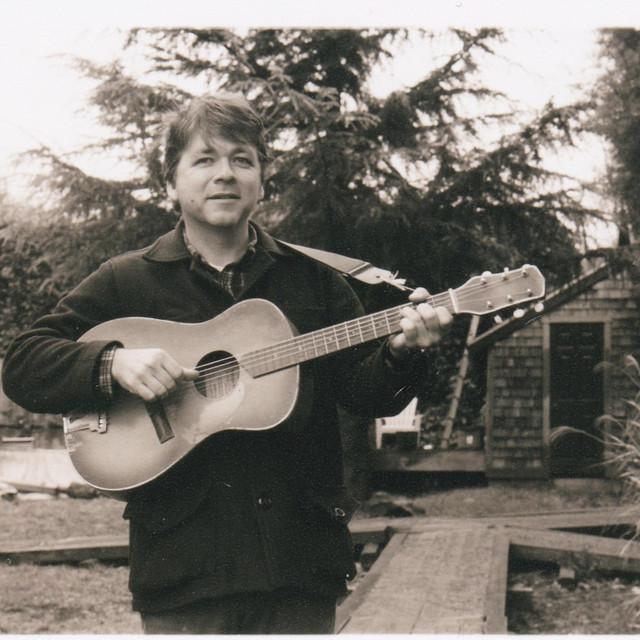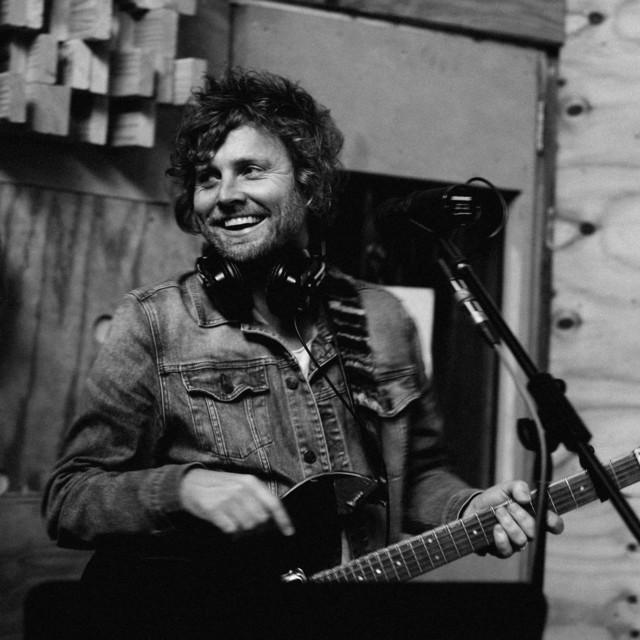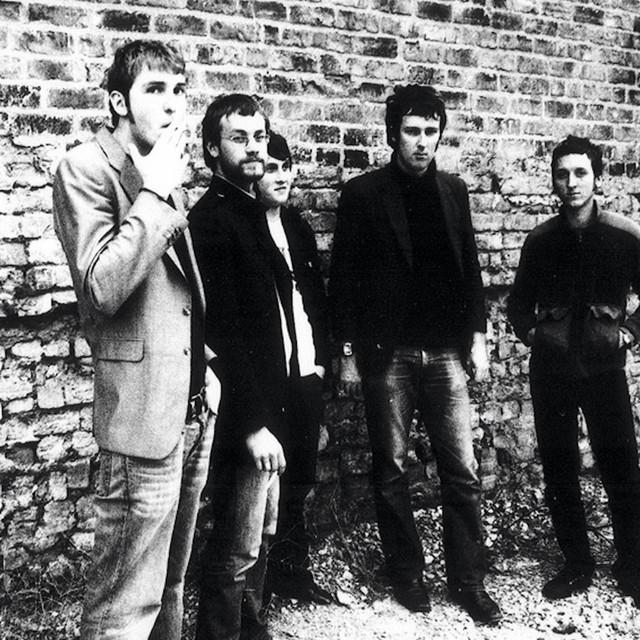
Tim Rogers

Rock
Pop Rock
Alternative Rock
 Viberate Rank: 180837
 Viberate Rank: 180837
 Monthly ListenersFollowers
 Subscribers
 Followers
 Followers
 FansTop Spotify Songs
| Track | 7-Day Streams | |
|---|---|---|
1 | 7.47K | |
2 | 5.79K | |
3 | 5.78K | |
4 | 4.20K | |
5 | 3.75K |
Top YouTube Videos| Video | 7-Day Views | |
|---|---|---|
1 | 13 | |
2 | 7 | |
3 | 3 |
Monthly ListenersFeatured in Playlists| Playlist | Followers | |
|---|---|---|
1 |  Funky Jazz, Blues & Soul The New Funky | 74.07K |
2 |  This Is Ofenbach Spotify | 41.57K |
3 |  Triple J Hottest 100 1993-2018 deñt | 29.34K |
4 |  Feel Good Radio Aeonya | 26.55K |
5 |  triple j's Hottest 100 2012 triple j | 24.72K |
Audience| City | Monthly Listeners | |
|---|---|---|
1 | | 1.04K |
2 |  | 804 |
3 | | 584 |
4 | | 579 |
5 | | 554 |
See full performance history, audience data, playlist activity, rankings, comparisons, and more in Viberate music analytics. Start with a free trial, then continue with a paid plan.
Tim Rogers’ Spotify BioTim Rogers is best known as the guitarist, singer, and primary songwriter of the Australian rock band You Am I, who were the poster boys of alternative rock within Australia during the '90s, though largely unknown overseas. The elegantly wasted Rogers also became known for his roguishly charming persona and rock star antics to rival Ryan Adams both on and off the stage.
Rogers was born in Kalgoorlie, Western Australia, in 1968, although he moved several times in his youth. His older brother had a collection of imported American records, which Rogers would break into his room to listen to while he was out. The first lineup of You Am I consisted of Rogers, his brother Jaimme (the initial frontman), and a school friend of theirs. While living in the city of Canberra and studying law and arts, Rogers met Andy Kent, who became You Am I's sound mixer. After a fight between the Rogers brothers, the lineup changed completely and Kent was invited to play bass. You Am I went on to win many… Australian fans in the '90s, releasing three albums in a row, all of which debuted at number one. Rogers is said to keep all of their trophies in his outdoor toilet.
In 1999 he released his first album outside of You Am I with a backing band called the Twin Set, the popular What Rhymes with Cars and Girls. The songs took a low-key, acoustic approach that contrasted with the rough-and-ready rock sound of You Am I, many of them inspired by a breakup with his long-term girlfriend.
Several of You Am I's tunes had featured on the soundtrack to David Caesar's homage to Quentin Tarantino, Idiot Box, with Rogers helping to select the songs. When it came time to record the soundtrack to his 2002 movie Dirty Deeds, Caesar turned to Rogers to assemble an album's worth of material with his band as well as collaborators such as Dallas Crane and Billy Thorpe, obviously including the AC/DC classic, "Dirty Deeds Done Dirt Cheap."
After Rogers' marriage (to a girl met while touring Europe), he began splitting his time between her home in Spain and his in Australia. His time in Australia was marked by headline-grabbing bad-boy behavior. After You Am I was dropped by their label, BMG, Rogers confronted Australian Idol judge Mark Holden at Adelaide Airport with claims that his band was removed to make way for albums by winners of the program. A scuffle ensued and the two were reprimanded by airport security. Rogers admitted that he had been drinking before the confrontation occurred.
His behavior was again the focus when You Am I played at the Falls Festival in Tasmania. A visibly intoxicated Rogers stumbled and slurred through several songs before apologizing and abandoning the set halfway through. Backstage, he accidentally knocked over fellow performer Missy Higgins, causing her to briefly lose consciousness. The result was Rogers' admission of his drug and alcohol problems.
Rogers formed a new backing band, ironically named the Temperance Union, with whom he released Spit Polish in 2004 and the double album Ghost Songs/Dirty Ron in 2005. The sound was raw and gutsy, in comparison to the gentleness of his previous solo outing. Ghost Songs featured several duets with singers including Higgins (who apparently holds no grudge) and Rebecca Barnard and the song "Ridin' from My House to Ours," inspired by the divorce he was undergoing at the time.
Rogers' next marriage was a musical one. He teamed up with Tex Perkins, frontman of the Cruel Sea and the Beasts of Bourbon, to form a duo called T'n'T. Initially formed as a joke, they played pub gigs with acoustic guitars, using material from both their lengthy careers. Interest was such that T'n'T became a going concern, and went on to play shows with a full orchestra and record an album, My Better Half, in 2006.
In 2007 Rogers released another solo album, The Luxury of Hysteria, through his own label, Ruby Q. Although all of the members of the Temperance Union contributed, the album was credited to Rogers alone. ~ Jody Macgregor, Rovi
Viberate is a music analytics platform built for A&Rs, artist managers, labels, booking agents, marketers, and artists.
It helps music professionals track artist growth, analyze audience data, monitor playlist activity, compare artists, follow song performance, and identify opportunities across the music market.
Public artist pages provide a free preview of selected artist data. Paid plans provide access to deeper analytics, historical data, charts, comparisons, playlist tools, exports, alerts, reports, and additional professional features.
Yes. Public Viberate artist pages provide selected artist analytics and music data for free.
Viberate also offers a 7-day free trial of the full platform. A credit card is required to start the trial. The trial includes access to the complete product so users can test deeper artist analytics, historical views, playlist insights, comparisons, charts, exports, alerts, and reporting features before choosing a paid plan.
Viberate provides artist analytics across streaming, playlists, social media, video, radio airplay, songs, and audience markets.
Users can analyze Spotify performance, Spotify and Apple Music playlists, YouTube activity, TikTok and Instagram growth, radio spins, song performance, audience locations, demographics, rankings, and overall artist momentum.
Artist profiles also connect to music charts, similar artists, and comparison tools, helping users benchmark performance and evaluate artists in context.
Viberate updates key artist and track data daily.
For followed artists and tracks, selected data is refreshed multiple times per day. This helps teams monitor playlist changes, streaming movement, audience growth, releases, and campaign performance with more current data.
Update frequency can vary depending on the metric and data source.
Yes. Viberate lets users compare up to five artists side by side across streaming, social media, audience, and engagement metrics.
Users can compare fanbase growth, audience demographics, locations, Spotify performance, social metrics, and other artist data over selected time periods.
Artist comparison can be used for A&R scouting, benchmarking, booking decisions, campaign planning, and evaluating artists with similar audiences or market positions.