Tim Gartz

Electronic
Dance
Trance
 Viberate Rank: 285376
 Viberate Rank: 285376
 Monthly ListenersFollowers
 Subscribers
 Followers
 Followers
 FansTop Spotify SongsTop YouTube VideosMonthly ListenersFeatured in Playlists
| Playlist | Followers | |
|---|---|---|
1 | MY PLAYLIST Nikestarx | 41.57K |
2 |  Beach Club Vibes Jess Williams | 19.56K |
3 | Marcel Ruebenstein | 16.78K |
4 | Deep house vocal hits raulgcollar | 16.52K |
5 | Old Songs Remix maxhafner | 15.29K |
Audience| City | Monthly Listeners | |
|---|---|---|
1 | | 104 |
2 | | 75 |
3 |  | 70 |
4 |  | 53 |
5 | | 52 |
See full performance history, audience data, playlist activity, rankings, comparisons, and more in Viberate music analytics. Start with a free trial, then continue with a paid plan.
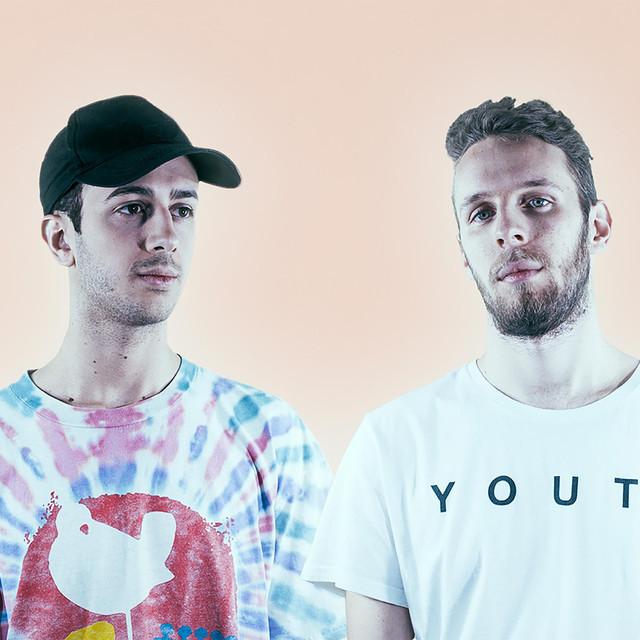
Tim Gartz’s Spotify BioTim Gartz is a DJ, producer, and songwriter from Sollentuna, Stockholm, who started producing music at just 14. After making a name through remixes on popular music blogs, he quickly stood out for his unique melodic touch and progressive house sound.
His breakout came in 2013 with Shine, which surpassed 100,000 streams on Spotify within months. In 2016, Uptown Girl was signed to Armada and crossed 1.3M streams, followed by What You Want (feat. Nicole Gartz) in 2017 — a hit now streamed over 4.5M times.
Tim’s music has received support from industry giants like Tiësto, with tracks such as Dive With Me gaining international recognition. Collaborations with artists including UK singer Kirkby and Greek producer Mark F. Angelo further solidified his global reach.
With more than 11M total streams, multiple chart entries, and releases on labels like Tonspiel, Tim Gartz continues to push forward — delivering emotional, energetic tracks that blend catchy hooks with unforgettable melodies. And with… new singles on the way, the best is yet to come.
Viberate is a music analytics platform built for A&Rs, artist managers, labels, booking agents, marketers, and artists.
It helps music professionals track artist growth, analyze audience data, monitor playlist activity, compare artists, follow song performance, and identify opportunities across the music market.
Public artist pages provide a free preview of selected artist data. Paid plans provide access to deeper analytics, historical data, charts, comparisons, playlist tools, exports, alerts, reports, and additional professional features.
Yes. Public Viberate artist pages provide selected artist analytics and music data for free.
Viberate also offers a 7-day free trial of the full platform. A credit card is required to start the trial. The trial includes access to the complete product so users can test deeper artist analytics, historical views, playlist insights, comparisons, charts, exports, alerts, and reporting features before choosing a paid plan.
Viberate provides artist analytics across streaming, playlists, social media, video, radio airplay, songs, and audience markets.
Users can analyze Spotify performance, Spotify and Apple Music playlists, YouTube activity, TikTok and Instagram growth, radio spins, song performance, audience locations, demographics, rankings, and overall artist momentum.
Artist profiles also connect to music charts, similar artists, and comparison tools, helping users benchmark performance and evaluate artists in context.
Viberate updates key artist and track data daily.
For followed artists and tracks, selected data is refreshed multiple times per day. This helps teams monitor playlist changes, streaming movement, audience growth, releases, and campaign performance with more current data.
Update frequency can vary depending on the metric and data source.
Yes. Viberate lets users compare up to five artists side by side across streaming, social media, audience, and engagement metrics.
Users can compare fanbase growth, audience demographics, locations, Spotify performance, social metrics, and other artist data over selected time periods.
Artist comparison can be used for A&R scouting, benchmarking, booking decisions, campaign planning, and evaluating artists with similar audiences or market positions.