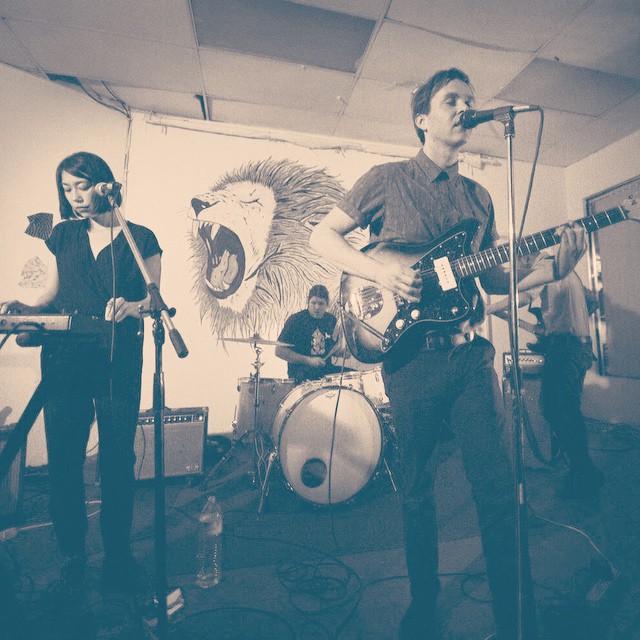
Tim Darcy

Rock
Garage Rock
Indie Rock
 Viberate Rank: 415274
 Viberate Rank: 415274
 Monthly ListenersFollowers
 Subscribers
 Followers
 Followers
 FansTop Spotify Songs
| Track | 7-Day Streams | |
|---|---|---|
1 | 240 | |
2 | 65 | |
3 | 50 | |
4 | 33 | |
5 | 20 |
Top YouTube VideosMonthly ListenersFeatured in Playlists| Playlist | Followers | |
|---|---|---|
1 |  NPR All Songs Considered - The Bob Boilen years (unofficial) Fri Tsch | 30.02K |
2 |  Off Your Face anton newcombe | 5.86K |
3 |  Matador Recommends Matador Records | 4.81K |
4 |  WXPN- The Greatest XPN Mix of All Time. Matthew Etter | 4.78K |
5 | house music 🩸 Waxahatchee | 4.31K |
Audience| City | Monthly Listeners | |
|---|---|---|
1 |  | 23 |
2 |  | 16 |
3 | | 16 |
4 | | 15 |
5 | | 14 |
See full performance history, audience data, playlist activity, rankings, comparisons, and more in Viberate music analytics. Start with a free trial, then continue with a paid plan.
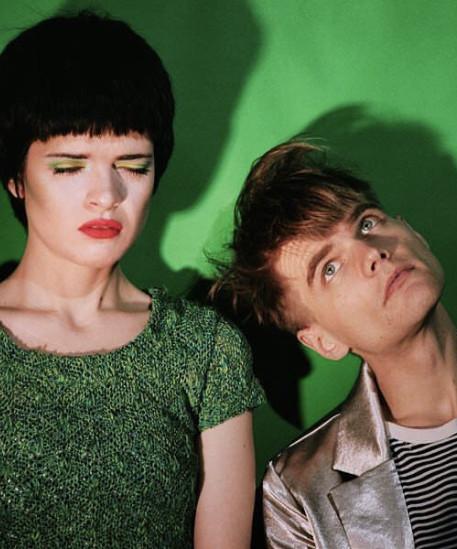
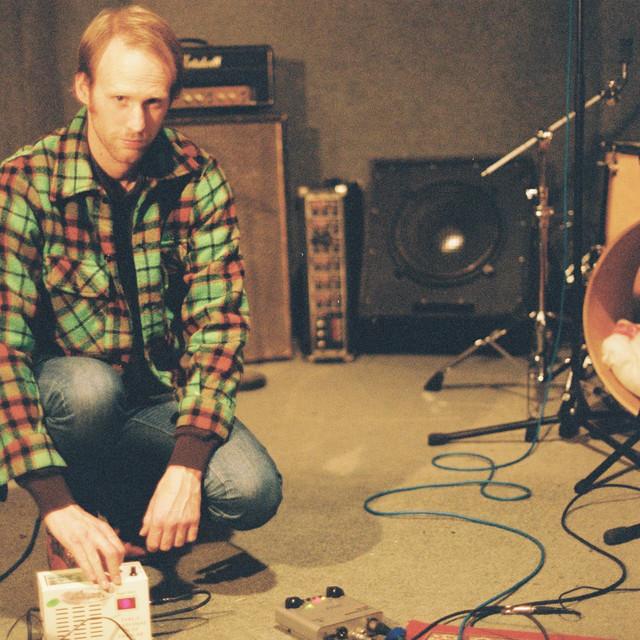
Tim Darcy’s Spotify BioTim Darcy is a Canada-based songwriter, guitarist, and singer with an idiosyncratic delivery that can evoke a young David Byrne or Lou Reed. Known as leader of the high-intensity indie rock band Ought, he's also released more personal solo material.
Going by Tim Beeler at the time (his birth surname), the Arizona-born musician formed Ought in Montreal in 2011 with keyboardist Matt May, bassist Ben Stidworthy, and drummer/violinist Tim Keen. Taking heavy cues from their city's thriving scene of underground politics, loft parties, and D.I.Y. culture, the band melded unlikely influences from both high-energy mid-'90s emo bands and airy, early college rock acts like the Feelies and Talking Heads. The bandmembers all lived together in a shared apartment/practice space, self-recording their first EP, New Calm, in 2012. They played frequently in Montreal, eventually catching the ear of indie label Constellation, which released their debut full-length album, More Than Any Other Day, in the… spring of 2014. They returned with a four-track EP, Once More with Feeling..., in October of the same year. Darcy then legally adopted his mother's maiden name at the beginning of 2015, and Ought's second LP, Sun Coming Down, appeared in September of 2015.
In 2016, Darcy released an experimental collaboration with sound artist A.J. Cornell. Entitled Too Significant to Ignore, it paired existential spoken monologues with a patchwork of field recordings, electronic effects, and manipulated objects. Darcy returned to indie rock in early 2017 with his first solo album. Collecting songs of a more personal nature that didn't quite fit with Ought, including a few that predated the band, Saturday Night also marked his debut with Jagjaguwar. ~ Marcy Donelson & Fred Thomas, Rovi
Viberate is a music analytics platform built for A&Rs, artist managers, labels, booking agents, marketers, and artists.
It helps music professionals track artist growth, analyze audience data, monitor playlist activity, compare artists, follow song performance, and identify opportunities across the music market.
Public artist pages provide a free preview of selected artist data. Paid plans provide access to deeper analytics, historical data, charts, comparisons, playlist tools, exports, alerts, reports, and additional professional features.
Yes. Public Viberate artist pages provide selected artist analytics and music data for free.
Viberate also offers a 7-day free trial of the full platform. A credit card is required to start the trial. The trial includes access to the complete product so users can test deeper artist analytics, historical views, playlist insights, comparisons, charts, exports, alerts, and reporting features before choosing a paid plan.
Viberate provides artist analytics across streaming, playlists, social media, video, radio airplay, songs, and audience markets.
Users can analyze Spotify performance, Spotify and Apple Music playlists, YouTube activity, TikTok and Instagram growth, radio spins, song performance, audience locations, demographics, rankings, and overall artist momentum.
Artist profiles also connect to music charts, similar artists, and comparison tools, helping users benchmark performance and evaluate artists in context.
Viberate updates key artist and track data daily.
For followed artists and tracks, selected data is refreshed multiple times per day. This helps teams monitor playlist changes, streaming movement, audience growth, releases, and campaign performance with more current data.
Update frequency can vary depending on the metric and data source.
Yes. Viberate lets users compare up to five artists side by side across streaming, social media, audience, and engagement metrics.
Users can compare fanbase growth, audience demographics, locations, Spotify performance, social metrics, and other artist data over selected time periods.
Artist comparison can be used for A&R scouting, benchmarking, booking decisions, campaign planning, and evaluating artists with similar audiences or market positions.