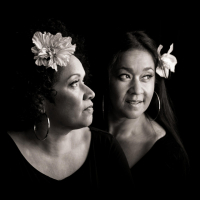
Tiddas

Rock
Folk Rock
Folk
 Viberate Rank: 338085
 Viberate Rank: 338085
 Monthly ListenersFollowers
 Subscribers
 Followers
 Followers
 FansTop Spotify Songs
| Track | 7-Day Streams | |
|---|---|---|
1 | 2.90K | |
2 | 2.75K | |
3 | 265 | |
4 | 236 | |
5 | 207 |
Top YouTube VideosMonthly ListenersFeatured in Playlists| Playlist | Followers | |
|---|---|---|
1 |  Blak Australia Spotify | 44.05K |
2 | Best Australian Songs bradleydriscoll | 38.58K |
3 |  This Is Archie Roach Spotify | 9.18K |
4 |  triple j's Hottest 100 of Australian Songs - Songs available for voting Alex Brabyn | 5.57K |
5 |  Too Deadly Bub Spotify | 5.16K |
Audience| City | Monthly Listeners | |
|---|---|---|
1 | | 1.54K |
2 | | 1.42K |
3 | | 929 |
4 | | 496 |
5 | | 388 |
See full performance history, audience data, playlist activity, rankings, comparisons, and more in Viberate music analytics. Start with a free trial, then continue with a paid plan.
Tiddas’ Spotify BioA delicate blend of acoustic guitars and rock sounds provided the backbone behind Lou Bennett, Sally Dastey, and Amy Saunders' folk-pop vocal harmonies. Forming in 1991 after working as backup singers for Saunders' brother Richard Franklin's band Djaambi, their name came from the Aboriginal word tiddas (meaning "sisters"), suggested by Koori singer Ruby Hunter.
Released in October 1992, the group's debut EP Inside My Kitchen brought two nominations at the 1992 Australian Record Industry Association (ARIA) Awards for Best New Talent and Best Indigenous Talent. The group supported Sweet Honey and Midnight Oil on tour before adding didgeridoo player Tim "Froggie" Holtze for their Sing About Life album, an acoustic-folk mix, released in late 1993. The record achieved gold status in Australia (35,000 copies sold) and won Best Indigenous Record at the 1993 ARIA Awards. National and international tours followed, including several WOMAD concerts. Sing About Life was released in the U.S. in… September 1995, spurring tours of North America and Europe.
The Black Sorrows' Joe Camilleri produced the group's second album, Tiddas, released in Australia in August 1996. A more rounded album than Sing About Life, it reached the Australian Top 40. The first single, "Ignorance Is Bliss," was reputedly inspired by an argument with Sir Bob Geldof while touring in 1993. Backing musicians on the album included the Black Sorrows' Jen Anderson on violin, Joe Camilleri on sax (on "Waving Goodbye"), Peter Luscombe on drums, Steven Hadley on bass, and Weddings, Parties, Anything's Mark "Squeezebox Wally" Wallace on piano accordion.
A new single, "Walk Alone," was released in 1997. ~ Brendan Swift, Rovi
Viberate is a music analytics platform built for A&Rs, artist managers, labels, booking agents, marketers, and artists.
It helps music professionals track artist growth, analyze audience data, monitor playlist activity, compare artists, follow song performance, and identify opportunities across the music market.
Public artist pages provide a free preview of selected artist data. Paid plans provide access to deeper analytics, historical data, charts, comparisons, playlist tools, exports, alerts, reports, and additional professional features.
Yes. Public Viberate artist pages provide selected artist analytics and music data for free.
Viberate also offers a 7-day free trial of the full platform. A credit card is required to start the trial. The trial includes access to the complete product so users can test deeper artist analytics, historical views, playlist insights, comparisons, charts, exports, alerts, and reporting features before choosing a paid plan.
Viberate provides artist analytics across streaming, playlists, social media, video, radio airplay, songs, and audience markets.
Users can analyze Spotify performance, Spotify and Apple Music playlists, YouTube activity, TikTok and Instagram growth, radio spins, song performance, audience locations, demographics, rankings, and overall artist momentum.
Artist profiles also connect to music charts, similar artists, and comparison tools, helping users benchmark performance and evaluate artists in context.
Viberate updates key artist and track data daily.
For followed artists and tracks, selected data is refreshed multiple times per day. This helps teams monitor playlist changes, streaming movement, audience growth, releases, and campaign performance with more current data.
Update frequency can vary depending on the metric and data source.
Yes. Viberate lets users compare up to five artists side by side across streaming, social media, audience, and engagement metrics.
Users can compare fanbase growth, audience demographics, locations, Spotify performance, social metrics, and other artist data over selected time periods.
Artist comparison can be used for A&R scouting, benchmarking, booking decisions, campaign planning, and evaluating artists with similar audiences or market positions.