Tia Carrera

Rock
Stoner Rock
 Viberate Rank: 422467
 Viberate Rank: 422467
 Monthly ListenersFollowers
 Subscribers
 Followers
 Followers
 FansTop Spotify Songs
| Track | 7-Day Streams | |
|---|---|---|
1 | 47 | |
2 | 33 | |
3 | 31 | |
4 | 31 | |
5 | 19 |
Top YouTube VideosMonthly ListenersFeatured in Playlists| Playlist | Followers | |
|---|---|---|
1 |  Stoner Rock & Psychedelic Space Rock StonerRock.Space | 36.07K |
2 |  Stoner Rock HEAVY PsychEdelic Stoner Guitar, Fuzz & PsychOdelic Space Rock, Jam Rock, Desert & DOOM Brad.Swartz.00 | 7.14K |
3 | Stoner Rock/Stoner Metal/Heavy Psych/Occult (old vs new) ragazzo-gr | 5.34K |
4 | Instrumental Psychedelic Stoner Rock Tugrul Ahtapot | 4.54K |
5 |  psych stoner doom blues rock metal chris | 3.77K |
Audience| City | Monthly Listeners | |
|---|---|---|
1 | | 13 |
2 | | 6 |
3 | | 6 |
4 | | 5 |
5 | | 5 |
See full performance history, audience data, playlist activity, rankings, comparisons, and more in Viberate music analytics. Start with a free trial, then continue with a paid plan.
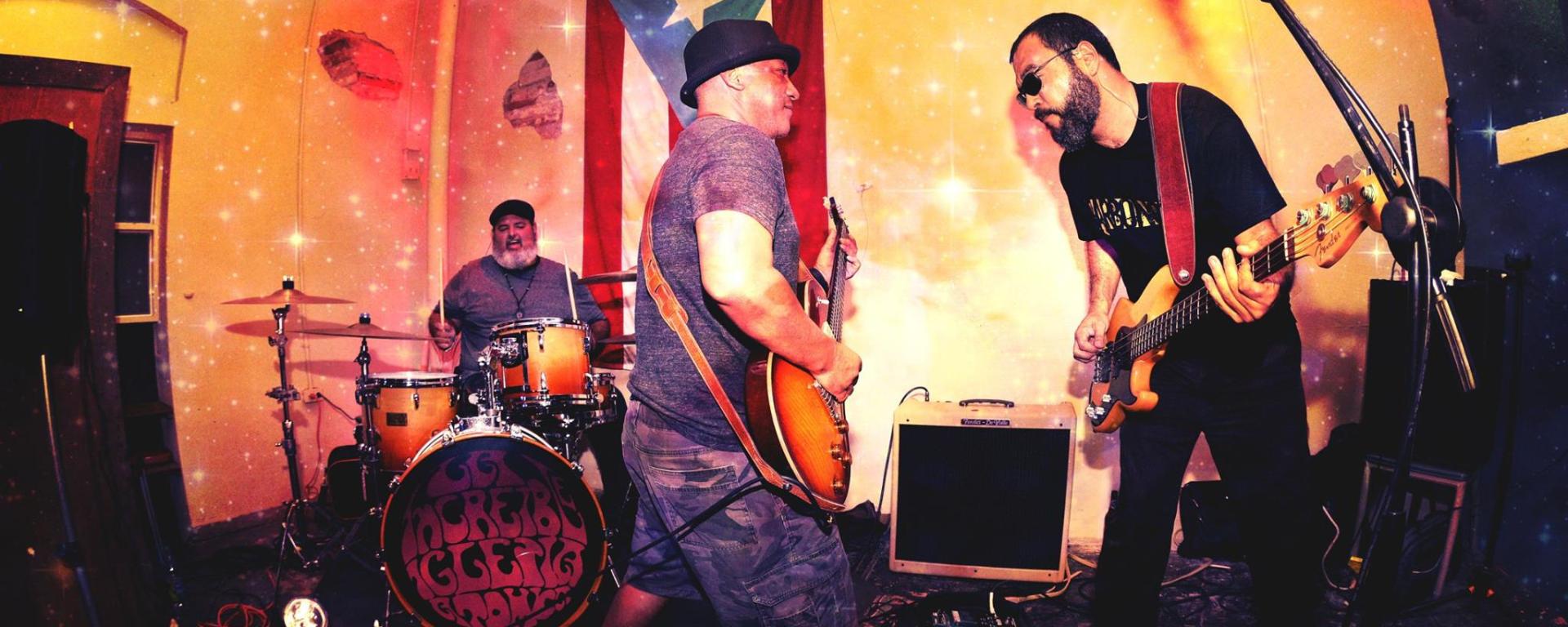
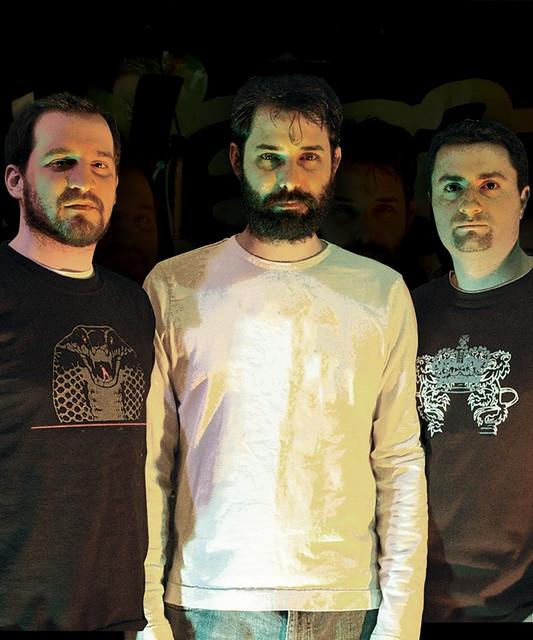
Tia Carrera’s Spotify BioMany bands improvise their music, but in the case of the Austin, TX-based Tia Carrera, it's their entire career that seems to have happened that way -- spontaneously and without an ounce of planning. Not to be confused with the actress and occasional singer Tia Carrere, the band was first established (if you could call it that) in 2003 by guitarist Jason Morales and drummer Erik Conn, who were soon joined by bassist Andrew Duplantis, but no full-time singer. After all, the trio's live in-studio jams on the raw materials of hard rock, stoner rock, space rock, psychedelic rock, and heavy metal (among other things) were hardly Top 40 material anyway, so singing was an afterthought, and it didn't stop a healthy cult from developing around the trio's sporadic performances and releases, including 2004's November Sessions, 2006's Tia Carrera, and 2007's Heaven/Hell EP. All of these were released by Australia's Cattle God Records, but Tia Carrera would link up with Detroit's Small Stone for… their next full-length, 2009's sardonically named The Quintessential. ~ Eduardo Rivadavia, Rovi
Viberate is a music analytics platform built for A&Rs, artist managers, labels, booking agents, marketers, and artists.
It helps music professionals track artist growth, analyze audience data, monitor playlist activity, compare artists, follow song performance, and identify opportunities across the music market.
Public artist pages provide a free preview of selected artist data. Paid plans provide access to deeper analytics, historical data, charts, comparisons, playlist tools, exports, alerts, reports, and additional professional features.
Yes. Public Viberate artist pages provide selected artist analytics and music data for free.
Viberate also offers a 7-day free trial of the full platform. A credit card is required to start the trial. The trial includes access to the complete product so users can test deeper artist analytics, historical views, playlist insights, comparisons, charts, exports, alerts, and reporting features before choosing a paid plan.
Viberate provides artist analytics across streaming, playlists, social media, video, radio airplay, songs, and audience markets.
Users can analyze Spotify performance, Spotify and Apple Music playlists, YouTube activity, TikTok and Instagram growth, radio spins, song performance, audience locations, demographics, rankings, and overall artist momentum.
Artist profiles also connect to music charts, similar artists, and comparison tools, helping users benchmark performance and evaluate artists in context.
Viberate updates key artist and track data daily.
For followed artists and tracks, selected data is refreshed multiple times per day. This helps teams monitor playlist changes, streaming movement, audience growth, releases, and campaign performance with more current data.
Update frequency can vary depending on the metric and data source.
Yes. Viberate lets users compare up to five artists side by side across streaming, social media, audience, and engagement metrics.
Users can compare fanbase growth, audience demographics, locations, Spotify performance, social metrics, and other artist data over selected time periods.
Artist comparison can be used for A&R scouting, benchmarking, booking decisions, campaign planning, and evaluating artists with similar audiences or market positions.