Thurl Ravenscroft

Religious
Gospel
Childrens music
 Viberate Rank: 43427
 Viberate Rank: 43427
 Monthly ListenersFollowers
 Subscribers
 Followers
 Followers
 FansTop Spotify Songs
| Track | 7-Day Streams | |
|---|---|---|
1 | 953.54K | |
2 | 711.07K | |
3 | 110.77K | |
4 | 35.82K | |
5 | 21.30K |
Top YouTube Videos| Video | 7-Day Views | |
|---|---|---|
1 | 4.93K | |
2 | 2.58K | |
3 | 337 | |
4 | 264 | |
5 | 209 |
Monthly ListenersFeatured in Playlists| Playlist | Followers | |
|---|---|---|
1 |  Christmas Classics Spotify | 3.71M |
2 | 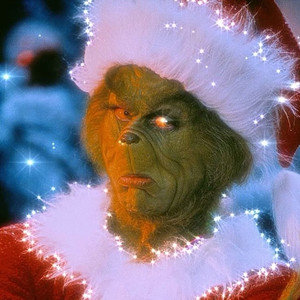 POPULAR CHRISTMAS MUSIC 🎅🏻🎄🎁 HITS 2026 Clark Shipley | 1.33M |
3 |  World’s Best Christmas Playlist Henry Janzen | 1.27M |
4 | 100 Best Disney Songs of All Time 1rene78 | 595.91K |
5 |  Disney Halloween Spotify | 478.91K |
Audience| City | Monthly Listeners | |
|---|---|---|
1 | | 18.91K |
2 | | 16.76K |
3 | | 15.41K |
4 | | 13.52K |
5 | | 13.16K |
See full performance history, audience data, playlist activity, rankings, comparisons, and more in Viberate music analytics. Start with a free trial, then continue with a paid plan.
Thurl Ravenscroft’s Spotify BioDespite a singing career that spanned from the 1930s to the 1970s, Thurl Ravenscroft is undoubtedly best known for applying his deep, rich vocal skills in a different professional pursuit -- specifically, for over half a century he was the inimitable voice of Kellogg's Corn Flakes icon Tony the Tiger. According to the exhaustive website All Things Thurl, Ravenscroft was born February 6, 1914, in Norfolk, NE, relocating to California at age 19 to study interior design at the Otis Art Institute. Colleagues in his church choir suggested that he audition as a studio singer at Paramount, and he soon became one of the most sought-after vocalists in Hollywood; by the mid-'30s, Ravenscroft was also a radio staple, co-starring on the program Goose Creek Parson before graduating to Bing Crosby's Kraft Music Hall as a member of the Paul Taylor Choristers. In 1938 Ravenscroft joined fellow Taylor Choristers Bill Days and Max Smith in the Sportsmen, who quickly became one of the busiest vocal… groups in radio -- at one point they were appearing on 14 different concurring programs, among Jack Benny's The Jell-O Radio Show, Rudy Vallée's The Sealtest Village Store, and The Burns and Allen Show.
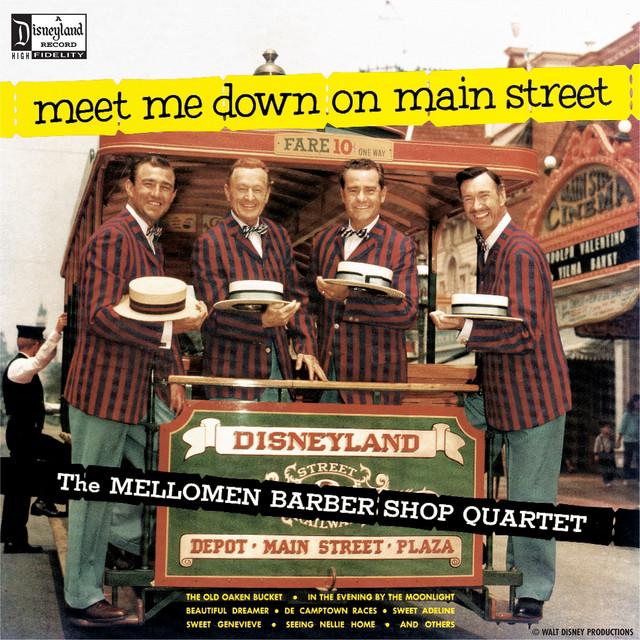
In 1942 Ravenscroft left the group to enlist in the Air Transport Command, serving five years as a navigator. Upon returning to Hollywood in 1947 he attempted to rejoin the Sportsmen, but the wife of his replacement, Gurney Bell, threatened a lawsuit if Bell was dismissed from the lineup; when Smith left the group the following year, he and Ravenscroft simply formed a new combo, the Mellomen. As a member of the Mellomen and as a solo gun-for-hire, Ravenscroft backed many of the most successful artists of the 1950s, including Frank Sinatra, Doris Day, Peggy Lee, and Tennessee Ernie Ford; he is prominently featured on Rosemary Clooney's 1954 classic "This Old House," cut a handful of duets with Roberta Lee and was spotlighted on the Spike Jones & His City Slickers efforts Bottoms Up and Dinner Music for People Who Aren't Very Hungry.
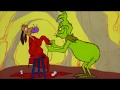
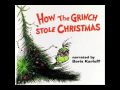
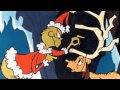
The Mellomen also were at the heart of the famed Norman Luboff Choir, but the group was even more successful in their voice-over work for television, film, and commercials. For Disney, they recorded the themes for the TV hits Davy Crockett, Zorro, The Mickey Mouse Club, and The Wonderful World of Color in addition to appearing on literally hundreds of the studio's children's recordings. Beginning in 1952, Ravenscroft was the voice of Tony the Tiger, coining the character's trademark tag line, "They're gr-r-r-r-r-r-reat!" In 1963, the Mellomen appeared opposite Elvis Presley in It Happened at the World's Fair, and three years later Ravenscroft was cast for the animated adaptation of the Dr. Seuss book How the Grinch Stole Christmas, a project highlighted by his immortal vocal turn on the song "You're a Mean One, Mr. Grinch"; he subsequently was cast in Horton Hears a Who, The Cat in the Hat, and The Lorax.
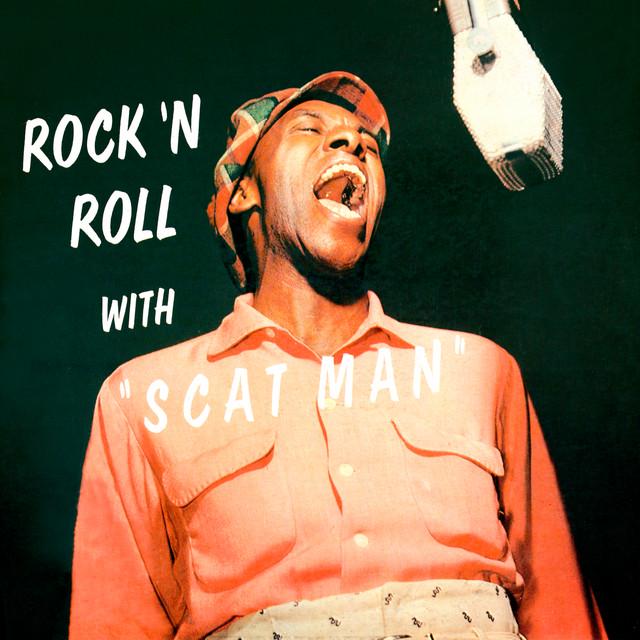
Ravenscroft's career as a solo artist was far more limited -- in 1955, he cut his first solo single, "Mad, Baby, Mad," followed a year later by "Dr. Geek." In conjunction with the 1962 World's Fair in Seattle, he also released the single "Big Paul Bunyan." The Thurl Ravenscroft Singers were credited for the LP 12 Great Hits, and in 1970 he issued perhaps his most successful solo recording, the Light Records release Great Hymns in Story and Song. Customcraft later released another Christian project, God's Plan for You. In later years Ravenscroft backed artists ranging from Jim Nabors to Arlo Guthrie and was an active member of the Johnny Mann Singers. He eased into retirement during the 1980s but continued serving as the voice of Tony the Tiger well into the 21st century. ~ Jason Ankeny, Rovi
Viberate is a music analytics platform built for A&Rs, artist managers, labels, booking agents, marketers, and artists.
It helps music professionals track artist growth, analyze audience data, monitor playlist activity, compare artists, follow song performance, and identify opportunities across the music market.
Public artist pages provide a free preview of selected artist data. Paid plans provide access to deeper analytics, historical data, charts, comparisons, playlist tools, exports, alerts, reports, and additional professional features.
Yes. Public Viberate artist pages provide selected artist analytics and music data for free.
Viberate also offers a 7-day free trial of the full platform. A credit card is required to start the trial. The trial includes access to the complete product so users can test deeper artist analytics, historical views, playlist insights, comparisons, charts, exports, alerts, and reporting features before choosing a paid plan.
Viberate provides artist analytics across streaming, playlists, social media, video, radio airplay, songs, and audience markets.
Users can analyze Spotify performance, Spotify and Apple Music playlists, YouTube activity, TikTok and Instagram growth, radio spins, song performance, audience locations, demographics, rankings, and overall artist momentum.
Artist profiles also connect to music charts, similar artists, and comparison tools, helping users benchmark performance and evaluate artists in context.
Viberate updates key artist and track data daily.
For followed artists and tracks, selected data is refreshed multiple times per day. This helps teams monitor playlist changes, streaming movement, audience growth, releases, and campaign performance with more current data.
Update frequency can vary depending on the metric and data source.
Yes. Viberate lets users compare up to five artists side by side across streaming, social media, audience, and engagement metrics.
Users can compare fanbase growth, audience demographics, locations, Spotify performance, social metrics, and other artist data over selected time periods.
Artist comparison can be used for A&R scouting, benchmarking, booking decisions, campaign planning, and evaluating artists with similar audiences or market positions.