Thunderstone

Metal
Power Metal
Heavy Metal
 Viberate Rank: 143707
 Viberate Rank: 143707
 Monthly ListenersFollowers
 Subscribers
 Followers
 Followers
 FansTop Spotify Songs
| Track | 7-Day Streams | |
|---|---|---|
1 | 5.64K | |
2 | 2.72K | |
3 | 2.30K | |
4 | 1.68K | |
5 | 1.64K |
Top YouTube VideosMonthly ListenersFeatured in Playlists| Playlist | Followers | |
|---|---|---|
1 | sad metal songs. Sebastian Finta | 78.46K |
2 |  The Sound of Everything The Sounds of Spotify | 53.81K |
3 | STREAMING MOTHERFUCKERS asmongold | 41.48K |
4 |  Power Speed and Metal Chris Entonie | 38.53K |
5 | Metal Covers of non-metal songs Jorge García | 30.13K |
Audience| City | Monthly Listeners | |
|---|---|---|
1 | | 1.44K |
2 |  | 996 |
3 |  | 982 |
4 |  | 553 |
5 | | 445 |
See full performance history, audience data, playlist activity, rankings, comparisons, and more in Viberate music analytics. Start with a free trial, then continue with a paid plan.
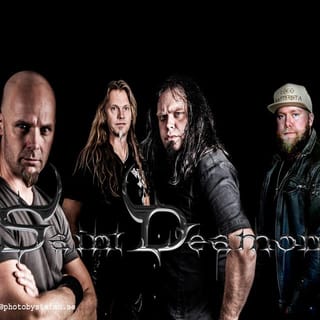
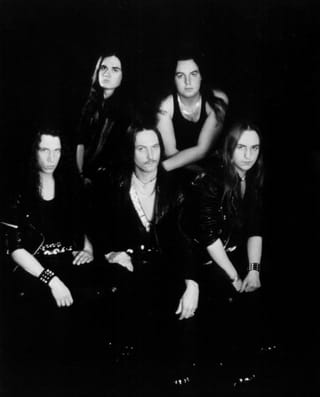
Thunderstone’s Spotify BioA melodic power metal unit from Helsinki, Finland, Thunderstone was originally formed simply for kicks in the year 2000 by guitarist Nino Laurenne. The band grew into a serious endeavor the following year with the arrival of singer Pasi Rantanen, keyboardist Kari Tornack, bassist Titus Hjelm, and drummer Mirka Rantanen. Soon armed with two promising demos, Thunderstone was courted and signed by Nuclear Blast, which issued the band's eponymous debut in June 2002. Stratovarius guitarist Timo Tolkki made a guest appearance on it, and later invited them to support his band, as well as America's Symphony X, on their European trek, after which Thunderstone reconvened in Helsinki to record their sophomore effort, The Burning, which was released in early 2004. 2005's Tools Of Destruction peaked at the #3 position on the Finnish albums chart, and 2007's Evolution 4.0 saw the group participating in the pre-selections of that year's popular Eurovision contest. 2009's Dirt Metal would be the… band's first outing with ex-At Vance vocalist Rick Altzi and new keyboardist Jukka Karinen (Status Minor), and in 2016 they issued their sixth studio long player, Apocalypse Again. ~ Eduardo Rivadavia, Rovi
Viberate is a music analytics platform built for A&Rs, artist managers, labels, booking agents, marketers, and artists.
It helps music professionals track artist growth, analyze audience data, monitor playlist activity, compare artists, follow song performance, and identify opportunities across the music market.
Public artist pages provide a free preview of selected artist data. Paid plans provide access to deeper analytics, historical data, charts, comparisons, playlist tools, exports, alerts, reports, and additional professional features.
Yes. Public Viberate artist pages provide selected artist analytics and music data for free.
Viberate also offers a 7-day free trial of the full platform. A credit card is required to start the trial. The trial includes access to the complete product so users can test deeper artist analytics, historical views, playlist insights, comparisons, charts, exports, alerts, and reporting features before choosing a paid plan.
Viberate provides artist analytics across streaming, playlists, social media, video, radio airplay, songs, and audience markets.
Users can analyze Spotify performance, Spotify and Apple Music playlists, YouTube activity, TikTok and Instagram growth, radio spins, song performance, audience locations, demographics, rankings, and overall artist momentum.
Artist profiles also connect to music charts, similar artists, and comparison tools, helping users benchmark performance and evaluate artists in context.
Viberate updates key artist and track data daily.
For followed artists and tracks, selected data is refreshed multiple times per day. This helps teams monitor playlist changes, streaming movement, audience growth, releases, and campaign performance with more current data.
Update frequency can vary depending on the metric and data source.
Yes. Viberate lets users compare up to five artists side by side across streaming, social media, audience, and engagement metrics.
Users can compare fanbase growth, audience demographics, locations, Spotify performance, social metrics, and other artist data over selected time periods.
Artist comparison can be used for A&R scouting, benchmarking, booking decisions, campaign planning, and evaluating artists with similar audiences or market positions.