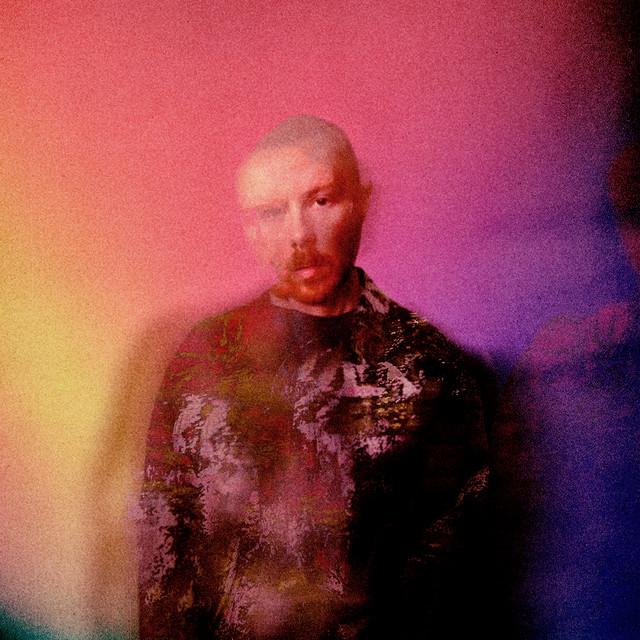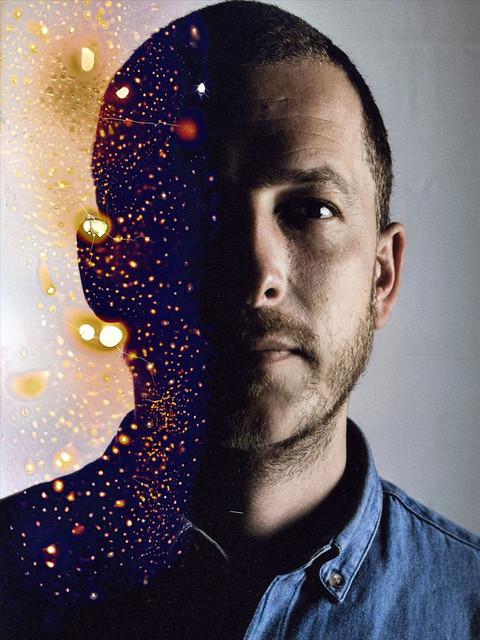
Throwing Snow

Electronic
Dubstep
Downtempo
Other Electronic Music
 Viberate Rank: 100992
 Viberate Rank: 100992
 Monthly ListenersFollowers
 Subscribers
 Followers
 Followers
 FansTop Spotify Songs
| Track | 7-Day Streams | |
|---|---|---|
1 | 43.12K | |
2 | 11.42K | |
3 | 7.75K | |
4 | 4.57K | |
5 | 4.08K |
Top YouTube VideosMonthly ListenersFeatured in Playlists| Playlist | Followers | |
|---|---|---|
1 |  Flume - Hi This Is Playlist Flume | 145.39K |
2 |  Minimal Techno alekzanther | 127.23K |
3 | Music Mix= Laura Taylor | 115.54K |
4 | Study - Techno/House (No Vocal) Pawel Jasik | 68.47K |
5 | Trip Hop // Beats Lapgan | 67.29K |
Audience| City | Monthly Listeners | |
|---|---|---|
1 | | 2.93K |
2 |  | 1.88K |
3 |  | 1.63K |
4 |  | 1.59K |
5 | | 1.56K |
See full performance history, audience data, playlist activity, rankings, comparisons, and more in Viberate music analytics. Start with a free trial, then continue with a paid plan.
Throwing Snow’s Spotify BioThrowing Snow is the alias of Ross Tones, a London-based dance music producer whose output has been compared to that of progressive dubstep figures Shackleton, Martyn, and Machinedrum. He debuted on his A Future Without label in 2007 with Footnotes, Pt. 1, a modest digital download EP. Short-form releases for labels like Ho-Tep and Sneaker Social Club trickled out sporadically through 2011, while the following year brought a pair of compelling EPs for Snowfall. During this period, additional strides were made with remixes for Gold Panda, Eskmo, Ital Tek, and Heathered Pearls. He also participated in a trip-hop-leaning group called Snow Ghosts, which also included Hannah Cartwright and Oli Knowles.
In 2014, Tones released a pair of his most advanced EPs through Fabric's Houndstooth division (which had also signed Snow Ghosts). They preceded the album Mosaic, also released on Houndstooth, later that year. Following the February 2015 release of Snow Ghosts' second album, Tones returned to… solo work with a trio of captivating digital singles, Lumen, Glower, and Xema (all collected as vinyl EP Axioms), before getting to work on his sophomore full-length. The record, titled Embers, was released once again through Houndstooth in January 2017. 2018 saw Throwing Snow sporadically release a number of singles such as "Simmer," "Myriad," and "Vulpine" -- all of which merged the composer's penchant for resonant ambience, breakneck drum'n'bass tempos, and pulsating techno-esque beats. November of that year saw the release of Loma -- a full-length effort that combined the aforementioned singles from throughout the year. The following November, he issued The Death of Pragmatism EP, which explored the political tensions and fragmentation in the U.K. related to Brexit. For his fourth record, 2021's Dragons, Tones created an algorithm that connected the music to images, both feeding off of each other to make unpredictable patterns which he then manipulated into tracks. He used this method to explore the purpose of music from its very beginning up until the use of machine learning, and how that has affected its trajectory. ~ Andy Kellman, Rovi
Viberate is a music analytics platform built for A&Rs, artist managers, labels, booking agents, marketers, and artists.
It helps music professionals track artist growth, analyze audience data, monitor playlist activity, compare artists, follow song performance, and identify opportunities across the music market.
Public artist pages provide a free preview of selected artist data. Paid plans provide access to deeper analytics, historical data, charts, comparisons, playlist tools, exports, alerts, reports, and additional professional features.
Yes. Public Viberate artist pages provide selected artist analytics and music data for free.
Viberate also offers a 7-day free trial of the full platform. A credit card is required to start the trial. The trial includes access to the complete product so users can test deeper artist analytics, historical views, playlist insights, comparisons, charts, exports, alerts, and reporting features before choosing a paid plan.
Viberate provides artist analytics across streaming, playlists, social media, video, radio airplay, songs, and audience markets.
Users can analyze Spotify performance, Spotify and Apple Music playlists, YouTube activity, TikTok and Instagram growth, radio spins, song performance, audience locations, demographics, rankings, and overall artist momentum.
Artist profiles also connect to music charts, similar artists, and comparison tools, helping users benchmark performance and evaluate artists in context.
Viberate updates key artist and track data daily.
For followed artists and tracks, selected data is refreshed multiple times per day. This helps teams monitor playlist changes, streaming movement, audience growth, releases, and campaign performance with more current data.
Update frequency can vary depending on the metric and data source.
Yes. Viberate lets users compare up to five artists side by side across streaming, social media, audience, and engagement metrics.
Users can compare fanbase growth, audience demographics, locations, Spotify performance, social metrics, and other artist data over selected time periods.
Artist comparison can be used for A&R scouting, benchmarking, booking decisions, campaign planning, and evaluating artists with similar audiences or market positions.