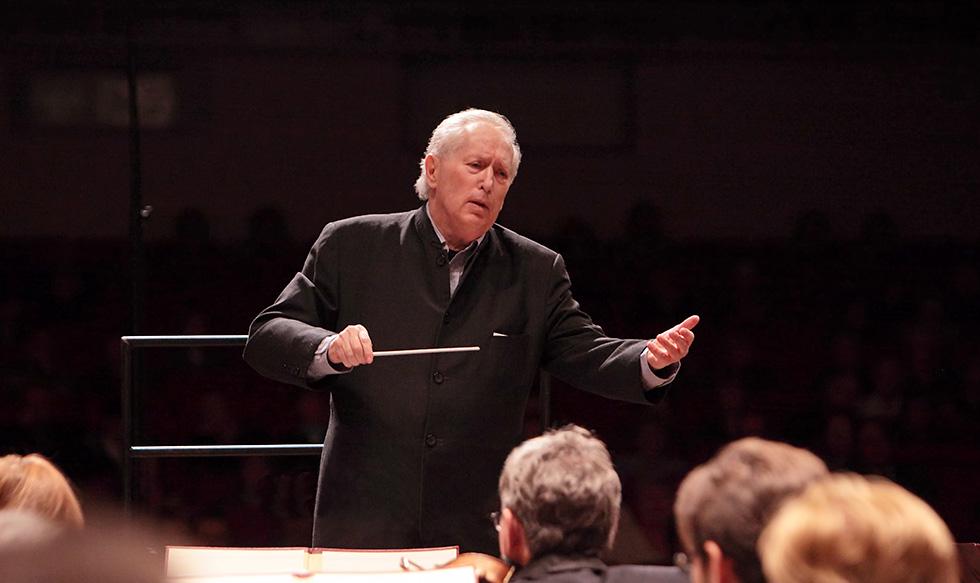
Thomas Sanderling

Classical
Orchestral
 Viberate Rank: 330541
 Viberate Rank: 330541
 Monthly ListenersFollowers
 Subscribers
 Followers
 Followers
 FansTop Spotify Songs
| Track | 7-Day Streams | |
|---|---|---|
1 | 4.05K | |
2 | 3.63K | |
3 | 3.31K | |
4 | 1.17K | |
5 | 280 |
Top YouTube VideosMonthly ListenersFeatured in Playlists| Playlist | Followers | |
|---|---|---|
1 |  Chilled Classical Spotify | 888.58K |
2 |  Soft Instrumental Spotify | 267.54K |
3 |  Classical Study Music for Focus 🎻🎶 Prime Feelings | 191.88K |
4 |  Reading while listening to classical music Irene | 16.27K |
5 |  Sad,very sad, classical music Peer Wijntjes | 12.86K |
Audience| City | Monthly Listeners | |
|---|---|---|
1 |  | 439 |
2 |  | 328 |
3 | | 255 |
4 |  | 245 |
5 |  | 232 |
See full performance history, audience data, playlist activity, rankings, comparisons, and more in Viberate music analytics. Start with a free trial, then continue with a paid plan.
Thomas Sanderling’s Spotify BioRussian-born conductor Thomas Sanderling is closely associated with the music of Dmitry Shostakovich. He has conducted a mixture of orchestras worldwide, generally to critical acclaim, and made a number of successful recordings. He has developed an equally respected reputation in opera, particularly for performances in the most important operatic centers in Germany, Austria, and Scandinavia. Despite his identity with Shostakovich, his repertory is broad, encompassing Mozart, Beethoven, Brahms, Wagner, and Dvorák, as well as moderns like Karl Weigl and Americans Menotti, Barber, and Tobias Picker.
Sanderling was born in Leningrad on October 2, 1942. His father, conductor Kurt Sanderling, was forced to flee Germany in 1936. Young Thomas studied first at the Leningrad Conservatory, then at the Hochschule für Musik in East Berlin. His first important post came at 24, when he was appointed director of the Hallé Opera. Throughout his early career, he centered his activity mostly in East… Berlin, often leading orchestras in Dresden and Leipzig.
In the 1970s he developed a friendship with the declining Shostakovich, who presented Sanderling with scores to his Thirteenth and Fourteenth symphonies. Sanderling later led the German premieres of those controversial works.
After serving as guest conductor at the Berlin Staatskapelle (1978-1983), he began conducting in Western European opera houses, notably at the Vienna State Opera, Deutsche Oper in Berlin, the Royal Danish Opera, and Finnish National Opera. Now he also began branching out in his orchestral activity, conducting orchestras throughout Europe and the United States.
In 1992 he was appointed music director of Japan's Osaka Symphony Orchestra. Sanderling's reputation grew as the new century approached, especially from critically successful recordings like his Mahler Sixth Symphony on the Real Sound label, and the complete symphonies of Albéric Magnard, released in 1999-2000 on BIS Records. Sanderling's success in the recording studio continued with the acclaimed Chandos issue in 2000 of works by contemporary American composer Steve Gerber, and in 2002 with a recording of the Karl Weigl Symphony No. 5 on BIS, which received a Cannes Classical Award in 2003, the conductor's second.
In 2004 Sanderling accepted the post of principal guest conductor of the Russian National Philharmonic Orchestra. He was active in several festivals honoring Shostakovich in 2006, and among his later recordings was a 2006 DG release of the rarely performed Shostakovich work The Tale of the Priest and His Servant, Balda.
In 2007, he conducted with the MDR Symphony Orchestra and the Philharmonie and also managed to record the complete works of Taneyev for Naxos.
Viberate is a music analytics platform built for A&Rs, artist managers, labels, booking agents, marketers, and artists.
It helps music professionals track artist growth, analyze audience data, monitor playlist activity, compare artists, follow song performance, and identify opportunities across the music market.
Public artist pages provide a free preview of selected artist data. Paid plans provide access to deeper analytics, historical data, charts, comparisons, playlist tools, exports, alerts, reports, and additional professional features.
Yes. Public Viberate artist pages provide selected artist analytics and music data for free.
Viberate also offers a 7-day free trial of the full platform. A credit card is required to start the trial. The trial includes access to the complete product so users can test deeper artist analytics, historical views, playlist insights, comparisons, charts, exports, alerts, and reporting features before choosing a paid plan.
Viberate provides artist analytics across streaming, playlists, social media, video, radio airplay, songs, and audience markets.
Users can analyze Spotify performance, Spotify and Apple Music playlists, YouTube activity, TikTok and Instagram growth, radio spins, song performance, audience locations, demographics, rankings, and overall artist momentum.
Artist profiles also connect to music charts, similar artists, and comparison tools, helping users benchmark performance and evaluate artists in context.
Viberate updates key artist and track data daily.
For followed artists and tracks, selected data is refreshed multiple times per day. This helps teams monitor playlist changes, streaming movement, audience growth, releases, and campaign performance with more current data.
Update frequency can vary depending on the metric and data source.
Yes. Viberate lets users compare up to five artists side by side across streaming, social media, audience, and engagement metrics.
Users can compare fanbase growth, audience demographics, locations, Spotify performance, social metrics, and other artist data over selected time periods.
Artist comparison can be used for A&R scouting, benchmarking, booking decisions, campaign planning, and evaluating artists with similar audiences or market positions.