Thomas Roussel

Classical
Chamber Music
House
Other Electronic Music
 Viberate Rank: 122839
 Viberate Rank: 122839
 Monthly ListenersFollowers
 Subscribers
 Followers
 Followers
 FansTop Spotify Songs
| Track | 7-Day Streams | |
|---|---|---|
1 | 8.06K | |
2 | 1.07K | |
3 | 741 | |
4 | 403 | |
5 | 395 |
Top YouTube Videos| Video | 7-Day Views | |
|---|---|---|
1 | 27.18K | |
2 | 479 | |
3 | 329 | |
4 | 293 | |
5 | 185 |
Monthly ListenersFeatured in Playlists| Playlist | Followers | |
|---|---|---|
1 |  Living In My Headphones James Lavelle (UNKLE) | 16.04K |
2 |  In-Flight Radio curated by Flight Facilities Flight Facilities | 12.85K |
3 |  This Is Breakbot Spotify | 11.53K |
4 |  This Is Cassius Spotify | 9.30K |
5 |  This Is Laurent Garnier Spotify | 7.84K |
Audience| City | Monthly Listeners | |
|---|---|---|
1 | | 1.62K |
2 |  | 483 |
3 | | 412 |
4 |  | 400 |
5 |  | 363 |
See full performance history, audience data, playlist activity, rankings, comparisons, and more in Viberate music analytics. Start with a free trial, then continue with a paid plan.
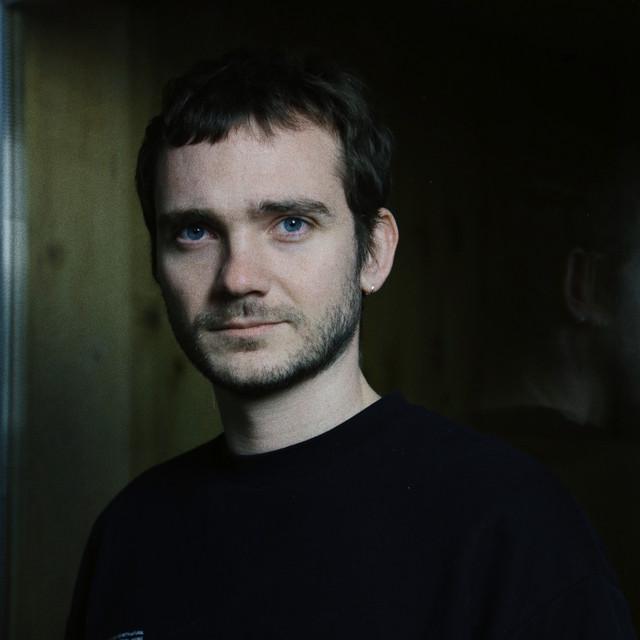
Thomas Roussel’s Spotify BioThomas Roussel is a French composer and conductor based in Paris. Trained in classical music (violin, piano and composition) and passionate about electronic music, he is one of the pioneers of the techno-symphonic style – he created “Blue Potential” along with Detroit techno superstar Jeff Mills. For over twenty years, he has repeatedly collaborated with the worlds of fashion, cinema and luxury. He created music for many fashion shows (Chanel, Dior, Givenchy, Valentino, Kenzo, Cartier, Louis Vuitton), films and events in exceptional places, all over the world: the Forbidden City in Beijing, the Lincoln Center in New York, the 2020 Dubai Expo or even on the Seine in Paris for the 2024 Olympics bid. Thomas Roussel is known for his creative reimagining of the symphonic orchestra layout. He also worked with iconic ensembles: the London Symphony Orchestra, the Orchestre Philharmonique de Radio France... After a first album under the alias Prequell in 2017, he was appointed by Busy P to… orchestrate Ed Banger’s 15th birthday : Thomas Roussel turned electronic classics by Justice, SebastiAn or Laurent Garnier into a grand symphonic concert. 2022 opened a new chapter with the release of his first EP, LATE METAL on Ed Banger Records. In June 2023, Thomas Roussel was the conductor and musical director for Pharrell Williams' debut show at Louis Vuitton, on the Pont Neuf in Paris. ‘No Artificial Light’ featuring Jamilah Barry reaffirms his bond with Ed Banger released in November 2023.
Viberate is a music analytics platform built for A&Rs, artist managers, labels, booking agents, marketers, and artists.
It helps music professionals track artist growth, analyze audience data, monitor playlist activity, compare artists, follow song performance, and identify opportunities across the music market.
Public artist pages provide a free preview of selected artist data. Paid plans provide access to deeper analytics, historical data, charts, comparisons, playlist tools, exports, alerts, reports, and additional professional features.
Yes. Public Viberate artist pages provide selected artist analytics and music data for free.
Viberate also offers a 7-day free trial of the full platform. A credit card is required to start the trial. The trial includes access to the complete product so users can test deeper artist analytics, historical views, playlist insights, comparisons, charts, exports, alerts, and reporting features before choosing a paid plan.
Viberate provides artist analytics across streaming, playlists, social media, video, radio airplay, songs, and audience markets.
Users can analyze Spotify performance, Spotify and Apple Music playlists, YouTube activity, TikTok and Instagram growth, radio spins, song performance, audience locations, demographics, rankings, and overall artist momentum.
Artist profiles also connect to music charts, similar artists, and comparison tools, helping users benchmark performance and evaluate artists in context.
Viberate updates key artist and track data daily.
For followed artists and tracks, selected data is refreshed multiple times per day. This helps teams monitor playlist changes, streaming movement, audience growth, releases, and campaign performance with more current data.
Update frequency can vary depending on the metric and data source.
Yes. Viberate lets users compare up to five artists side by side across streaming, social media, audience, and engagement metrics.
Users can compare fanbase growth, audience demographics, locations, Spotify performance, social metrics, and other artist data over selected time periods.
Artist comparison can be used for A&R scouting, benchmarking, booking decisions, campaign planning, and evaluating artists with similar audiences or market positions.