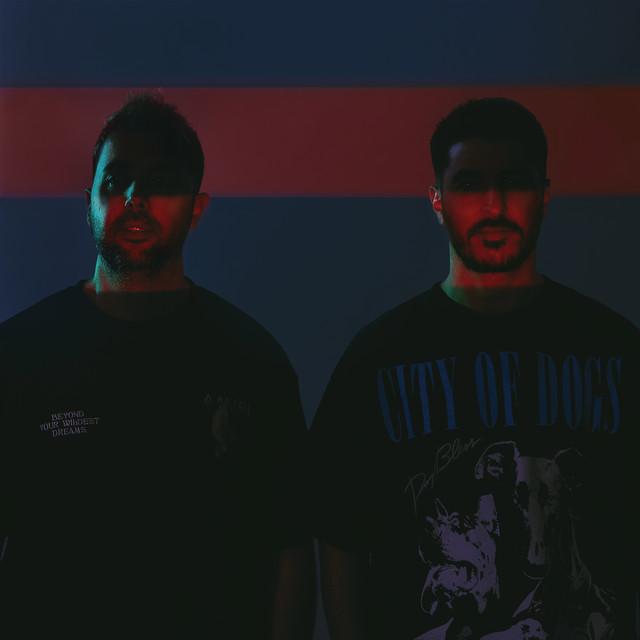
Thomas Feelman

Electronic
Dance
House
Deep House
 Viberate Rank: 218000
 Viberate Rank: 218000
 Monthly ListenersFollowers
 Subscribers
 Followers
 Followers
 FansTop Spotify Songs
| Track | 7-Day Streams | |
|---|---|---|
1 | 1.01K | |
2 | 974 | |
3 | 180 | |
4 | 157 | |
5 | 146 |
Top YouTube VideosMonthly ListenersFeatured in Playlists| Playlist | Followers | |
|---|---|---|
1 |  Deep House & Dance Jared Moreno | 191.17K |
2 |  Spinnin' Records loicgrandgirard | 112.48K |
3 |  Progressive House Spinnin’ Records | 94.99K |
4 |  Electronica 2020 🔥 Jared Moreno | 72.90K |
5 |  Revealed Recordings Releases Hardwell | 36.91K |
Audience| City | Monthly Listeners | |
|---|---|---|
1 |  | 74 |
2 |  | 72 |
3 |  | 68 |
4 | | 66 |
5 |  | 59 |
See full performance history, audience data, playlist activity, rankings, comparisons, and more in Viberate music analytics. Start with a free trial, then continue with a paid plan.
Thomas Feelman’s Spotify BioBorn in the early 90s, Thomas got quickly caught by his passion for music. He started to learn guitar, piano, music theory and decided to become a sound engineer.
Thomas Feelman mades his first big impression on the EDM scene by releasing Touch Faith - Original Mix on Kryder’s label Sosumi Records. Later, with Recall the frenchman gained support from one of the three Swedish House Mafia member’s, Steve Angello. Which then encouraged him by releasing Never Stop, Maasai & White Label (Is This Love) [Thomas Feelman & STV Remix], on his prestigious label Size Records.
Thomas carried on his journey by releasing Caveman (feat. Luciana) on Musical Freedom and Zephyr on Doorn Records.
Further throughout the years, Thomas also gained support from big DJs like Axwell Λ Ingrosso, Nicky Romero, Tiesto, David Guetta, Martin Garrix and many more.
Thomas started to received great feedbacks on his rare live DJ sets in Paris, Amsterdam and Liverpool.
Much more is to come from Thomas in the near future.
Viberate is a music analytics platform built for A&Rs, artist managers, labels, booking agents, marketers, and artists.
It helps music professionals track artist growth, analyze audience data, monitor playlist activity, compare artists, follow song performance, and identify opportunities across the music market.
Public artist pages provide a free preview of selected artist data. Paid plans provide access to deeper analytics, historical data, charts, comparisons, playlist tools, exports, alerts, reports, and additional professional features.
Yes. Public Viberate artist pages provide selected artist analytics and music data for free.
Viberate also offers a 7-day free trial of the full platform. A credit card is required to start the trial. The trial includes access to the complete product so users can test deeper artist analytics, historical views, playlist insights, comparisons, charts, exports, alerts, and reporting features before choosing a paid plan.
Viberate provides artist analytics across streaming, playlists, social media, video, radio airplay, songs, and audience markets.
Users can analyze Spotify performance, Spotify and Apple Music playlists, YouTube activity, TikTok and Instagram growth, radio spins, song performance, audience locations, demographics, rankings, and overall artist momentum.
Artist profiles also connect to music charts, similar artists, and comparison tools, helping users benchmark performance and evaluate artists in context.
Viberate updates key artist and track data daily.
For followed artists and tracks, selected data is refreshed multiple times per day. This helps teams monitor playlist changes, streaming movement, audience growth, releases, and campaign performance with more current data.
Update frequency can vary depending on the metric and data source.
Yes. Viberate lets users compare up to five artists side by side across streaming, social media, audience, and engagement metrics.
Users can compare fanbase growth, audience demographics, locations, Spotify performance, social metrics, and other artist data over selected time periods.
Artist comparison can be used for A&R scouting, benchmarking, booking decisions, campaign planning, and evaluating artists with similar audiences or market positions.