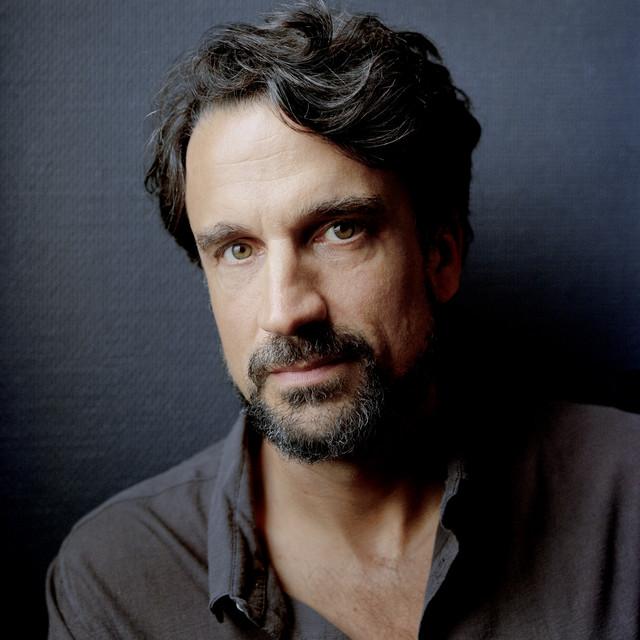
Thomas Dutronc

Pop
Indie Pop
Jazz Fusion
 Viberate Rank: 38806
 Viberate Rank: 38806
 Monthly ListenersFollowers
 Subscribers
 Followers
 Followers
 FansTop Spotify Songs
| Track | 7-Day Streams | |
|---|---|---|
1 | 37.49K | |
2 | 32.19K | |
3 | 22.31K | |
4 | 17.64K | |
5 | 11.49K |
Top YouTube Videos| Video | 7-Day Views | |
|---|---|---|
1 | 2.88K | |
2 | 1.09K | |
3 | 1.09K | |
4 | 884 | |
5 | 866 |
Monthly ListenersFeatured in Playlists| Playlist | Followers | |
|---|---|---|
1 |  Easy Jazz Spotify | 751.02K |
2 |  French Jazz Café Spotify | 723.88K |
3 |  French Cafe Lounge Kam Diba | 469.36K |
4 |  Good Morning Jazz Spotify | 449.09K |
5 |  Disney Francais 🪝 | 248.90K |
Audience| City | Monthly Listeners | |
|---|---|---|
1 | | 9.92K |
2 |  | 3.43K |
3 | | 3.06K |
4 | | 2.87K |
5 |  | 2.81K |
See full performance history, audience data, playlist activity, rankings, comparisons, and more in Viberate music analytics. Start with a free trial, then continue with a paid plan.
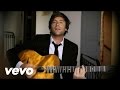
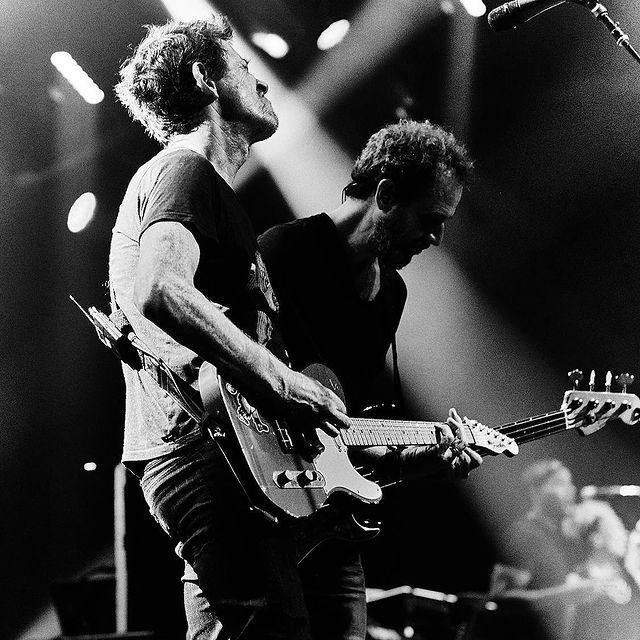
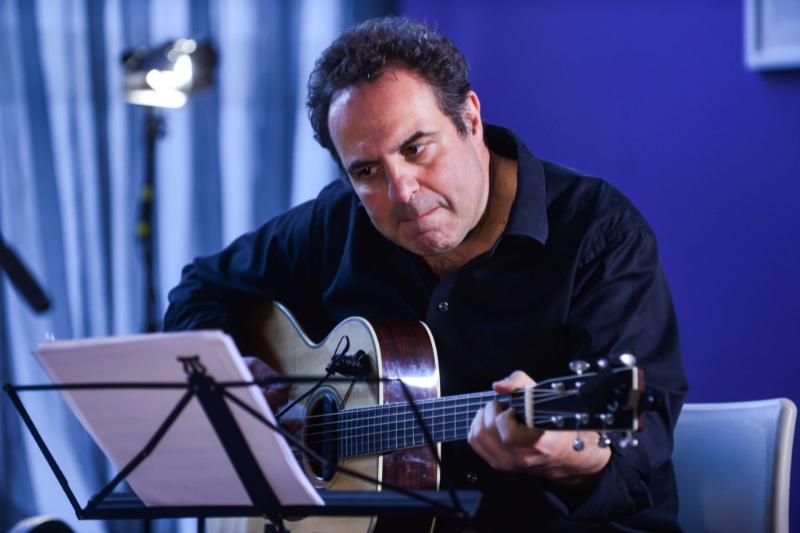
Thomas Dutronc’s Spotify BioFrench singer, songwriter, and guitarist Thomas Dutronc rose to success in the latter half of the 2000s with a beguiling amalgam of Gypsy jazz, indie rock, chanson, and pop. The son of musical and cultural icons Jacques Dutronc and Françoise Hardy, Thomas helped carry the torch of his parents' legacy into the 21st century while forging his own distinctive career with Top Five albums like 2007's Comme Un Manouche Sans Guitare and 2011's Silence on Tourne, On Tourne en Rond. Parallel to his solo career, Dutronc has collaborated widely with artists ranging from Charles Aznavour and Véronique Sanson to Iggy Pop and Imelda May, not to mention his own parents. Following 2018's Live Is Love, which documented a 50-city French tour, Dutronc worked with the Blue Note label to release the 2020 passion project Frenchy, a tribute to classic French songs that featured eclectic guests like Diana Krall, Billy Gibbons, and Jeff Goldblum. Two years later, he teamed up with his father for a retrospective… tour celebrating both of their catalogs. It resulted in the 2022 album Dutronc & Dutronc.
Dutronc was born in 1973 to the original yé-yé girl, Francoise Hardy, and singer, songwriter, guitarist, and producer Jacques Dutronc. Though enamored with the French pop both of his parents became world-renowned for, he fell in love with Gypsy ("manouche") jazz during his teenage years after hearing the recordings of guitarist Django Reinhardt with violinist Stephane Grappelli and the Hot Club of France. Already an adept photographer, he shifted his focus to learning Gypsy guitar at age 18 and began writing songs. Dutronc began working professionally with his father on the latter's 1995 outing Rencontres Brèves, while also acting as a sideman for jazz guitarist Romane (Patrick Leguidecoq). In 2000, he guested on his mother's Clair-Obscur, where he made the acquaintance of fellow guest Iggy Pop. Over the next several years, Dutronc collaborated with a diverse range of artists including Bireli Lagrene, Les Rita Mitsouko, M (Matthieu Chedid), and Henri Salvador, became Hardy's guitarist, and also produced on his parents' albums including Jacques Dutronc's Madame L'Existence (2003), and Hardy's Tant De Belles Choses (2004). In 2007, after appearing as a vocalist and guitarist on the David Fackeure Quartet's Jazz on Biguine, Vol. 2, Thomas Dutronc signed to Universal Music, and released his debut album, Comme Un Manouche Sans Guitare. The set reached number five on the French album charts and registered a Top Ten spot in Belgium as well. In 2008, he won a Globes de Cristal Award as Best Male Singer of the year for the album and in 2009, took home the Victoires de la Musique award for Original Song of the Year for Comme Un Manouche Sans Guitare title track.
Dutronc's dry wit and self-effacing humor combined with that friendly singing voice (that closely resembles his father's), endeared him to audiences all over the region. Over the next several years, he toured with his quintet while also making time for studio work with revered French artists such as Eddy Mitchell and Charles Aznavour. He penned the title track to an otherwise Eric Serra-composed score for Luc Besson's film Les Aventures Extraordinaires d'Adèle Blanc-Sec. In 2011, Dutronc returned with Silence on Tourne, On Tourne en Rond, an album which showcased his seamless fusion of manouche and indie rock. It peaked at number two on the French and Belgian album charts and placed in Switzerland. An intensive round of European touring followed in support of the recording. Almost two years later, he and Imelda May paired up to issue the single "Clint (Silence on Tourne)," which also charted. In 2014, Dutronc guested as guitarist on Paris, the fourth album by Zaz (Isabelle Geffroy).
Returning to solo work in 2015, he issued Éternels Jusqu'à Demain, recorded in London with his quintet, a choir, and orchestra. His father Jacques Dutronc guested on the track "Je'suis Personne" and the album peaked at four in France and five in Belgium. The following year, while still touring, Dutronc guested on Veronique Sanson's Dignes, Dingues, Donc... as a lead guitarist. In 2017, he took part in the Amazing Keystone Big Band's homage Django Extended. Dutronc released the concert outing Live Is Love in 2018. Recorded across France, its contents were equally divided between his best-known works and new, unreleased material.
Released by Blue Note in the spring of 2020, Frenchy was something of a dream project for Dutronc. An album dedicated to French song, it featured compositions associated with its greatest singers and songwriters. In addition to his own group, Dutronc invited friends to collaborate, among them Diana Krall, Iggy Pop, Billy Gibbons, Jeff Goldblum, and Haley Reinhart. Although they had worked together at various points during their respective careers, in 2022 Thomas and Jacques teamed up as a father and son duo for a major tour that served as a retrospective for both artists. The tour culminated with the November release of a collaborative album, Dutronc & Dutronc, which featured reworked studio versions of songs from each of their catalogs. ~ Thom Jurek, Rovi
Viberate is a music analytics platform built for A&Rs, artist managers, labels, booking agents, marketers, and artists.
It helps music professionals track artist growth, analyze audience data, monitor playlist activity, compare artists, follow song performance, and identify opportunities across the music market.
Public artist pages provide a free preview of selected artist data. Paid plans provide access to deeper analytics, historical data, charts, comparisons, playlist tools, exports, alerts, reports, and additional professional features.
Yes. Public Viberate artist pages provide selected artist analytics and music data for free.
Viberate also offers a 7-day free trial of the full platform. A credit card is required to start the trial. The trial includes access to the complete product so users can test deeper artist analytics, historical views, playlist insights, comparisons, charts, exports, alerts, and reporting features before choosing a paid plan.
Viberate provides artist analytics across streaming, playlists, social media, video, radio airplay, songs, and audience markets.
Users can analyze Spotify performance, Spotify and Apple Music playlists, YouTube activity, TikTok and Instagram growth, radio spins, song performance, audience locations, demographics, rankings, and overall artist momentum.
Artist profiles also connect to music charts, similar artists, and comparison tools, helping users benchmark performance and evaluate artists in context.
Viberate updates key artist and track data daily.
For followed artists and tracks, selected data is refreshed multiple times per day. This helps teams monitor playlist changes, streaming movement, audience growth, releases, and campaign performance with more current data.
Update frequency can vary depending on the metric and data source.
Yes. Viberate lets users compare up to five artists side by side across streaming, social media, audience, and engagement metrics.
Users can compare fanbase growth, audience demographics, locations, Spotify performance, social metrics, and other artist data over selected time periods.
Artist comparison can be used for A&R scouting, benchmarking, booking decisions, campaign planning, and evaluating artists with similar audiences or market positions.