This Will Destroy Your Ears

Punk
Hardcore Punk
Noise Rock
 Viberate Rank: 450031
 Viberate Rank: 450031
 Monthly ListenersFollowers
 Subscribers
 Followers
 Followers
 FansTop Spotify Songs
| Track | 7-Day Streams | |
|---|---|---|
1 | 19 | |
2 | 18 | |
3 | 16 | |
4 | 8 | |
5 | 6 |
Top YouTube VideosMonthly ListenersFeatured in PlaylistsAudience| City | Monthly Listeners | |
|---|---|---|
1 | | 9 |
2 |  | 3 |
See full performance history, audience data, playlist activity, rankings, comparisons, and more in Viberate music analytics. Start with a free trial, then continue with a paid plan.
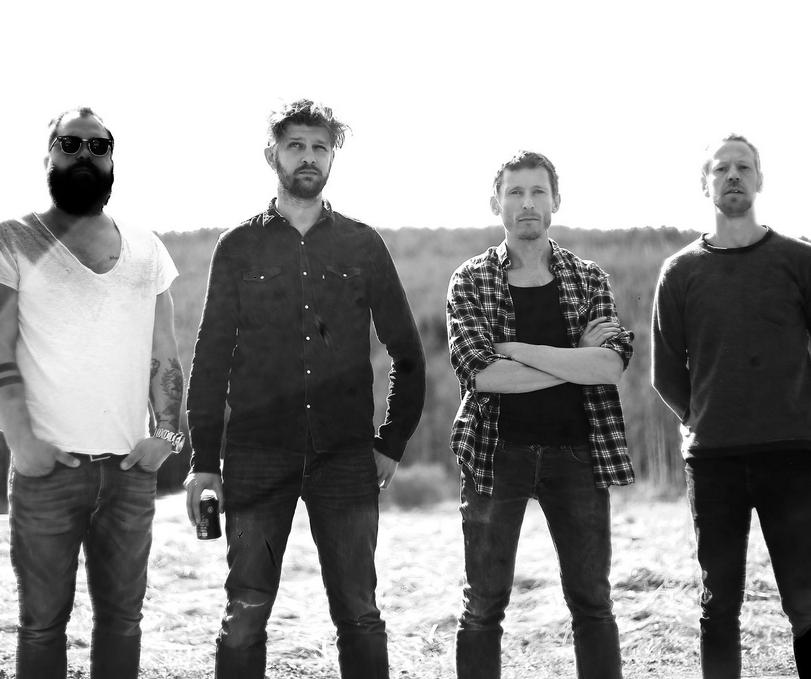
This Will Destroy Your Ears’ Spotify BioThis Will Destroy Your Ears formed in 2018 in southwest France and hit the UK roads immediately, sharing stages with USA Nails, JOHN, and Black Midi. That first tour — in a beat-up Renault Master named Georges — set the tone: raw, loud, and fiercely DIY.
Their debut album CLEAR (2019), recorded in their Angresse HQ pARPAINg with Dorian Verdier (JC Satàn) and Boris Lehachoir, was mixed in London by Wayne Adams (Petbrick, Green Lung) and released on their own label, Cowboy À La Mode.
The band built bridges between French and UK scenes, and in 2022 joined À TOI À MOI, a split 12” with Shoefiti, The Eurosuite, and Naguals. That year also brought mentorship from The Inspector Cluzo and a second album, Everybody Knows Mickey, recorded with Henri D’Armancourt (Steve Amber, The Psychotic Monks), mixed by Alex Greaves (Heavy Lungs, LICE), and released via À Tant Rêver Du Roi and Brutalist Records.
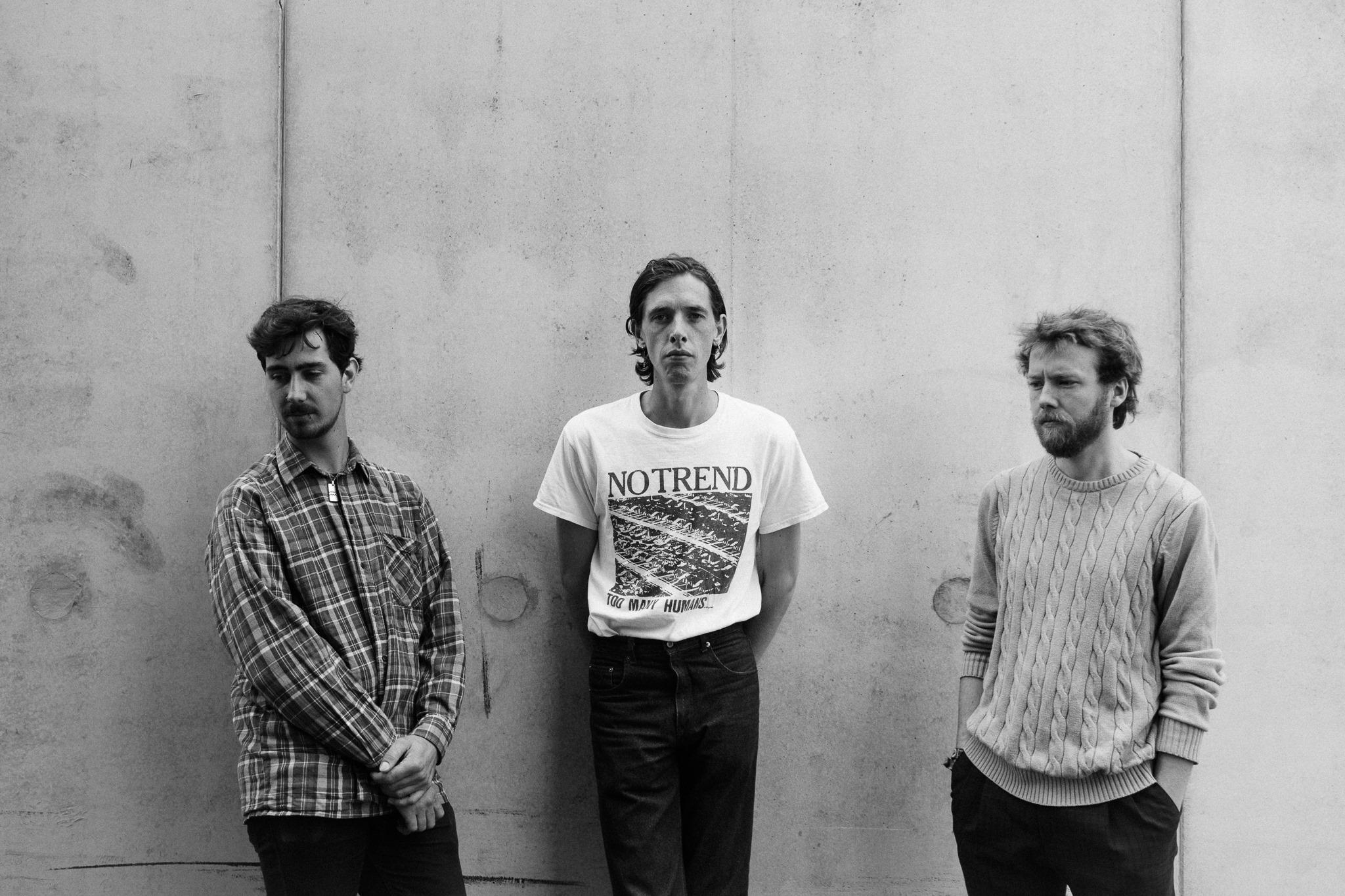
From 2022–2024, the trio toured relentlessly with Slift, METZ, Frustration, PENICHE and others,… crafting a sound that’s abrasive, unfiltered, sometimes tender — and always loud. Meanwhile, they built their own studio, Recording United, inside the Landes-based art hub Kontainer.
Their third album, FUNLAND — inspired by the faded chaos of Blackpool — was produced by Ben Hampson (DITZ) and mastered by Katie Tavini (Bloc Party). It drops October 10, 2025, on Luik Music, À Tant Rêver Du Roi, Cowboy À La Mode, and Conicle Records (cassette, obviously).
Viberate is a music analytics platform built for A&Rs, artist managers, labels, booking agents, marketers, and artists.
It helps music professionals track artist growth, analyze audience data, monitor playlist activity, compare artists, follow song performance, and identify opportunities across the music market.
Public artist pages provide a free preview of selected artist data. Paid plans provide access to deeper analytics, historical data, charts, comparisons, playlist tools, exports, alerts, reports, and additional professional features.
Yes. Public Viberate artist pages provide selected artist analytics and music data for free.
Viberate also offers a 7-day free trial of the full platform. A credit card is required to start the trial. The trial includes access to the complete product so users can test deeper artist analytics, historical views, playlist insights, comparisons, charts, exports, alerts, and reporting features before choosing a paid plan.
Viberate provides artist analytics across streaming, playlists, social media, video, radio airplay, songs, and audience markets.
Users can analyze Spotify performance, Spotify and Apple Music playlists, YouTube activity, TikTok and Instagram growth, radio spins, song performance, audience locations, demographics, rankings, and overall artist momentum.
Artist profiles also connect to music charts, similar artists, and comparison tools, helping users benchmark performance and evaluate artists in context.
Viberate updates key artist and track data daily.
For followed artists and tracks, selected data is refreshed multiple times per day. This helps teams monitor playlist changes, streaming movement, audience growth, releases, and campaign performance with more current data.
Update frequency can vary depending on the metric and data source.
Yes. Viberate lets users compare up to five artists side by side across streaming, social media, audience, and engagement metrics.
Users can compare fanbase growth, audience demographics, locations, Spotify performance, social metrics, and other artist data over selected time periods.
Artist comparison can be used for A&R scouting, benchmarking, booking decisions, campaign planning, and evaluating artists with similar audiences or market positions.