Thine

Metal
Gothic Metal
 Viberate Rank: 678804
 Viberate Rank: 678804
 Monthly ListenersFollowers
 Subscribers
 Followers
 Followers
 FansTop Spotify Songs
| Track | 7-Day Streams | |
|---|---|---|
1 | 29 | |
2 | 13 | |
3 | 12 | |
4 | 8 | |
5 | 5 |
Top YouTube VideosMonthly ListenersFeatured in Playlists| Playlist | Followers | |
|---|---|---|
1 |  Gothic Metal for Dark Moments GA | 4.73K |
Audience| City | Monthly Listeners | |
|---|---|---|
1 |  | 4 |
2 |  | 3 |
3 | | 3 |
4 |  | 3 |
See full performance history, audience data, playlist activity, rankings, comparisons, and more in Viberate music analytics. Start with a free trial, then continue with a paid plan.
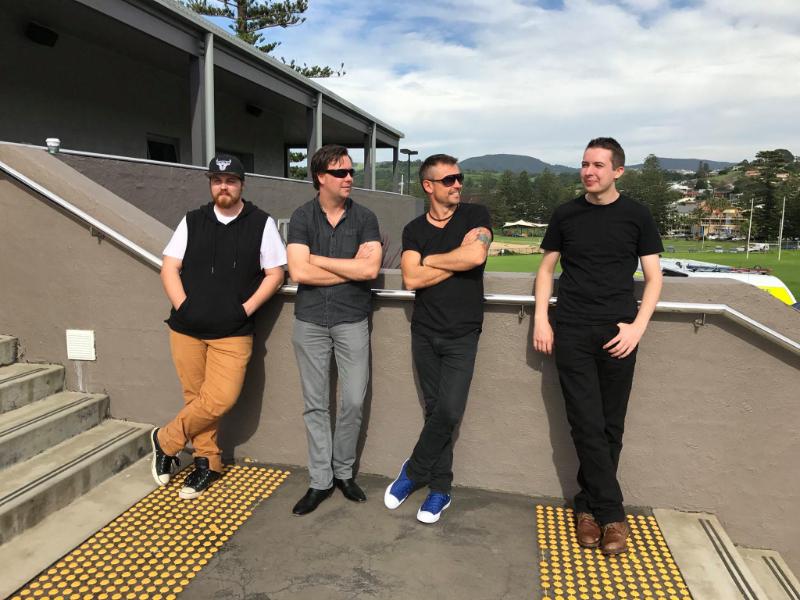
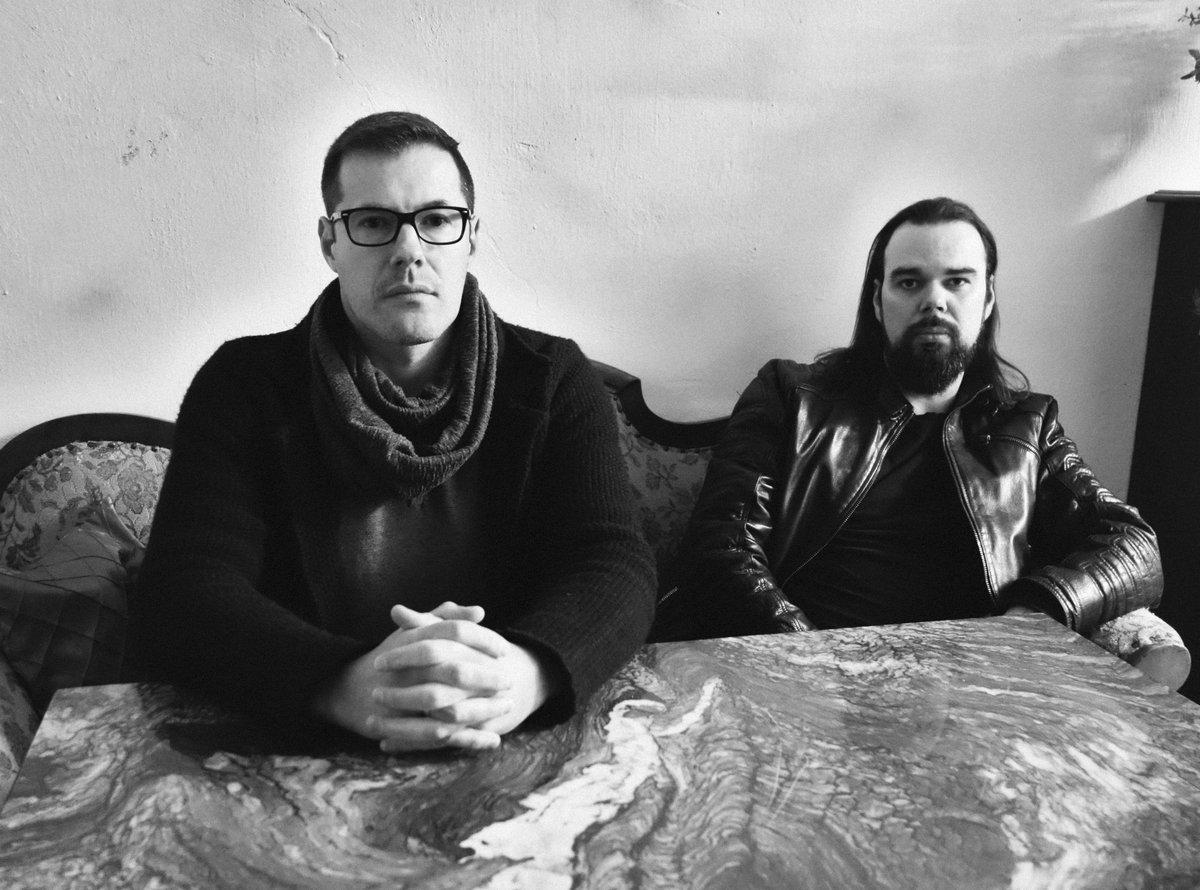
Thine’s Spotify BioOne of the most powerful forces in the goth metal underground, Thine stepped into the spotlight in the late '90s and continued to make waves throughout the next few years. It all started in 1996 when singer Alan, guitarist Paul, and drummer Dan came together due to their love of heavy music. Putting together the rough Journey's demo later that year, a member of Black Tears Records' staff heard the record and recommended them to be signed. Journey's was released as an EP and immediately began racking up positive opinions from metal zines. The band went into a furious writing stage and recorded a tape for their friends to get some of the material out of their heads. Even though it was limited to a small group of people, the album still spread into the tape-trading underground and began prompting responses from more labels. Peaceville Records, already the home of several influential metal acts, offered the band a contract in the fall of 1997. They accepted and were thrust into their first… show, an opening spot with legendary black metal practitioners Mayhem. Faced with immense pressure considering how little experience they had, the band passed the test with flying colors and won over many fans with their tight stage show.
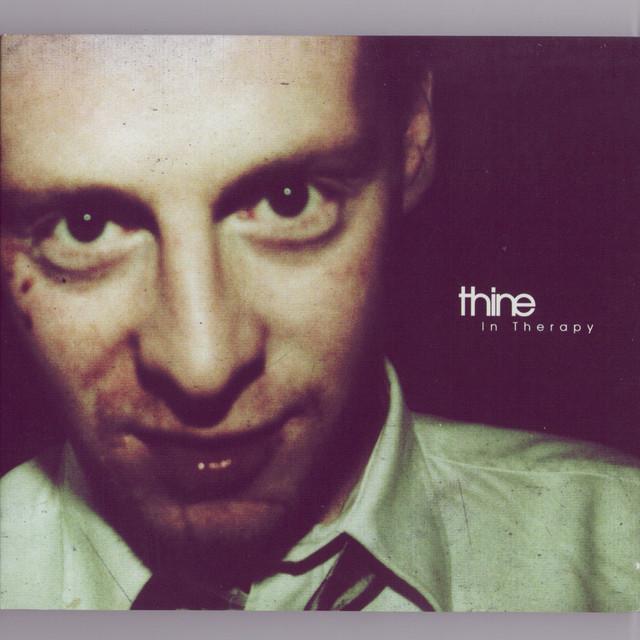
Going to the studio in the spring of 1998, the band recorded their first widely released disc, A Town Like This. More live shows followed, while internal problems plagued the lineup for the next year. By 2000, the band stabilized and went back to the studio and recorded a few new songs. Peaceville was high on these tracks and used one to lead off one of their samplers, leading to an opening spot on the Peacefest tour in 2001. In the fall of that year, they finally returned to the studio for a full-length album, and put together In Therapy in the following months. A dense, electric album filled with powerful songs that bucked the symphonic tags that had often been attached to their music, it would be a bittersweet release because lineup changes again plagued the group on the eve of its release in the fall of 2002. ~ Bradley Torreano, Rovi
Viberate is a music analytics platform built for A&Rs, artist managers, labels, booking agents, marketers, and artists.
It helps music professionals track artist growth, analyze audience data, monitor playlist activity, compare artists, follow song performance, and identify opportunities across the music market.
Public artist pages provide a free preview of selected artist data. Paid plans provide access to deeper analytics, historical data, charts, comparisons, playlist tools, exports, alerts, reports, and additional professional features.
Yes. Public Viberate artist pages provide selected artist analytics and music data for free.
Viberate also offers a 7-day free trial of the full platform. A credit card is required to start the trial. The trial includes access to the complete product so users can test deeper artist analytics, historical views, playlist insights, comparisons, charts, exports, alerts, and reporting features before choosing a paid plan.
Viberate provides artist analytics across streaming, playlists, social media, video, radio airplay, songs, and audience markets.
Users can analyze Spotify performance, Spotify and Apple Music playlists, YouTube activity, TikTok and Instagram growth, radio spins, song performance, audience locations, demographics, rankings, and overall artist momentum.
Artist profiles also connect to music charts, similar artists, and comparison tools, helping users benchmark performance and evaluate artists in context.
Viberate updates key artist and track data daily.
For followed artists and tracks, selected data is refreshed multiple times per day. This helps teams monitor playlist changes, streaming movement, audience growth, releases, and campaign performance with more current data.
Update frequency can vary depending on the metric and data source.
Yes. Viberate lets users compare up to five artists side by side across streaming, social media, audience, and engagement metrics.
Users can compare fanbase growth, audience demographics, locations, Spotify performance, social metrics, and other artist data over selected time periods.
Artist comparison can be used for A&R scouting, benchmarking, booking decisions, campaign planning, and evaluating artists with similar audiences or market positions.