Thin Lips

Punk
Punk Rock
Indie Rock
 Viberate Rank: 261445
 Viberate Rank: 261445
 Monthly ListenersFollowers
 Subscribers
 Followers
 Followers
 FansTop Spotify Songs
| Track | 7-Day Streams | |
|---|---|---|
1 | 3.28K | |
2 | 563 | |
3 | 563 | |
4 | 490 | |
5 | 363 |
Top YouTube VideosMonthly ListenersFeatured in Playlists| Playlist | Followers | |
|---|---|---|
1 |  The Sound of Bubblegrunge The Sounds of Spotify | 10.52K |
2 |  KEXP's Song of the Day 2018 KEXP | 9.15K |
3 |  angry girl music of the indie rock persuasion C | 6.49K |
4 |  Female Punk/Rock Naomi | 6.39K |
5 |  Queercore (Lgbtq+ Punk music) Ps1 metalhead | 3.77K |
Audience| City | Monthly Listeners | |
|---|---|---|
1 | | 85 |
2 | | 69 |
3 | | 43 |
4 | | 43 |
5 | | 40 |
See full performance history, audience data, playlist activity, rankings, comparisons, and more in Viberate music analytics. Start with a free trial, then continue with a paid plan.
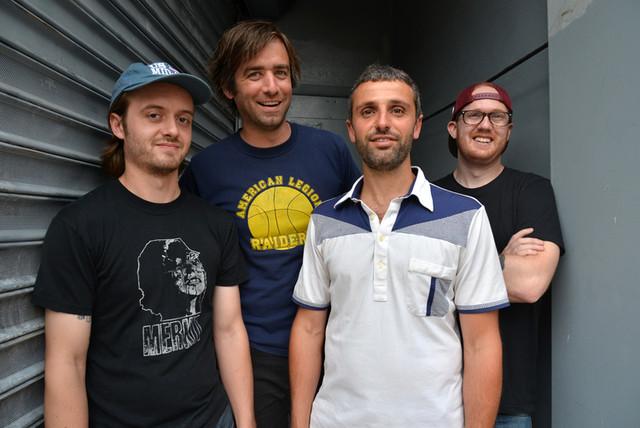
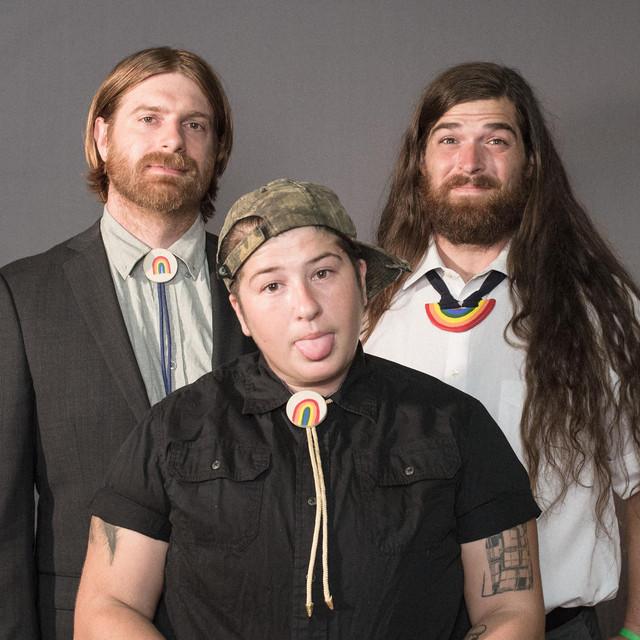
Thin Lips’ Spotify BioPlaying taut, angular, but full-bodied punk rock, Thin Lips are a trio from Philadelphia, Pennsylvania led by guitarist and singer Chrissy Tashjian. Tashjian was previously a member of the well-regarded punk band Dangerous Ponies; that band broke up in mid-2013, but less than six months later, she had teamed up with fellow Dangerous Ponies alumnus Kyle Pulley, who moved from guitar to bass for the new project. With the addition of drummer Pat Brier, formerly of Tiger's Jaw, they began playing out as Thin Lips, and in November 2013, they released their first single, "Gemini Moon" b/w "Non-Monogamy Nightmares." In the summer of 2014, Pat Brier had left the group, and Chrissy's brother Michael Paul Tashjian, who had played with Dangerous Ponies and is also a member of the Weaks, became Thin Lips' new drummer. After plenty of live work, Thin Lips returned to the recording studio and released a four-song EP, Divorce Year, in May 2015. Shortly after the EP was released, Thin Lips expanded to… a quartet with the addition of second guitarist Chris Diehm. After more touring and enthusiastic notices from the independent music press, Thin Lips began work on their first album, Riff Hard, which was slated for release by Lame-O Records in 2016. ~ Mark Deming, Rovi
Viberate is a music analytics platform built for A&Rs, artist managers, labels, booking agents, marketers, and artists.
It helps music professionals track artist growth, analyze audience data, monitor playlist activity, compare artists, follow song performance, and identify opportunities across the music market.
Public artist pages provide a free preview of selected artist data. Paid plans provide access to deeper analytics, historical data, charts, comparisons, playlist tools, exports, alerts, reports, and additional professional features.
Yes. Public Viberate artist pages provide selected artist analytics and music data for free.
Viberate also offers a 7-day free trial of the full platform. A credit card is required to start the trial. The trial includes access to the complete product so users can test deeper artist analytics, historical views, playlist insights, comparisons, charts, exports, alerts, and reporting features before choosing a paid plan.
Viberate provides artist analytics across streaming, playlists, social media, video, radio airplay, songs, and audience markets.
Users can analyze Spotify performance, Spotify and Apple Music playlists, YouTube activity, TikTok and Instagram growth, radio spins, song performance, audience locations, demographics, rankings, and overall artist momentum.
Artist profiles also connect to music charts, similar artists, and comparison tools, helping users benchmark performance and evaluate artists in context.
Viberate updates key artist and track data daily.
For followed artists and tracks, selected data is refreshed multiple times per day. This helps teams monitor playlist changes, streaming movement, audience growth, releases, and campaign performance with more current data.
Update frequency can vary depending on the metric and data source.
Yes. Viberate lets users compare up to five artists side by side across streaming, social media, audience, and engagement metrics.
Users can compare fanbase growth, audience demographics, locations, Spotify performance, social metrics, and other artist data over selected time periods.
Artist comparison can be used for A&R scouting, benchmarking, booking decisions, campaign planning, and evaluating artists with similar audiences or market positions.