Thieves on the Overpass

Rock
Alternative Rock
 Viberate Rank: 426282
 Viberate Rank: 426282
 Monthly ListenersFollowers
 Subscribers
 Followers
 Followers
 FansTop Spotify Songs
| Track | 7-Day Streams | |
|---|---|---|
1 | 244 | |
2 | 58 | |
3 | 42 | |
4 | 38 | |
5 | 28 |
Top YouTube VideosMonthly ListenersFeatured in Playlists| Playlist | Followers | |
|---|---|---|
1 |  DSBM Jeokras | 37.02K |
2 |  türkçe popun gaza getiren cinsinden🫠 hatisseee | 28.02K |
3 |  EZHEL TÜM ŞARKILARI Cagan Goksay | 12.59K |
4 |  Türkçe Slow 2000-2026 Aydın Efe Taşbilek | 9.03K |
5 |  canın çok yanarken açıp hüngür hüngür ağlamalık Buse Akyıldız | 7.24K |
Audience| City | Monthly Listeners | |
|---|---|---|
1 | | 267 |
2 | | 159 |
3 | | 74 |
4 | | 49 |
5 | | 31 |
See full performance history, audience data, playlist activity, rankings, comparisons, and more in Viberate music analytics. Start with a free trial, then continue with a paid plan.
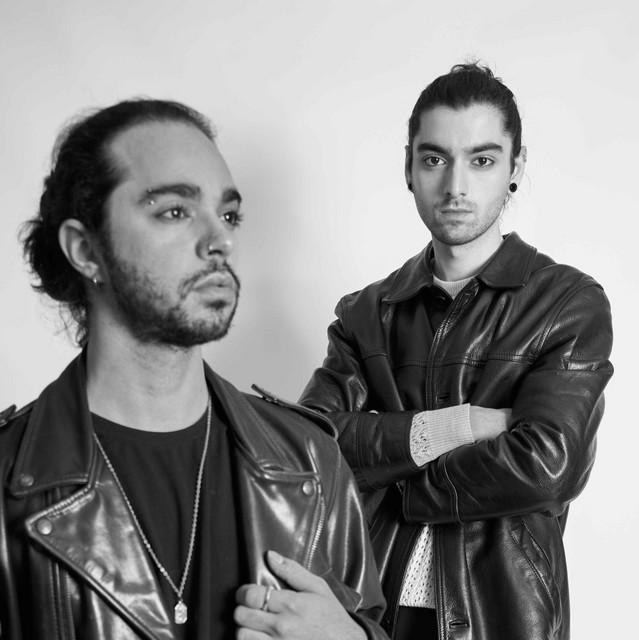
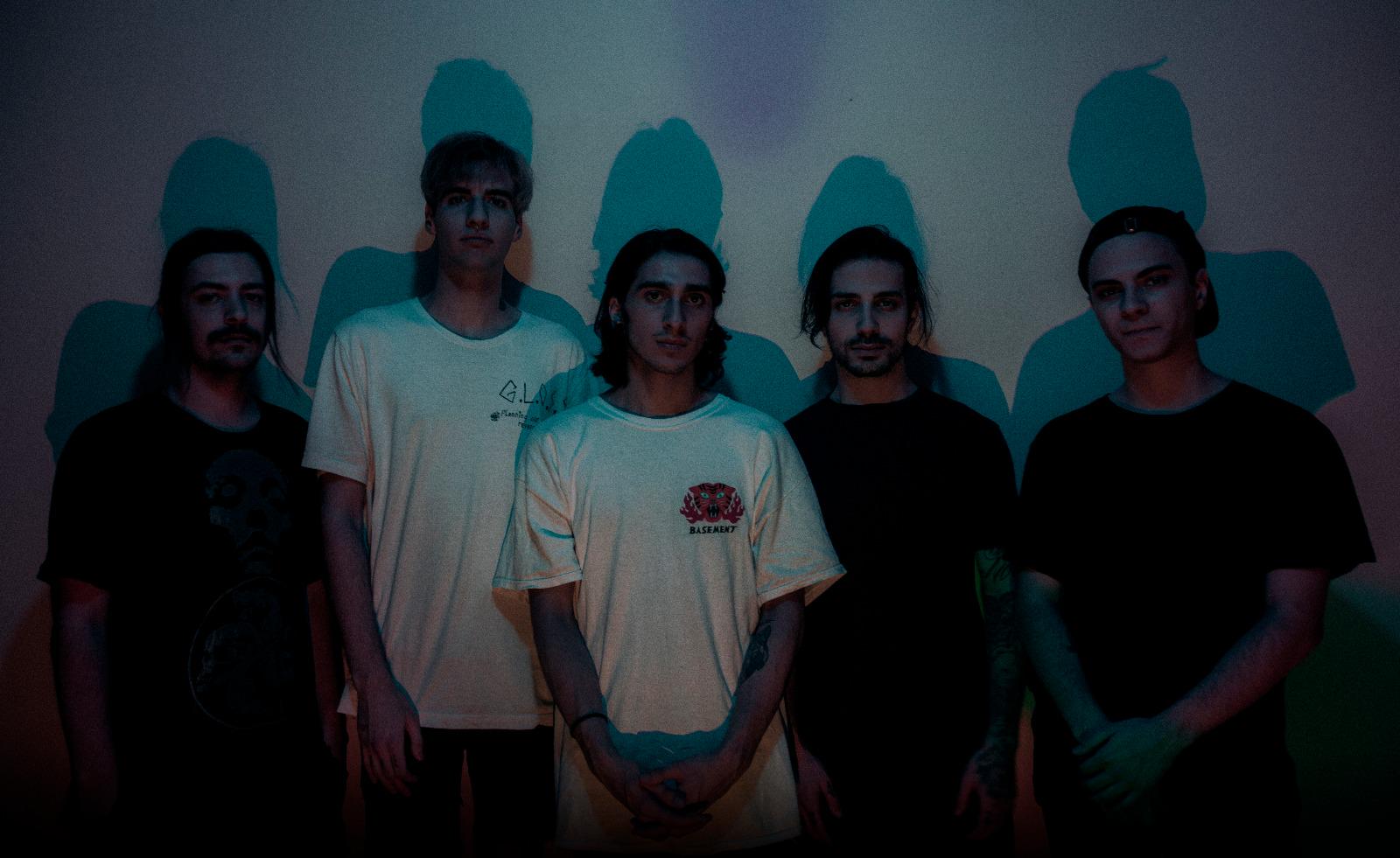
Thieves on the Overpass’ Spotify BioTOTOP laid its foundations in '19 in Ankara, when Atıl Doğan (Drums) got angry and asked Mehmet Ali Akınoğlu (Vocal, Guitar) for a guitarist to form his band, and Mali said, "Why don't I play, dude?". The duo, who are best friends from the high school and the neighborhood, have been hanging out together since they were 15. Bros came together for projects before, but all have been postponed; until '21. COVID-19 came to their aid. Having free time because of the pandemic, Mali built a recording studio almost alone in his neighborhood. Exactly 4 months after the end of its construction, they started to record songs on March 18, ‘21.
The name of the band comes from the fact that the duo was being watched from the overpass for hours by thieves during the recordings. Playing only guitar at first, Mali became the vocalist of the group and played bass for the recordings out of necessity. He also did the mixing and mastering.
Recordings ended 1.5 years later and the first single Yalanların… Ütopyası was released on May 26, '23. Before the second single Bubi Tuzağı was released Atıl's other buddy Kağan Torpil (Bass) joined TOTOP.
The first album Pitch-and-Toss was finally released on March 1, '24 after a 3 year process.
Viberate is a music analytics platform built for A&Rs, artist managers, labels, booking agents, marketers, and artists.
It helps music professionals track artist growth, analyze audience data, monitor playlist activity, compare artists, follow song performance, and identify opportunities across the music market.
Public artist pages provide a free preview of selected artist data. Paid plans provide access to deeper analytics, historical data, charts, comparisons, playlist tools, exports, alerts, reports, and additional professional features.
Yes. Public Viberate artist pages provide selected artist analytics and music data for free.
Viberate also offers a 7-day free trial of the full platform. A credit card is required to start the trial. The trial includes access to the complete product so users can test deeper artist analytics, historical views, playlist insights, comparisons, charts, exports, alerts, and reporting features before choosing a paid plan.
Viberate provides artist analytics across streaming, playlists, social media, video, radio airplay, songs, and audience markets.
Users can analyze Spotify performance, Spotify and Apple Music playlists, YouTube activity, TikTok and Instagram growth, radio spins, song performance, audience locations, demographics, rankings, and overall artist momentum.
Artist profiles also connect to music charts, similar artists, and comparison tools, helping users benchmark performance and evaluate artists in context.
Viberate updates key artist and track data daily.
For followed artists and tracks, selected data is refreshed multiple times per day. This helps teams monitor playlist changes, streaming movement, audience growth, releases, and campaign performance with more current data.
Update frequency can vary depending on the metric and data source.
Yes. Viberate lets users compare up to five artists side by side across streaming, social media, audience, and engagement metrics.
Users can compare fanbase growth, audience demographics, locations, Spotify performance, social metrics, and other artist data over selected time periods.
Artist comparison can be used for A&R scouting, benchmarking, booking decisions, campaign planning, and evaluating artists with similar audiences or market positions.