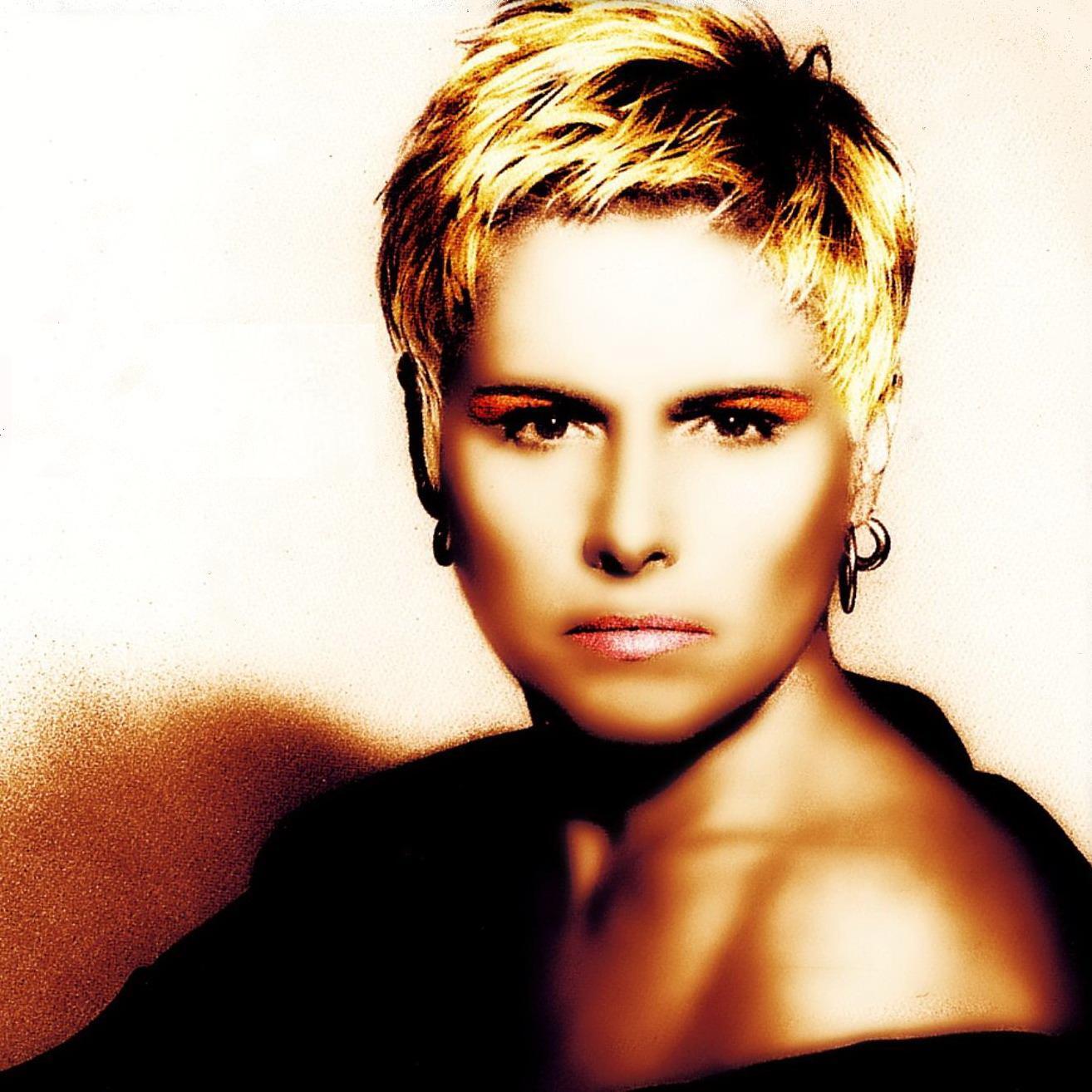
Thierry Pastor

Pop
Mainstream Pop
 Viberate Rank: 78989
 Viberate Rank: 78989
 Monthly ListenersFollowers
 Subscribers
 Followers
 Followers
 FansTop Spotify Songs
| Track | 7-Day Streams | |
|---|---|---|
1 | 91.88K | |
2 | 13.65K | |
3 | 219 | |
4 | 196 | |
5 | 146 |
Top YouTube VideosMonthly ListenersFeatured in Playlists| Playlist | Followers | |
|---|---|---|
1 |  Années 80 Spotify | 1.18M |
2 |  FRANCE HITS ANNEES 80 🎧🎶📻 All My 80´s | 135.88K |
3 | Hits français 80-90-00 Gilles Mortiaux | 100.71K |
4 | Année 80 - Les TOP HITS Nico 🤩 | 73.14K |
5 |  The Sound of Everything The Sounds of Spotify | 53.82K |
Audience| City | Monthly Listeners | |
|---|---|---|
1 | | 13.52K |
2 | | 5.41K |
3 | | 5.24K |
4 | | 2.69K |
5 | | 2.64K |
See full performance history, audience data, playlist activity, rankings, comparisons, and more in Viberate music analytics. Start with a free trial, then continue with a paid plan.
Thierry Pastor’s Spotify BioThierry Pastor (né le 4 mars 1960 à Oran, en Algérie française) est un chanteur et compositeur français, pied-noir. Il est connu pour ses titres "Le coup de folie" produit par Roland Magdane et "Sur des musiques noires".
Il entre au conservatoire de musique de Lyon et étudie le piano classique pendant une dizaine d'années. En 1978 il devient pianiste et arrangeur pour le chanteur Nicolas Peyrac. Au début des années 1980, il compose des mélodies inspirées par la musique soul et sort en 1982 « Le Coup de folie », qui devient l'un des tubes les plus populaires de la décennie. Un grave accident de voiture l'éloigne de la scène en 1983 dont il va mettre plus de deux ans à se remettre, lui permettant alors de sortir "Sur des musiques noires", autre tube qui s'est classé en 12e position du Top 50 en France.
De 2009 à 2012, il participe à la tournée RFM Party 80. En 2014, il reprend la tournée qui s'appelle désormais Stars 80.
Viberate is a music analytics platform built for A&Rs, artist managers, labels, booking agents, marketers, and artists.
It helps music professionals track artist growth, analyze audience data, monitor playlist activity, compare artists, follow song performance, and identify opportunities across the music market.
Public artist pages provide a free preview of selected artist data. Paid plans provide access to deeper analytics, historical data, charts, comparisons, playlist tools, exports, alerts, reports, and additional professional features.
Yes. Public Viberate artist pages provide selected artist analytics and music data for free.
Viberate also offers a 7-day free trial of the full platform. A credit card is required to start the trial. The trial includes access to the complete product so users can test deeper artist analytics, historical views, playlist insights, comparisons, charts, exports, alerts, and reporting features before choosing a paid plan.
Viberate provides artist analytics across streaming, playlists, social media, video, radio airplay, songs, and audience markets.
Users can analyze Spotify performance, Spotify and Apple Music playlists, YouTube activity, TikTok and Instagram growth, radio spins, song performance, audience locations, demographics, rankings, and overall artist momentum.
Artist profiles also connect to music charts, similar artists, and comparison tools, helping users benchmark performance and evaluate artists in context.
Viberate updates key artist and track data daily.
For followed artists and tracks, selected data is refreshed multiple times per day. This helps teams monitor playlist changes, streaming movement, audience growth, releases, and campaign performance with more current data.
Update frequency can vary depending on the metric and data source.
Yes. Viberate lets users compare up to five artists side by side across streaming, social media, audience, and engagement metrics.
Users can compare fanbase growth, audience demographics, locations, Spotify performance, social metrics, and other artist data over selected time periods.
Artist comparison can be used for A&R scouting, benchmarking, booking decisions, campaign planning, and evaluating artists with similar audiences or market positions.