Thief Club

Rock
Pop Rock
Pop Punk
 Viberate Rank: 331983
 Viberate Rank: 331983
 Monthly ListenersFollowers
 Subscribers
 Followers
 Followers
 FansTop Spotify Songs
| Track | 7-Day Streams | |
|---|---|---|
1 | 760 | |
2 | 544 | |
3 | 525 | |
4 | 503 | |
5 | 192 |
Top YouTube VideosMonthly ListenersFeatured in Playlists| Playlist | Followers | |
|---|---|---|
1 | blink-182, Sum 41 and More... Sum dude | 21.20K |
2 |  season 5 byler ab | 10.72K |
3 | POPPUNK Kevin McLaughlin | 8.53K |
4 |  Sadboi Daily Mix The Elder Emo Cvlt | 7.32K |
5 |  The Sound of Pop Punk The Sounds of Spotify | 7.08K |
Audience| City | Monthly Listeners | |
|---|---|---|
1 | | 54 |
2 |  | 45 |
3 | | 40 |
4 |  | 34 |
5 | | 33 |
See full performance history, audience data, playlist activity, rankings, comparisons, and more in Viberate music analytics. Start with a free trial, then continue with a paid plan.
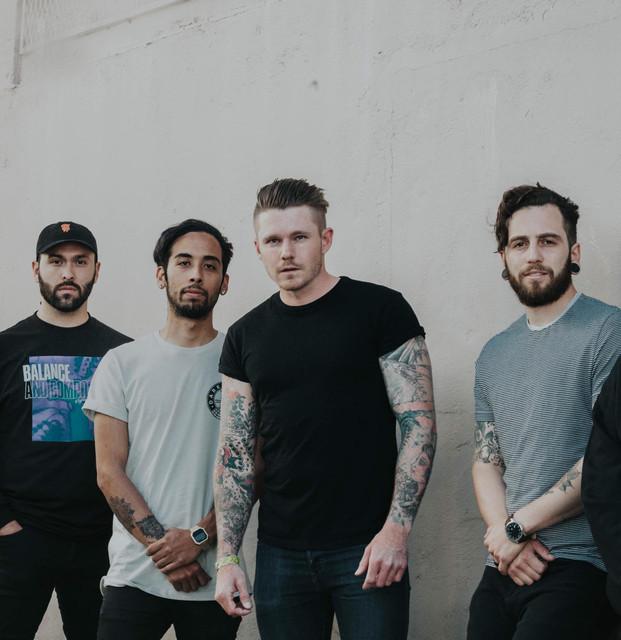
Thief Club’s Spotify BioBeginning as nothing more than a cathartic release for singer/songwriter Nick Thompson, Thief Club was a simple side project to manage time and energy when not recording and touring with his band Hit The Lights. Releasing his debut in 2016, “Just Give Up” boasted a hefty 16 tracks of heavy pop rock akin to his previous works with HTL, followed by the EPs “New View” and “(SP)LIT” in 2020. As time progressed, so did Thompson’s musical style, diving deeper into lower tunings and heavier tones. Now, 2 years later, Nick has unveiled a new style and direction; using Thief Club to explore a deeper, darker, more atmospheric escape with his upcoming release “Don’t Get Too Attached.” Armed with soaring melodies, spacey leads and growling, down-tuned guitar, Thief Club has found its footing in a brand new realm of sound. One that shimmers, grooves, and rides a fine line between the ethereal and heavy. Doom Pop, Nü Gaze, Experimental Alternative - you can try to label it, but the fact will… remain: Thief Club isn’t a genre, it’s a vibe all it’s own.
Viberate is a music analytics platform built for A&Rs, artist managers, labels, booking agents, marketers, and artists.
It helps music professionals track artist growth, analyze audience data, monitor playlist activity, compare artists, follow song performance, and identify opportunities across the music market.
Public artist pages provide a free preview of selected artist data. Paid plans provide access to deeper analytics, historical data, charts, comparisons, playlist tools, exports, alerts, reports, and additional professional features.
Yes. Public Viberate artist pages provide selected artist analytics and music data for free.
Viberate also offers a 7-day free trial of the full platform. A credit card is required to start the trial. The trial includes access to the complete product so users can test deeper artist analytics, historical views, playlist insights, comparisons, charts, exports, alerts, and reporting features before choosing a paid plan.
Viberate provides artist analytics across streaming, playlists, social media, video, radio airplay, songs, and audience markets.
Users can analyze Spotify performance, Spotify and Apple Music playlists, YouTube activity, TikTok and Instagram growth, radio spins, song performance, audience locations, demographics, rankings, and overall artist momentum.
Artist profiles also connect to music charts, similar artists, and comparison tools, helping users benchmark performance and evaluate artists in context.
Viberate updates key artist and track data daily.
For followed artists and tracks, selected data is refreshed multiple times per day. This helps teams monitor playlist changes, streaming movement, audience growth, releases, and campaign performance with more current data.
Update frequency can vary depending on the metric and data source.
Yes. Viberate lets users compare up to five artists side by side across streaming, social media, audience, and engagement metrics.
Users can compare fanbase growth, audience demographics, locations, Spotify performance, social metrics, and other artist data over selected time periods.
Artist comparison can be used for A&R scouting, benchmarking, booking decisions, campaign planning, and evaluating artists with similar audiences or market positions.