There For Tomorrow

Punk
Punk Rock
Alternative Rock
Pop Punk
 Viberate Rank: 64662
 Viberate Rank: 64662
 Monthly ListenersFollowers
 Subscribers
 Followers
 Followers
 FansTop Spotify Songs
| Track | 7-Day Streams | |
|---|---|---|
1 | 71.88K | |
2 | 23.65K | |
3 | 4.75K | |
4 | 4.37K | |
5 | 3.43K |
Top YouTube Videos| Video | 7-Day Views | |
|---|---|---|
1 | 7.49K | |
2 | 4.25K | |
3 | 819 | |
4 | 611 | |
5 | 579 |
Monthly ListenersFeatured in Playlists| Playlist | Followers | |
|---|---|---|
1 |  Chaos Anthems Spotify | 541.43K |
2 |  Gym Motivation 💪🏼 Old School 80s - 2026 🏛️ Beast Mode Music | 181.93K |
3 | Punk Goes Pop Greatest Hits rylandee | 134.17K |
4 | Punkers go poppers Velxies | 101.71K |
5 | igor | 97.08K |
Audience| City | Monthly Listeners | |
|---|---|---|
1 |  | 2.42K |
2 | | 2.26K |
3 |  | 1.92K |
4 | | 1.91K |
5 | | 1.75K |
See full performance history, audience data, playlist activity, rankings, comparisons, and more in Viberate music analytics. Start with a free trial, then continue with a paid plan.
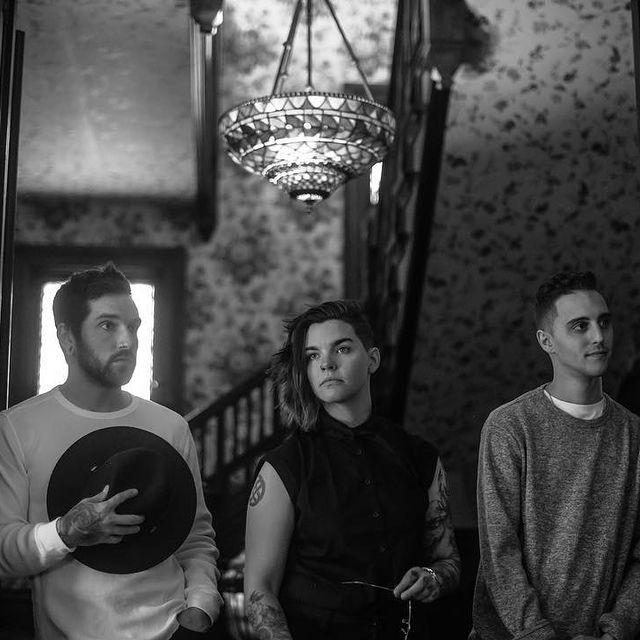
There For Tomorrow’s Spotify BioOrlando, FL, pop-punk quartet There for Tomorrow formed in 2003, when the bandmembers were still in their early- to mid-teen years. Directly inspired by Jimmy Eat World, blink-182, Third Eye Blind, and the Hives, childhood friends Maika Maile (lead vocals, rhythm guitar, and programming), Christian Climer (lead guitar and vocals), Jay Enriquez (bass and vocals), and Chris Kamrada (drums and samples) soon began playing local radio station showcase concerts, which led to stints on the southeastern leg of the Vans Warped Tour in 2006 and 2007. A 2007 self-released EP, Pages, attracted the attention of the indie Hopeless Records, which led to the band remixing and re-recording the songs with producer James Paul Wisner (Underoath, Paramore) for the band's self-titled 2008 EP, featuring the first single "No More Room to Breathe." The song "Pages" also appeared on the 2008 edition of the Vans Warped Tour compilation double CD on Side One Dummy Records. ~ Stewart Mason, Rovi
Viberate is a music analytics platform built for A&Rs, artist managers, labels, booking agents, marketers, and artists.
It helps music professionals track artist growth, analyze audience data, monitor playlist activity, compare artists, follow song performance, and identify opportunities across the music market.
Public artist pages provide a free preview of selected artist data. Paid plans provide access to deeper analytics, historical data, charts, comparisons, playlist tools, exports, alerts, reports, and additional professional features.
Yes. Public Viberate artist pages provide selected artist analytics and music data for free.
Viberate also offers a 7-day free trial of the full platform. A credit card is required to start the trial. The trial includes access to the complete product so users can test deeper artist analytics, historical views, playlist insights, comparisons, charts, exports, alerts, and reporting features before choosing a paid plan.
Viberate provides artist analytics across streaming, playlists, social media, video, radio airplay, songs, and audience markets.
Users can analyze Spotify performance, Spotify and Apple Music playlists, YouTube activity, TikTok and Instagram growth, radio spins, song performance, audience locations, demographics, rankings, and overall artist momentum.
Artist profiles also connect to music charts, similar artists, and comparison tools, helping users benchmark performance and evaluate artists in context.
Viberate updates key artist and track data daily.
For followed artists and tracks, selected data is refreshed multiple times per day. This helps teams monitor playlist changes, streaming movement, audience growth, releases, and campaign performance with more current data.
Update frequency can vary depending on the metric and data source.
Yes. Viberate lets users compare up to five artists side by side across streaming, social media, audience, and engagement metrics.
Users can compare fanbase growth, audience demographics, locations, Spotify performance, social metrics, and other artist data over selected time periods.
Artist comparison can be used for A&R scouting, benchmarking, booking decisions, campaign planning, and evaluating artists with similar audiences or market positions.