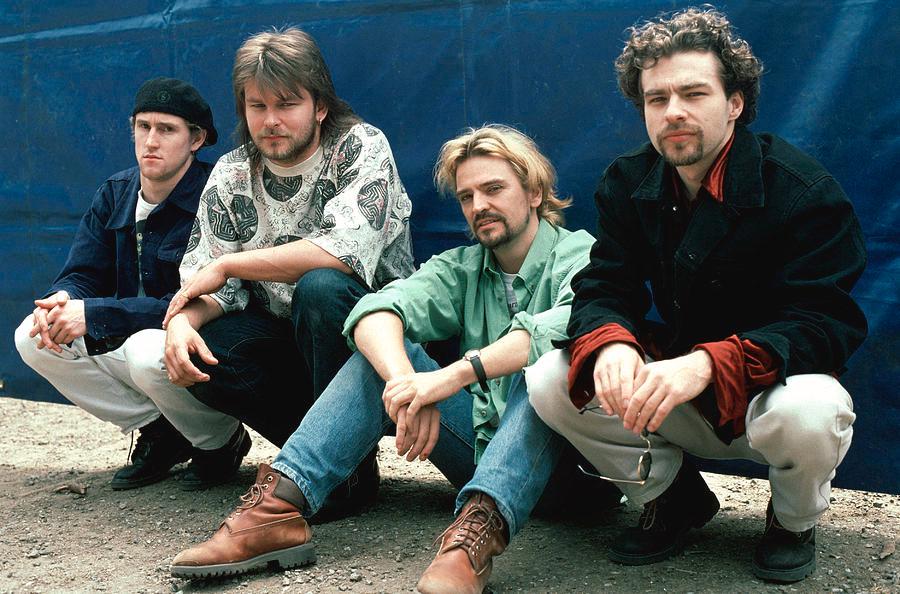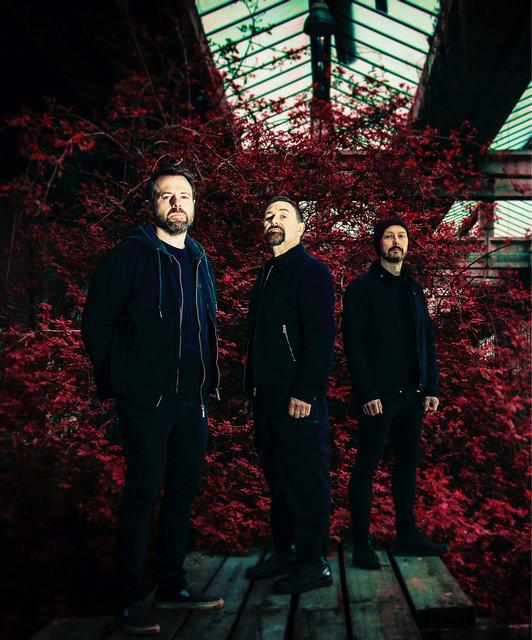
Therapy?

Rock
Alternative Rock
Alternative Metal
Punk Rock
 Viberate Rank: 53664
 Viberate Rank: 53664
 Monthly ListenersFollowers
 Subscribers
 Followers
 Followers
 FansTop Spotify Songs
| Track | 7-Day Streams | |
|---|---|---|
1 | 27.51K | |
2 | 24.25K | |
3 | 12.11K | |
4 | 10.62K | |
5 | 4.96K |
Top YouTube Videos| Video | 7-Day Views | |
|---|---|---|
1 | 4.56K | |
2 | 2.57K | |
3 | 1.68K | |
4 | 687 | |
5 | 613 |
Monthly ListenersFeatured in Playlists| Playlist | Followers | |
|---|---|---|
1 |  90s Rock Anthems Spotify | 6.78M |
2 |  90s Rock Drive Spotify | 532.85K |
3 |  Energy Booster Rock Spotify | 417.03K |
4 |  NPO Radio 2 Top 2000 (2025) NPO Radio 2 | 224.88K |
5 |  Cranked Up Spotify | 187.71K |
Audience| City | Monthly Listeners | |
|---|---|---|
1 | | 3.71K |
2 |  | 2.24K |
3 |  | 2.13K |
4 | | 1.99K |
5 |  | 1.88K |
See full performance history, audience data, playlist activity, rankings, comparisons, and more in Viberate music analytics. Start with a free trial, then continue with a paid plan.
Therapy?’s Spotify BioA versatile Northern Irish rock band, Therapy? benefited from the rise of Nirvana and grunge in the early '90s, but they proved their worth by outlasting that trend and any number of sub-strains that followed throughout the subsequent decades. By constantly expanding upon a frame of influential references that include the usual suspects (Black Sabbath, Judas Priest) and the not-so-usual for a metal band (Killing Joke, Hüsker Dü, Buzzcocks), Therapy? released career-defining albums like Troublegum (1994), Infernal Love (1995), and Semi-Detached (1998), and constantly challenged themselves and their fans. Despite their decibel-heavy reputation, the band possess a melodic sensibility that also separates them from their alternative metal peers, a predilection they carried forward into the new millennium with offerings like Disquiet (2015), Cleave (2018), and Hard Cold Fire (2023). As the bridge between Metallica and Nirvana, they never play it straight or safe.
After recording a brief… initial demo, singer/guitarist Andy Cairns and drummer Fyfe Ewing recruited bassist Michael McKeegan. The trio recorded the Meat Abstract single, pressing a limited number on vinyl and releasing it on their own Multifuckingnational label. BBC DJ John Peel played it on his program shortly after receiving it, and Wiija boss Gary Walker became interested after hearing the single through Silverfish's Lesley Rankine. The separately recorded Baby Teeth and Pleasure Death EPs were released on Wiija in 1991, both of which did extremely well on the British indie chart. Quarterstick, a U.S. independent label distributed by Touch & Go, released a compilation of the EPs as Caucasian Psychosis.
Major labels came knocking on the strength of those nasty releases, with A&M eventually winning out. The label expected something closer to a grunge record, but Therapy? wound up with something that didn't sound too far removed from their earlier records. Nurse ended up tweaking the band's sound, providing more focus on the rhythm and developing Cairns' burgeoning melodic vocal hooks. The Hats Off to the Insane EP provided a stop-gap until the release of 1994's Troublegum, which brought about more melody and straightforward riffing to good effect. The band enjoyed the most commercial exposure at this point, thanks to the teen angsty "Screamager," an anthemic ode to ugliness and awkwardness if ever there was one. Many a disillusioned teenager likely bookended it with "Smells Like Teen Spirit" on mixtapes.
Infernal Love was released in 1995, hot on the heels of Troublegum and extended touring. A bleak, cinematic effort that made the remainder of Therapy?'s records seem chirpy in comparison, it ruined the notion of the band ever making it to mainstream popularity. Ewing left the band shortly after its release. Graham Hopkins replaced him, and ace session cellist Martin McCarrick was added to the lineup as a second guitarist, also adding strings when necessary. 1998's Semi-Detached brought the band out of the emotional murk of Infernal Love, returning to some of the tunefulness that was left at the curb after Troublegum. The U.S. wing of A&M unfortunately balked on issuing the underrated record. The band was eventually cut off from the label completely after the massive Seagram's merger left them homeless as a casualty of label gutting.
Miles Copeland's Ark 21 label swept them up, issuing Suicide Pact: You First in 2000. Though it wasn't their finest record, the band experienced a bit of a rebirth during its recording, regaining the enthusiasm that they felt early on. Later in the year, Ark 21 issued So Much for the Ten Year Plan, a compilation of some of the band's finest moments. The title took aim at the more ambitious alternative acts who embarked on elaborate career paths in the early '90s, only to fall by the wayside. The Jack Endino-produced Shameless followed in 2001; Hopkins wasn't happy with the band's direction, however, and left the lineup soon after its release. Neil Cooper (founder of the progressive metal group the Beyond) joined as Hopkins' replacement, but the new lineup only lasted through the release of 2003's High Anxiety, as McCarrick opted to leave the band in order to nurse his damaged eardrum.
Beginning in early March, Therapy? soldiered ahead as a three-piece band. Never Apologise Never Explain was the first album to feature the newly slimmed-down lineup, followed by One Cure Fits All in 2006. Touring continued into the subsequent years, with the band eventually returning to the studio to create their tenth full-length album, 2009's Crooked Timber. 2012 saw the release of the well-received, Nabokov-inspired A Brief Crack of Light, and was followed in 2015 by Disquiet, which became the highest-charting release for the group since 2000's Suicide Pact: You First. Cleave, the band's 15th studio long-player, was issued in 2018 on Marshall Records (part of the legendary Marshall Amplification Company) and appeared on multiple U.K. charts. 2023's acclaimed Hard Cold Fire was helmed by longtime producer Chris Sheldon and saw the band deliver a potent set of songs that deftly balanced seismic intensity and melodic hooks. ~ Andy Kellman, Rovi
Viberate is a music analytics platform built for A&Rs, artist managers, labels, booking agents, marketers, and artists.
It helps music professionals track artist growth, analyze audience data, monitor playlist activity, compare artists, follow song performance, and identify opportunities across the music market.
Public artist pages provide a free preview of selected artist data. Paid plans provide access to deeper analytics, historical data, charts, comparisons, playlist tools, exports, alerts, reports, and additional professional features.
Yes. Public Viberate artist pages provide selected artist analytics and music data for free.
Viberate also offers a 7-day free trial of the full platform. A credit card is required to start the trial. The trial includes access to the complete product so users can test deeper artist analytics, historical views, playlist insights, comparisons, charts, exports, alerts, and reporting features before choosing a paid plan.
Viberate provides artist analytics across streaming, playlists, social media, video, radio airplay, songs, and audience markets.
Users can analyze Spotify performance, Spotify and Apple Music playlists, YouTube activity, TikTok and Instagram growth, radio spins, song performance, audience locations, demographics, rankings, and overall artist momentum.
Artist profiles also connect to music charts, similar artists, and comparison tools, helping users benchmark performance and evaluate artists in context.
Viberate updates key artist and track data daily.
For followed artists and tracks, selected data is refreshed multiple times per day. This helps teams monitor playlist changes, streaming movement, audience growth, releases, and campaign performance with more current data.
Update frequency can vary depending on the metric and data source.
Yes. Viberate lets users compare up to five artists side by side across streaming, social media, audience, and engagement metrics.
Users can compare fanbase growth, audience demographics, locations, Spotify performance, social metrics, and other artist data over selected time periods.
Artist comparison can be used for A&R scouting, benchmarking, booking decisions, campaign planning, and evaluating artists with similar audiences or market positions.