Théo Didier

European
French Folk
Other European Music
 Viberate Rank: 262962
 Viberate Rank: 262962
 Monthly ListenersFollowers
 Subscribers
 Followers
 Followers
 FansTop Spotify Songs
| Track | 7-Day Streams | |
|---|---|---|
1 | 121 | |
2 | 43 | |
3 | 20 | |
4 | 16 | |
5 | 16 |
Top YouTube VideosMonthly ListenersFeatured in Playlists| Playlist | Followers | |
|---|---|---|
1 |  iMUSICIAN PICKS iMusician | 178 |
2 |  Voyage voyage ⛱️ Jealon | 23 |
3 |  Crussol Festival 2022 Crussol Festival | 17 |
4 |  The Edge of French Folk Pop Particle Detector | 9 |
5 |  wMw maximetrus | 3 |
Audience| City | Monthly Listeners | |
|---|---|---|
1 | | 64 |
2 | | 32 |
3 | | 19 |
4 | | 18 |
5 | | 18 |
See full performance history, audience data, playlist activity, rankings, comparisons, and more in Viberate music analytics. Start with a free trial, then continue with a paid plan.
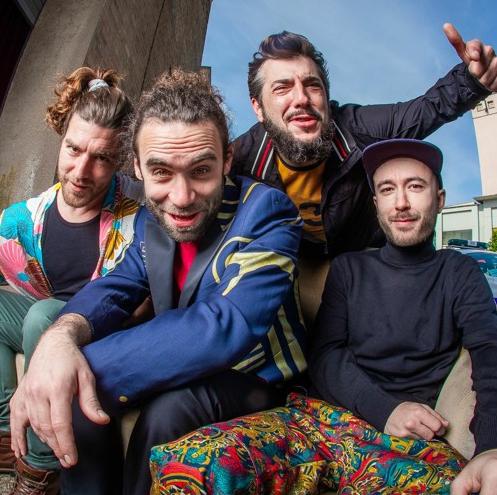
Théo Didier’s Spotify BioThéo Didier est un auteur-compositeur drômois.
Dans le registre qu'il affectionne le plus, la chanson française festive et
engagée, Théo sort un 1er album solo en mars 2017 éponyme, très acoustique, où il joue lui-même chaque instrument.
Le 1er juin 2019, Théo sort son 2ème album « Conscience Libre ».
Il y explore en studio toutes ses influences, ce qui aboutit à un album très
riche et varié.
Au fil des concerts (+ de 100), il croise les routes de Sanseverino, les Ogres
de Barback, Yannick Noah, Pep's, Barrio Populo, Louane, Archimède, Massilia Sound System, Tiken Jah Fakoly, Les Yeux d'la Tête, La P'tite Fumée, Gauvain Sers, Claudio Capéo,...
Mélangeant chanson française et reggae (contre-temps), Théo n'hésite pas à
piocher ses influences dans les musiques africaines, latines ou encore le funk.
Les concerts de Théo sont comme un grand bal populaire où tous les styles
musicaux sont croisés pour faire danser tout le monde.
« Insufflant un vent de fraîcheur et de liberté qui rapproche spontanément… les gens, Théo
nous livre des textes et des mélodies qui apaisent les cœurs et les esprits »
FrancoFans Août-Sept. 2017
Viberate is a music analytics platform built for A&Rs, artist managers, labels, booking agents, marketers, and artists.
It helps music professionals track artist growth, analyze audience data, monitor playlist activity, compare artists, follow song performance, and identify opportunities across the music market.
Public artist pages provide a free preview of selected artist data. Paid plans provide access to deeper analytics, historical data, charts, comparisons, playlist tools, exports, alerts, reports, and additional professional features.
Yes. Public Viberate artist pages provide selected artist analytics and music data for free.
Viberate also offers a 7-day free trial of the full platform. A credit card is required to start the trial. The trial includes access to the complete product so users can test deeper artist analytics, historical views, playlist insights, comparisons, charts, exports, alerts, and reporting features before choosing a paid plan.
Viberate provides artist analytics across streaming, playlists, social media, video, radio airplay, songs, and audience markets.
Users can analyze Spotify performance, Spotify and Apple Music playlists, YouTube activity, TikTok and Instagram growth, radio spins, song performance, audience locations, demographics, rankings, and overall artist momentum.
Artist profiles also connect to music charts, similar artists, and comparison tools, helping users benchmark performance and evaluate artists in context.
Viberate updates key artist and track data daily.
For followed artists and tracks, selected data is refreshed multiple times per day. This helps teams monitor playlist changes, streaming movement, audience growth, releases, and campaign performance with more current data.
Update frequency can vary depending on the metric and data source.
Yes. Viberate lets users compare up to five artists side by side across streaming, social media, audience, and engagement metrics.
Users can compare fanbase growth, audience demographics, locations, Spotify performance, social metrics, and other artist data over selected time periods.
Artist comparison can be used for A&R scouting, benchmarking, booking decisions, campaign planning, and evaluating artists with similar audiences or market positions.