Theatria

Punk
Pop Punk
Post Hardcore
 Viberate Rank: 718785
 Viberate Rank: 718785
 Monthly ListenersFollowers
 Subscribers
 Followers
 Followers
 FansTop Spotify Songs
| Track | 7-Day Streams | |
|---|---|---|
1 | 27 | |
2 | 5 | |
3 | 4 | |
4 | 4 | |
5 | 4 |
Top YouTube Videos| Video | 7-Day Views | |
|---|---|---|
1 | 1 |
Monthly ListenersFeatured in Playlists| Playlist | Followers | |
|---|---|---|
1 |  Ultimate Punk Mix: Pop, Skate, Post-Hardcore, Emo, Alt Rock, Metalcore, Screamo goldcrusader | 276 |
2 |  ALT. Radio: Alternative, Emo, Pop/Punk, Hard Rock, Screamo, Metalcore, Grunge, Indie, Goth & More! Fabian | 208 |
3 |  14 & Scene Moi | 52 |
4 | High School Never Ends Mike | 24 |
5 |  Variables The_Gray_ Jedi | 6 |
Audience| City | Monthly Listeners | |
|---|---|---|
1 | | 4 |
2 |  | 3 |
3 | | 3 |
See full performance history, audience data, playlist activity, rankings, comparisons, and more in Viberate music analytics. Start with a free trial, then continue with a paid plan.
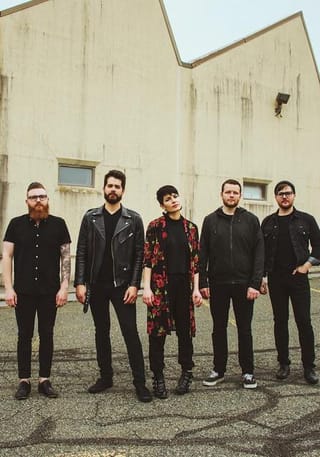
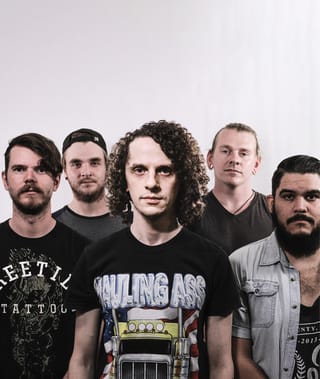
Theatria’s Spotify BioTheatria is an Ontario emo band with a pop-punk paintjob. What started as an answer to the question, "What if we combined the blink-182 thing with the Taking Back Sunday thing with dashes of AFI and The Used?" Theatria quickly found an identity of their own. The self-titled debut album (Theatria, 2011) was the DIY darling of the southern Ontario hardcore scene. A follow-up EP (Never Let Go, 2012), produced by Adam Newcomb, injected an honest brand of pop sensibility to the band's sound. The subsequent sophomore album (Essentialism, 2017) was a masterclass in morose, unabridged confessions recounting everything from dissolving friendships, mental health diagnoses, and even suicide. After a 4-year hiatus, Daddy Issues (2021) sees the band find their footing as adults, proudly embracing what sets them apart from their influences, their peers, and even their own previous releases.
Viberate is a music analytics platform built for A&Rs, artist managers, labels, booking agents, marketers, and artists.
It helps music professionals track artist growth, analyze audience data, monitor playlist activity, compare artists, follow song performance, and identify opportunities across the music market.
Public artist pages provide a free preview of selected artist data. Paid plans provide access to deeper analytics, historical data, charts, comparisons, playlist tools, exports, alerts, reports, and additional professional features.
Yes. Public Viberate artist pages provide selected artist analytics and music data for free.
Viberate also offers a 7-day free trial of the full platform. A credit card is required to start the trial. The trial includes access to the complete product so users can test deeper artist analytics, historical views, playlist insights, comparisons, charts, exports, alerts, and reporting features before choosing a paid plan.
Viberate provides artist analytics across streaming, playlists, social media, video, radio airplay, songs, and audience markets.
Users can analyze Spotify performance, Spotify and Apple Music playlists, YouTube activity, TikTok and Instagram growth, radio spins, song performance, audience locations, demographics, rankings, and overall artist momentum.
Artist profiles also connect to music charts, similar artists, and comparison tools, helping users benchmark performance and evaluate artists in context.
Viberate updates key artist and track data daily.
For followed artists and tracks, selected data is refreshed multiple times per day. This helps teams monitor playlist changes, streaming movement, audience growth, releases, and campaign performance with more current data.
Update frequency can vary depending on the metric and data source.
Yes. Viberate lets users compare up to five artists side by side across streaming, social media, audience, and engagement metrics.
Users can compare fanbase growth, audience demographics, locations, Spotify performance, social metrics, and other artist data over selected time periods.
Artist comparison can be used for A&R scouting, benchmarking, booking decisions, campaign planning, and evaluating artists with similar audiences or market positions.