The Zells

Rock
Garage Rock
Indie Rock
 Viberate Rank: 557401
 Viberate Rank: 557401
 Monthly ListenersFollowers
 Subscribers
 Followers
 Followers
 FansTop Spotify Songs
| Track | 7-Day Streams | |
|---|---|---|
1 | 8 | |
2 | 2 | |
3 | 2 | |
4 | 1 | |
5 | 1 |
Top YouTube VideosMonthly ListenersFeatured in Playlists| Playlist | Followers | |
|---|---|---|
1 |  Infinite Indie Rock Pop Folk 🎸♾ François Maillard | 2.06K |
2 |  Alternative Rock 2026 : Best New Music || Alt Rock 2026 oppositemarco | 1.45K |
3 |  Things are as they are Pablo la Rosa | 1.21K |
Audience| City | Monthly Listeners | |
|---|---|---|
1 | | 9 |
2 | | 3 |
3 | | 3 |
See full performance history, audience data, playlist activity, rankings, comparisons, and more in Viberate music analytics. Start with a free trial, then continue with a paid plan.
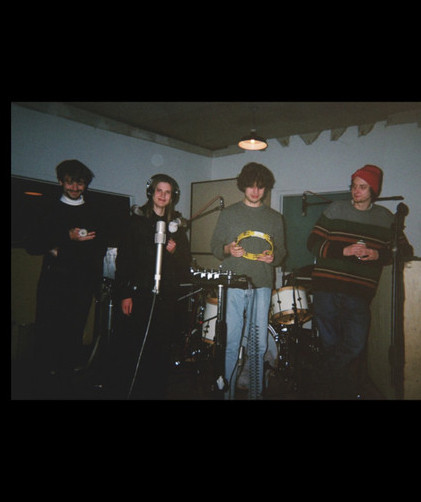
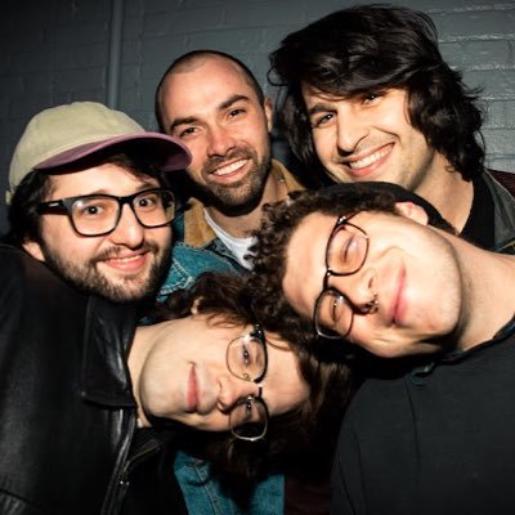
The Zells’ Spotify BioThe Zells are a five-piece rock band from Pittsburgh that consists of Jackson Rogers, Philip Kenbok, Frank DiNardo, Roman Benty, and Tyler Gallagher.
"The quintet’s sophomore LP, Ant Farm (out now on Crafted Sounds), is not just their best, most refined, transfixing, and emotionally seizing project yet, but a uniquely articulate statement about our generational plight. Twelve songs that capture the nihilistic bleakness of toiling in an era of historic social inequality while the very institutions we’re indebted to crumble into the dusty terrain of a world that's burning toward its apocalyptic conclusion.
The gang drafted a personal sheet of basement indie who’s who’s that doubles as a useful RIYL list. Adam Reich (Titus Andronicus), Jordyn Blakely (Smile Machine, Bartees Strange, Stove), Davey Jones (Lost Boy ?) and RJ Gordon (Baked, Titus Andronicus) make musical cameos, while Gordon engineered and mixed the whole shebang and Big Ups’ Amar Lal mastered it. The Zells have been and always… will be proudly lo-fi like their idols in Sebadoh and Guided By Voices, but the songs on Ant Farm sizzle, pop, thrash, and moisten the eyes in a way their previous recordings didn’t, and that's largely thanks to the sleeker, roomier production. Most crucially, it’s the elevated songwriting maneuvers that make Ant Farm feel like the album the band have spent the last half-decade working toward."
- Eli Enis, @eli_enis
Viberate is a music analytics platform built for A&Rs, artist managers, labels, booking agents, marketers, and artists.
It helps music professionals track artist growth, analyze audience data, monitor playlist activity, compare artists, follow song performance, and identify opportunities across the music market.
Public artist pages provide a free preview of selected artist data. Paid plans provide access to deeper analytics, historical data, charts, comparisons, playlist tools, exports, alerts, reports, and additional professional features.
Yes. Public Viberate artist pages provide selected artist analytics and music data for free.
Viberate also offers a 7-day free trial of the full platform. A credit card is required to start the trial. The trial includes access to the complete product so users can test deeper artist analytics, historical views, playlist insights, comparisons, charts, exports, alerts, and reporting features before choosing a paid plan.
Viberate provides artist analytics across streaming, playlists, social media, video, radio airplay, songs, and audience markets.
Users can analyze Spotify performance, Spotify and Apple Music playlists, YouTube activity, TikTok and Instagram growth, radio spins, song performance, audience locations, demographics, rankings, and overall artist momentum.
Artist profiles also connect to music charts, similar artists, and comparison tools, helping users benchmark performance and evaluate artists in context.
Viberate updates key artist and track data daily.
For followed artists and tracks, selected data is refreshed multiple times per day. This helps teams monitor playlist changes, streaming movement, audience growth, releases, and campaign performance with more current data.
Update frequency can vary depending on the metric and data source.
Yes. Viberate lets users compare up to five artists side by side across streaming, social media, audience, and engagement metrics.
Users can compare fanbase growth, audience demographics, locations, Spotify performance, social metrics, and other artist data over selected time periods.
Artist comparison can be used for A&R scouting, benchmarking, booking decisions, campaign planning, and evaluating artists with similar audiences or market positions.