The Workdogs

Rock
Indie Rock
Psychobilly
 Viberate Rank: 923481
 Viberate Rank: 923481
 Monthly ListenersFollowers
 Subscribers
 Followers
 Followers
 FansTop Spotify Songs
| Track | 7-Day Streams | |
|---|---|---|
1 | 8 | |
2 | 4 | |
3 | 4 | |
4 | 3 | |
5 | 3 |
Top YouTube VideosMonthly ListenersFeatured in Playlists| Playlist | Followers | |
|---|---|---|
1 | Dark Folk, Depressing Country, Southern Gothic, Aggressive Blues, Death Boogie, Dirt Stomp AnTi | 5.64K |
2 |  Hillbilly Murder Music Tim Walker | 4.95K |
3 |  LONDON NITE ロンドンナイト rizlezr | 1.93K |
Audience| City | Monthly Listeners | |
|---|---|---|
1 |  | 3 |
See full performance history, audience data, playlist activity, rankings, comparisons, and more in Viberate music analytics. Start with a free trial, then continue with a paid plan.
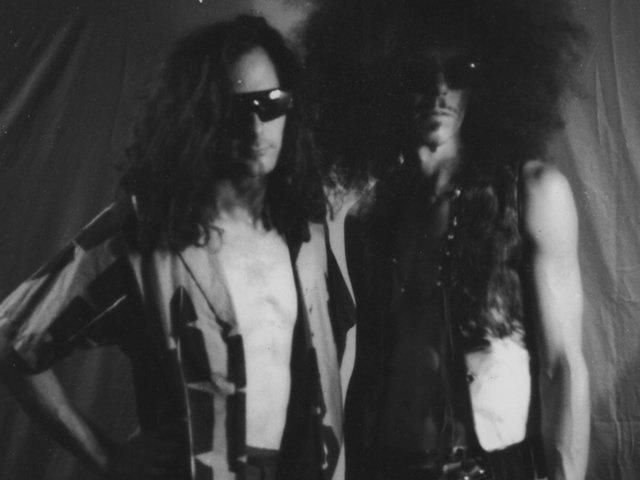
The Workdogs’ Spotify BioThe Workdogs consists of Rob Kennedy (bass, vocals) and Scott Jarvis (drums), who have provided the backbeat for Half Japanese, Velvet Monkeys, and a number of other bands over the years (Jarvis also produced and engineered the Beastie Boys' Pollywog Stew EP and served as their tour manager when they hooked up with Madonna's 1985 Like a Virgin tour). The only Workdogs' constant is change as they've operated under a different lineup for most every release and/or live performance. Jon Spencer (Pussy Galore, Jon Spencer Blues Explosion) and Jerry Teel (Honeymoon Killers, Chrome Cranks) have played with the duo so often, however, that they would almost qualify as permanent members. A variety of other New York and New Jersey-based indie rock and avant-jazz artists have joined in throughout their career to back them up on guitar, saxophone, and other instruments. The Workdogs' debut single, "Funny $," was released in 1986 on the band's own King Dog Biscuit label and featured Rudi Protrudi (t…he Fuzztones) and Mark Dagley (High Sheriff). Their debut full-length, the bluesy Roberta, was issued by Okra a couple of years later. In 1990, they released another 45, "Haunted House of Love" (Vital Music), featuring Bond Bergland and Malcolm Riviera (Gumball, Velvet Monkeys), and teamed up with Ohio's Gibson Brothers for the 18-wheeler hoedown Punk Rock Drivin' Song of a Gun. 1992 brought forth "Electric Mutt," a single on In the Red featuring Spencer and Teel. In 1993, they released self-described "blues opera," Workdogs in Hell, featuring Moe Tucker, Lydia Lunch, Jad Fair, J.G. "Foetus" Thirlwell, Gibson brother Jeffrey Evans, and underground filmmaker Richard Kern (in turn, Kennedy and Jarvis played in Tucker's road band). The next year, they signed up with Sympathy for the Record Industry for "A Tribute to Sonny Boy Williamson" with Spencer and Marcellus Hall (Railroad Jerk). Sympathy reissued Roberta (plus bonus track) in 1994, followed the next year by the surprisingly accessible Old (compared to previous efforts, at any rate). The album track "Robert Kennedy Blues" was also released as a single that year. One Night Only!, a live-in-the-studio release featuring Spencer and Teel, hit the streets in 1996. After that flurry of activity, the Workdogs went on recording hiatus, taking up a residency as house band at Max Fisch in New York City where, for several years, they would meet on the first Sunday of each month to jam with a variety of guitarists (over 24 different players in two years). ~ Kathleen C. Fennessy, Rovi
Viberate is a music analytics platform built for A&Rs, artist managers, labels, booking agents, marketers, and artists.
It helps music professionals track artist growth, analyze audience data, monitor playlist activity, compare artists, follow song performance, and identify opportunities across the music market.
Public artist pages provide a free preview of selected artist data. Paid plans provide access to deeper analytics, historical data, charts, comparisons, playlist tools, exports, alerts, reports, and additional professional features.
Yes. Public Viberate artist pages provide selected artist analytics and music data for free.
Viberate also offers a 7-day free trial of the full platform. A credit card is required to start the trial. The trial includes access to the complete product so users can test deeper artist analytics, historical views, playlist insights, comparisons, charts, exports, alerts, and reporting features before choosing a paid plan.
Viberate provides artist analytics across streaming, playlists, social media, video, radio airplay, songs, and audience markets.
Users can analyze Spotify performance, Spotify and Apple Music playlists, YouTube activity, TikTok and Instagram growth, radio spins, song performance, audience locations, demographics, rankings, and overall artist momentum.
Artist profiles also connect to music charts, similar artists, and comparison tools, helping users benchmark performance and evaluate artists in context.
Viberate updates key artist and track data daily.
For followed artists and tracks, selected data is refreshed multiple times per day. This helps teams monitor playlist changes, streaming movement, audience growth, releases, and campaign performance with more current data.
Update frequency can vary depending on the metric and data source.
Yes. Viberate lets users compare up to five artists side by side across streaming, social media, audience, and engagement metrics.
Users can compare fanbase growth, audience demographics, locations, Spotify performance, social metrics, and other artist data over selected time periods.
Artist comparison can be used for A&R scouting, benchmarking, booking decisions, campaign planning, and evaluating artists with similar audiences or market positions.