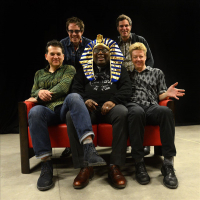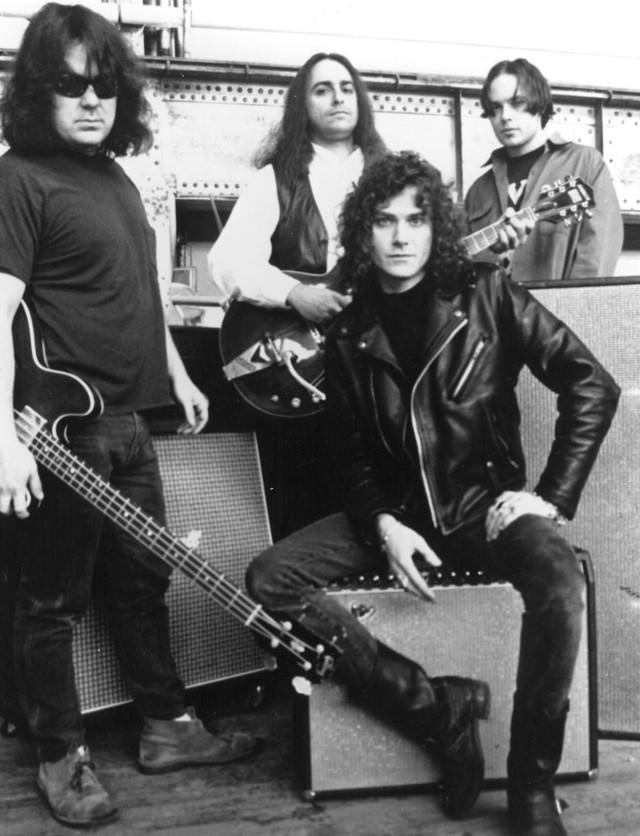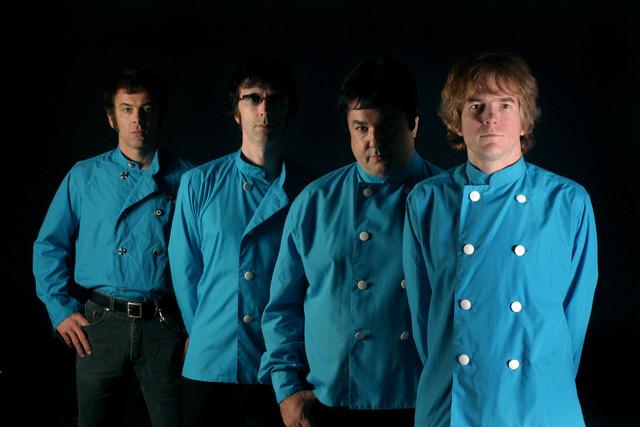
The Woggles

Rock
Pop Rock
Garage Rock
Indie Rock
 Viberate Rank: 288196
 Viberate Rank: 288196
 Monthly ListenersFollowers
 Subscribers
 Followers
 Followers
 FansTop Spotify Songs
| Track | 7-Day Streams | |
|---|---|---|
1 | 247 | |
2 | 236 | |
3 | 120 | |
4 | 66 | |
5 | 45 |
Top YouTube VideosMonthly ListenersFeatured in Playlists| Playlist | Followers | |
|---|---|---|
1 |  El Sótano de Radio 3 Groovyfamily | 9.84K |
2 |  WWOZ 90.7 FM (New Orleans Radio) Bryson Whitney | 6.48K |
3 | 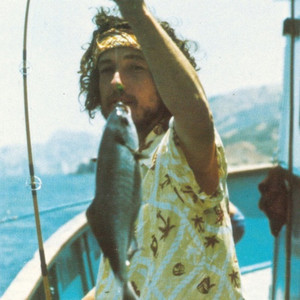 Reverberation Radio Allah-Las | 5.56K |
4 |  Garage, Surf, Punk & Rock and Roll Die Windrose | 3.55K |
5 |  60s style garage surf rock rhinoneal | 3.11K |
Audience| City | Monthly Listeners | |
|---|---|---|
1 |  | 108 |
2 | | 54 |
3 | | 38 |
4 | | 35 |
5 | | 30 |
See full performance history, audience data, playlist activity, rankings, comparisons, and more in Viberate music analytics. Start with a free trial, then continue with a paid plan.
The Woggles’ Spotify BioCult heroes whose hot-rodded blend of garage rock, surf music, rockabilly, and vintage R&B connects solidly both live and in the studio, the Woggles were one of the few bands that spanned the '80s garage rock revival into the 21st century with no loss of impact. The Woggles were formed in 1987 by lead singer the Mighty Manfred, also known as the Professor and called Manfred Jones by his parents. Taking their name from a line in the song "Wiggle Waggle Woo" by Sticks McGhee, the Woggles made their recording debut with Elvis Cadillac, a 7" vinyl EP released in 1990, and after a handful of singles, the Woggles partnered with Northwest garage rock label Estrus Records to issue their first full-length album, 1993's Teen Dance Party. The following year, Estrus dropped The Zontar Sessions, a collection of material from the band's early 7" releases. The Woggles had trouble holding on to a stable lineup in their early years, but by the time they released Get Tough! via Telstar Records in 1997,… the membership had stabilized, with the Mighty Manfred joined by Montague (aka George Montague Holton III) on guitar, Buzz Hagstrom (aka Patrick O'Connor) on bass, and Dan Electro (aka Dan Hall) on drums.
This edition of the band remained active until 2003, when guitarist Montague died as a result of complications of diabetes. Jeff Walls, the former guitarist with Guadalcanal Diary and Hillbilly Frankenstein who had produced several sessions for the Woggles, stepped in to take over on guitar, adopting the stage name Flesh Hammer. The group toured frequently both in the United States and abroad, earning a reputation as a blazing live act, and they documented their energetic on-stage spirit with the 2001 album Live! At the Star Bar. The group earned a valuable ally in Steven Van Zandt, guitarist with Bruce Springsteen's E Street Band who also hosts the syndicated radio show Little Steven's Underground Garage. Impressed with the Woggles' energy and songcraft, Van Zandt spun the group's discs regularly on his show, and later signed them to his Wicked Cool record label, releasing Rock and Roll Backlash in 2007. Tempo Tantrum followed in 2009, and The Big Beat was released in 2013. By this time, all four members of the Woggles lived in different cities, but they continued to reunite regularly for touring and recording sessions. In 2016 they convened in Athens with producer Jim Diamond to record Tally Ho!, which was issued by Wicked Cool in August 2017. ~ Mark Deming, Rovi
Viberate is a music analytics platform built for A&Rs, artist managers, labels, booking agents, marketers, and artists.
It helps music professionals track artist growth, analyze audience data, monitor playlist activity, compare artists, follow song performance, and identify opportunities across the music market.
Public artist pages provide a free preview of selected artist data. Paid plans provide access to deeper analytics, historical data, charts, comparisons, playlist tools, exports, alerts, reports, and additional professional features.
Yes. Public Viberate artist pages provide selected artist analytics and music data for free.
Viberate also offers a 7-day free trial of the full platform. A credit card is required to start the trial. The trial includes access to the complete product so users can test deeper artist analytics, historical views, playlist insights, comparisons, charts, exports, alerts, and reporting features before choosing a paid plan.
Viberate provides artist analytics across streaming, playlists, social media, video, radio airplay, songs, and audience markets.
Users can analyze Spotify performance, Spotify and Apple Music playlists, YouTube activity, TikTok and Instagram growth, radio spins, song performance, audience locations, demographics, rankings, and overall artist momentum.
Artist profiles also connect to music charts, similar artists, and comparison tools, helping users benchmark performance and evaluate artists in context.
Viberate updates key artist and track data daily.
For followed artists and tracks, selected data is refreshed multiple times per day. This helps teams monitor playlist changes, streaming movement, audience growth, releases, and campaign performance with more current data.
Update frequency can vary depending on the metric and data source.
Yes. Viberate lets users compare up to five artists side by side across streaming, social media, audience, and engagement metrics.
Users can compare fanbase growth, audience demographics, locations, Spotify performance, social metrics, and other artist data over selected time periods.
Artist comparison can be used for A&R scouting, benchmarking, booking decisions, campaign planning, and evaluating artists with similar audiences or market positions.