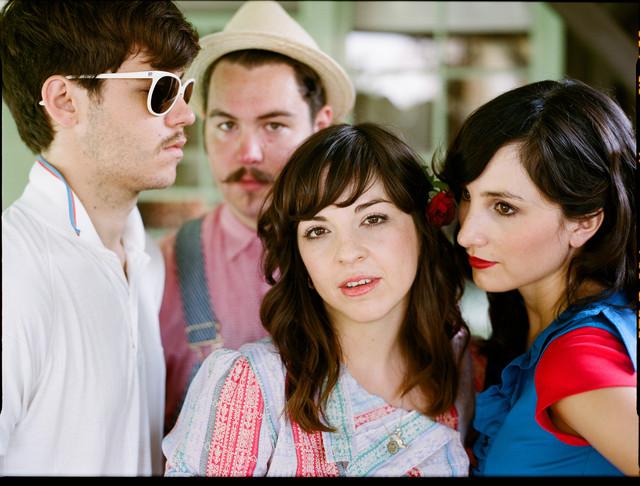
The Whispertown 2000

Pop
Indie Pop
Americana/Alt Country
 Viberate Rank: 583154
 Viberate Rank: 583154
 Monthly ListenersFollowers
 Subscribers
 Followers
 Followers
 FansTop Spotify Songs
| Track | 7-Day Streams | |
|---|---|---|
1 | 92 | |
2 | 20 | |
3 | 20 | |
4 | 16 | |
5 | 11 |
Top YouTube VideosMonthly ListenersFeatured in Playlists| Playlist | Followers | |
|---|---|---|
1 |  Flor de Pasión - Juan de Pablos Jose Manuel Sanjuan Fasanar | 1.42K |
2 |  I like FLOR DE PASIÓN de Juan De Pablos Groovyfamily | 1.12K |
Audience| City | Monthly Listeners | |
|---|---|---|
1 |  | 18 |
2 |  | 11 |
3 | | 6 |
4 | | 6 |
5 | | 6 |
See full performance history, audience data, playlist activity, rankings, comparisons, and more in Viberate music analytics. Start with a free trial, then continue with a paid plan.
The Whispertown 2000’s Spotify BioLed by vocalist, guitarist, and songwriter (not to mention former child actor) Morgan Nagler, the Whispertown 2000 (originally known by the name Vagtown 2000) was an indie rock band that started out as a solo vehicle but developed into a full-fledged band around 2004. Nagler was moved to write and perform by friend and Rilo Kiley member Blake Sennett, who helped -- along with Jenny Lewis -- Nagler on her path to musical notoriety. The original pairing (that is to say, Nagler and Tod Adrian Wisenbaker), under the aforementioned original name, played their first show as an opener to Sennett's side project the Elected, and soon began working off their own momentum, changing names and adding members. The new four-piece edition of the Whispertown 2000 hit the road, and eventually released an album, 2006's Livin' in a Dream, which included contributions from Jenny Lewis and Blake Sennett. 2008 would see the group build on their strong touring schedule with a new album, Swim. ~ Chris True,… Rovi
Viberate is a music analytics platform built for A&Rs, artist managers, labels, booking agents, marketers, and artists.
It helps music professionals track artist growth, analyze audience data, monitor playlist activity, compare artists, follow song performance, and identify opportunities across the music market.
Public artist pages provide a free preview of selected artist data. Paid plans provide access to deeper analytics, historical data, charts, comparisons, playlist tools, exports, alerts, reports, and additional professional features.
Yes. Public Viberate artist pages provide selected artist analytics and music data for free.
Viberate also offers a 7-day free trial of the full platform. A credit card is required to start the trial. The trial includes access to the complete product so users can test deeper artist analytics, historical views, playlist insights, comparisons, charts, exports, alerts, and reporting features before choosing a paid plan.
Viberate provides artist analytics across streaming, playlists, social media, video, radio airplay, songs, and audience markets.
Users can analyze Spotify performance, Spotify and Apple Music playlists, YouTube activity, TikTok and Instagram growth, radio spins, song performance, audience locations, demographics, rankings, and overall artist momentum.
Artist profiles also connect to music charts, similar artists, and comparison tools, helping users benchmark performance and evaluate artists in context.
Viberate updates key artist and track data daily.
For followed artists and tracks, selected data is refreshed multiple times per day. This helps teams monitor playlist changes, streaming movement, audience growth, releases, and campaign performance with more current data.
Update frequency can vary depending on the metric and data source.
Yes. Viberate lets users compare up to five artists side by side across streaming, social media, audience, and engagement metrics.
Users can compare fanbase growth, audience demographics, locations, Spotify performance, social metrics, and other artist data over selected time periods.
Artist comparison can be used for A&R scouting, benchmarking, booking decisions, campaign planning, and evaluating artists with similar audiences or market positions.