The Weak Days

Rock
Indie Rock
Pop Punk
 Viberate Rank: 665366
 Viberate Rank: 665366
 Monthly ListenersFollowers
 Subscribers
 Followers
 Followers
 FansTop Spotify Songs
| Track | 7-Day Streams | |
|---|---|---|
1 | 11 | |
2 | 11 | |
3 | 9 | |
4 | 3 | |
5 | 3 |
Top YouTube VideosMonthly ListenersFeatured in Playlists| Playlist | Followers | |
|---|---|---|
1 |  The Sound of Bubblegrunge The Sounds of Spotify | 10.52K |
2 |  indie // emo TEEJUS | 2.50K |
3 |  Official Riot Fest 2021 Playlist RIOT FEST | 2.20K |
4 | Emo Revival and Beyond Brandon Rupska | 1.39K |
5 |  internet fame mood TEEJUS | 1.27K |
Audience| City | Monthly Listeners | |
|---|---|---|
1 | | 4 |
2 | | 4 |
3 | | 4 |
4 | | 4 |
5 | | 3 |
See full performance history, audience data, playlist activity, rankings, comparisons, and more in Viberate music analytics. Start with a free trial, then continue with a paid plan.
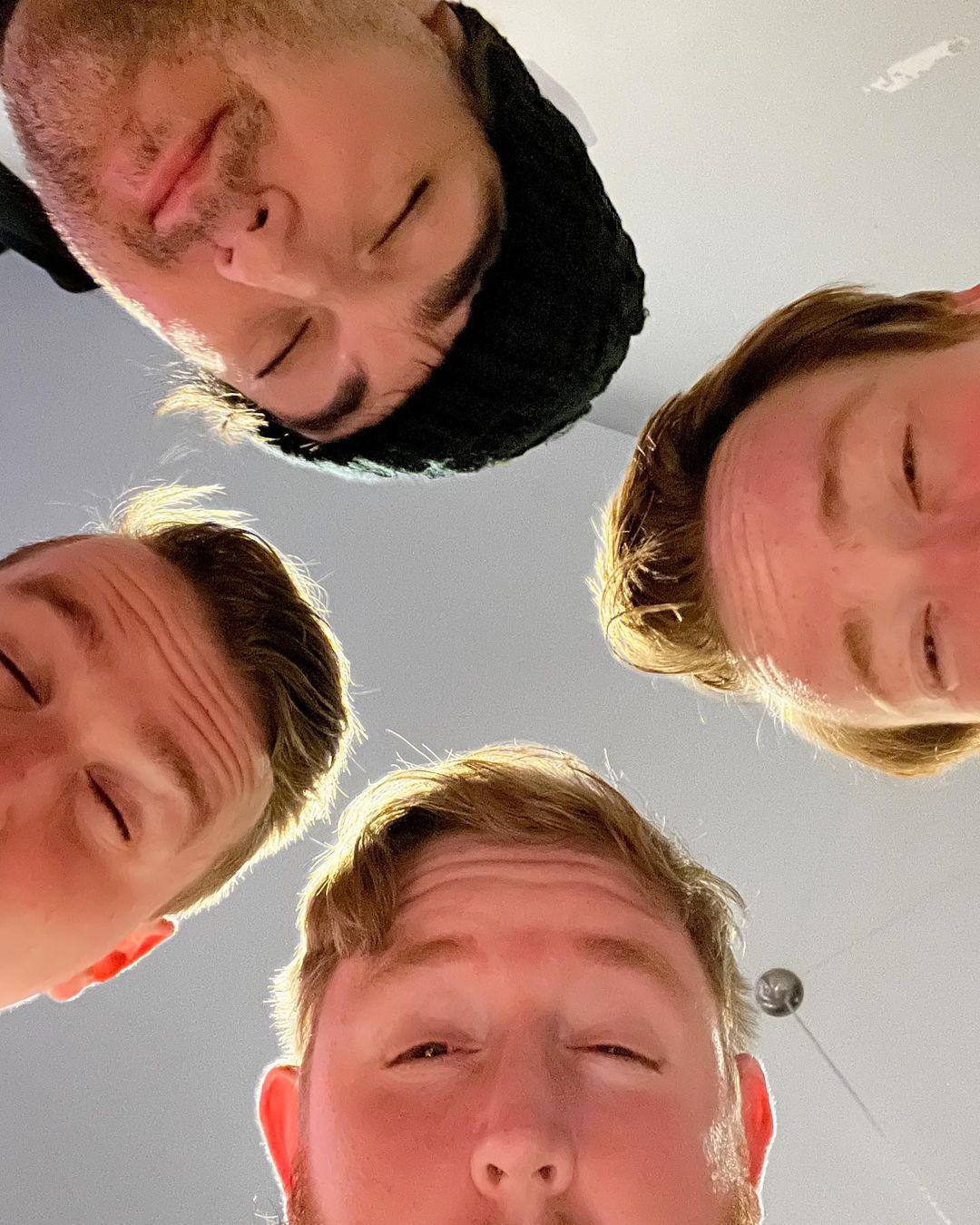
The Weak Days’ Spotify BioThe Magic’s Gone is the story of the Lamb and the Luminary, voiced by bassist RB Roe (also of Save Face, Get Tuff, ex-Jetty Bones) and guitarist Alex Ryan, respectively. “There are themes of mirrors, duality on this record,” Dustin says. “The idea that one thing can change to become something else.” The story is an otherworldly journey that takes cues from fantasy lit, the animated adventure series Over the Garden Wall, renaissance faires, and Dungeons & Dragons. With a musical backdrop that’s as theatrical as its subject matter, the Lansing, Michigan band take their Midwest emo roots into multi-layered chamber pop territory, with a rock band setup that’s fleshed out by synths, vibraphone, marimba, glockenspiel, horns, and gang vocals. It may come as no surprise that when Dustin and newer band member Willow LaForge (also of Lansing bands Grey Matter and Rent Strike) aren’t playing in DIY bands, they teach marching band.
Viberate is a music analytics platform built for A&Rs, artist managers, labels, booking agents, marketers, and artists.
It helps music professionals track artist growth, analyze audience data, monitor playlist activity, compare artists, follow song performance, and identify opportunities across the music market.
Public artist pages provide a free preview of selected artist data. Paid plans provide access to deeper analytics, historical data, charts, comparisons, playlist tools, exports, alerts, reports, and additional professional features.
Yes. Public Viberate artist pages provide selected artist analytics and music data for free.
Viberate also offers a 7-day free trial of the full platform. A credit card is required to start the trial. The trial includes access to the complete product so users can test deeper artist analytics, historical views, playlist insights, comparisons, charts, exports, alerts, and reporting features before choosing a paid plan.
Viberate provides artist analytics across streaming, playlists, social media, video, radio airplay, songs, and audience markets.
Users can analyze Spotify performance, Spotify and Apple Music playlists, YouTube activity, TikTok and Instagram growth, radio spins, song performance, audience locations, demographics, rankings, and overall artist momentum.
Artist profiles also connect to music charts, similar artists, and comparison tools, helping users benchmark performance and evaluate artists in context.
Viberate updates key artist and track data daily.
For followed artists and tracks, selected data is refreshed multiple times per day. This helps teams monitor playlist changes, streaming movement, audience growth, releases, and campaign performance with more current data.
Update frequency can vary depending on the metric and data source.
Yes. Viberate lets users compare up to five artists side by side across streaming, social media, audience, and engagement metrics.
Users can compare fanbase growth, audience demographics, locations, Spotify performance, social metrics, and other artist data over selected time periods.
Artist comparison can be used for A&R scouting, benchmarking, booking decisions, campaign planning, and evaluating artists with similar audiences or market positions.